How to Cook With Rhubarb


Learn how to cook with rhubarb, how to prepare it, whether you can eat it raw, and what delicious recipes you can make. I share everything you need to know about rhubarb and favorite ways to use this vibrant spring vegetable.
How to Cook With Rhubarb
As a nutrition consultant and chef, I wait for rhubarb season the way some people wait for concert tickets to drop. As soon as those bright, tart stalks show up at the farmers market, my brain starts plotting: compotes, spritzers, chia drinks, pies, sauces, even savory dishes. In my world, rhubarb is more than just a spring ingredient, it’s one of the great signals that the growing season is waking up again.
I grew up in Poland, where rhubarb (or rabarbar) made regular appearances in our kitchens. My grandma would lean out the window, hollering to us kids to stop eating the raw stalks straight from the garden like little sour-loving goblins. Of course, we kept eating them anyway, faces contorting in delight. To this day, that sharp tang takes me right back to warm afternoons, stained fingers, and the kind of freedom every child should have.
Rhubarb is wildly nostalgic for me, but it’s also one of the most versatile, underrated ingredients you can cook with. So let’s dive into everything you need to know: how to prep it, whether it’s safe to eat raw, what to make with it, and how to make this beautiful, sour vegetable shine in your kitchen.
Is All Rhubarb Edible?
Short answer: the stalks, yes. The leaves, absolutely not.
Rhubarb leaves contain naturally occurring compounds that are toxic in large amounts, so they should never be eaten. The good news is that the stalks, the part we all love, are perfectly safe and wonderfully delicious.
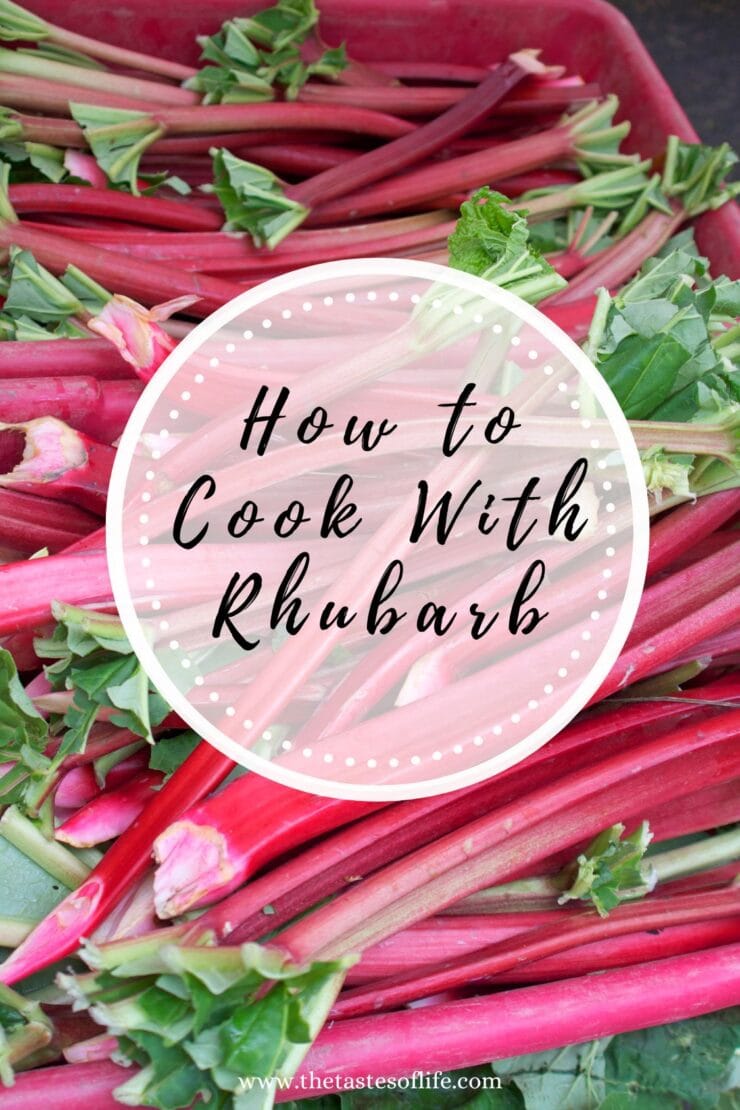
If you see rhubarb at a farmers market with the leaves still attached, that’s great. It means it’s fresh. Just trim the leaves and discard them. If you grow rhubarb at home, same rule applies: always remove the leaves before cooking or snacking.

How to Prepare Rhubarb for Cooking
Preparing rhubarb is incredibly simple. Here’s how I do it in my kitchen:
- Remove the leaves immediately.
- Trim the ends if they look dry.
- Give the stalks a good rinse.
- Slice them into pieces, large or small, depending on what you’re making.
If the stalks are very thick and mature, you might see tough strings when you cut into them. You can peel those off just like you would with celery, but most of the time you won’t have to.
Fresh rhubarb should be crisp and juicy. If it bends like a yoga teacher, it’s probably past its prime, but still decent for compotes or sauces.
Can I Eat Raw Rhubarb?
Yes… if you enjoy a sour punch that could wake up a sleeping giant.
As a kid, I ate raw rhubarb all the time. We’d dip it into sugar to soften the blow, because let’s be honest, raw rhubarb is tart enough to make your eyebrows pack their bags and leave your forehead.
It’s safe, and it’s delicious in that puckery, refreshing way. But most people prefer it cooked because cooking softens the sourness and coaxes out its natural flavor.
How to Cook Rhubarb
Cooking rhubarb is wonderfully forgiving. No matter what, it nearly always turns into something delicious.
Want to save this recipe?
Here are the most common and easiest ways to cook it:
Stewing (for sauces or compote): This is the classic. You simmer chopped rhubarb with a sweetener and water until it breaks down into a jammy sauce. This becomes the base for everything: yogurt topping, parfaits, pancakes, drinks, and even spoon-eating therapy sessions.
Roasting: Roasting keeps the shape of the stalks intact, creating a stunning ruby-colored side dish or dessert topping. It concentrates the flavor and adds a caramelized sweetness. Perfect for desserts.
Poaching: If you like delicate, soft pieces that still hold shape, poaching rhubarb in a lightly sweetened liquid is the way to go.
Baking: From crisps to pies to galettes, rhubarb was born for baking. It melts into sweet-tart ribbons that beautifully balance richness.
Adding to savory dishes: Yes, rhubarb plays well outside the dessert world. You can cook it into a chutney for roasted meats, make a savory rhubarb sauce with spices, blend it into dressings, or add it to sauces that need brightness.

What to Make With Rhubarb
Oh, the possibilities. If spring had a flavor, it would be rhubarb in one of these recipes:
- Rhubarb compote
- Rhubarb strawberry spritzer
- Rhubarb syrup
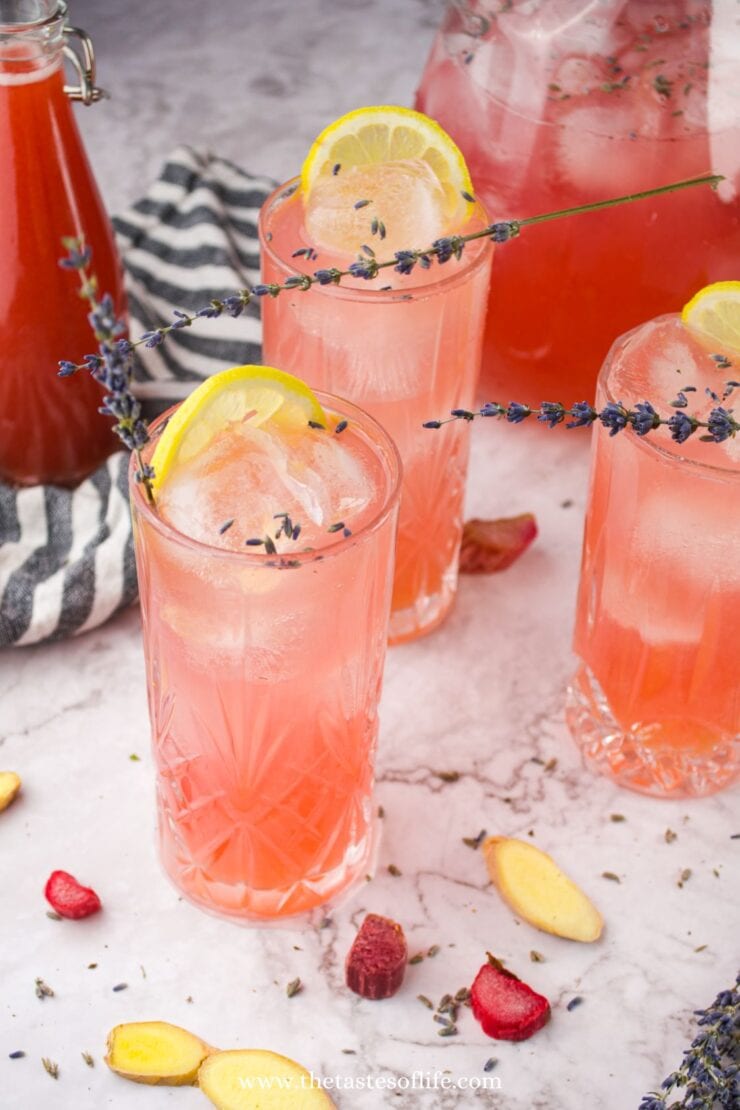
- Rhubarb lavender lemonade
- Rhubarb fermented soda
- Rhubarb crisp or crumble
- Rhubarb lavender hibiscus cooler
- Roasted rhubarb for yogurt or oatmeal
- Rhubarb chia jam
- Rhubarb salsa for grilled salmon or chicken
- Rhubarb strawberry cake
- Rhubarb curd
- Rhubarb cake
- Rhubarb pannacotta
- Rhubarb margarita (trust me, this is elite)
- Rhubarb soup (very Polish, very old-school)
I’ve also blended rhubarb into smoothies for a tart kick, or simmered it into dressings for a bright, fruity acidity.
And let’s not forget that classic Polish summer dessert: ciasto drożdżowe with rhubarb on top, sprinkled with sugar!
A Few More Things Worth Knowing About Rhubarb
Is rhubarb a fruit or vegetable?
It’s technically a vegetable, but we treat it like a fruit because it behaves like one in cooking. It’s the rebellious teenager of the produce world.
Does rhubarb need to be peeled?
Usually no. Only peel if the stalks are thick and fibrous.
Does rhubarb freeze well?
It freezes like a dream. Chop it, freeze it on a tray, then stash it in a bag for year-round rhubarb happiness.
My Forever Spring Ingredient
Every spring when I see rhubarb, I feel like that little Polish kid again, running barefoot through the grass, sneaking raw stalks from the garden, and getting the lecture about not eating the leaves for the hundredth time.
Rhubarb is bold, unapologetic, and beautifully old-fashioned. It anchors childhood memories while inspiring fresh, modern cooking. And once you start playing with it, I promise, you’ll never look at spring the same way again.
If you ever need rhubarb recipe ideas or want help building a full seasonal menu, I’m just a message away.
Love My Content? Buy Me a Coffee!
Creating these resources for you is my passion, and I love hearing how they’ve helped you on your health journey. If you appreciate my content and want to support my work, you can buy me a coffee to help fuel more tips, recipes, and inspiration. Every little bit means the world to me!