Best Herbs And Spices For Spring Cooking


Fresh, vibrant, and full of flavor, discover the best fresh herbs and spices for spring cooking and how to use them to bring lightness and energy back to your meals.
Fresh Herbs and Spices That Make Spring Cooking Come Alive
Spring cooking for me is a total reset. Don’t get me wrong, everything about winter cooking is comfy, creamy, full of soups, stews, and everything roasted, which I love! But when February hits, and Imbolc comes almost immediately, my body craves lighter food, and my palate starts craving freshness, greens, citrus, herbs, and flavors that feel awake. This is the season when food stops feeling heavy and starts feeling alive again. To illustrate this seasonal shift, consider transforming a cozy winter stew into a vibrant spring broth. By using the same base ingredients, such as carrots, potatoes, and leeks, you can substitute heavy cream with a light vegetable broth and add herbs like parsley and mint for freshness. This not only lightens the dish but embodies the essence of spring. The right herbs and spices can completely transform simple spring ingredients into something exciting without doing much at all. Each season is different and exciting, including spring. Learning how to eat according to the season and utilize seasonal vegetables is an ancient way of life. More about how to cook with herbs and spices here.
As a chef and nutrition consultant, I always see spring as a transition season, not just in the kitchen, but in the body too. We naturally want lighter meals, more raw or gently cooked foods, and flavors that feel clean and energizing. This shift resonates with our body’s wisdom, as lighter, raw foods can support a healthy microbiome, playing a crucial role in our overall health. Spring’s natural detox rhythm invites us to trust our cravings for freshness and renewal. Of course, naturally fresh herbs and certain spices support that shift beautifully. They add brightness, aroma, and complexity without needing heavy sauces or soups or long cooking times.
Fresh Herbs That Shine in Spring
Parsley
Parsley is wildly underrated. In spring, I use it less as a garnish and more like a green. Parsley adds freshness and lightness, making it perfect for spring salads, simple fish, potatoes, and egg dishes. Flat-leaf parsley especially has this clean, grassy quality that wakes everything up.
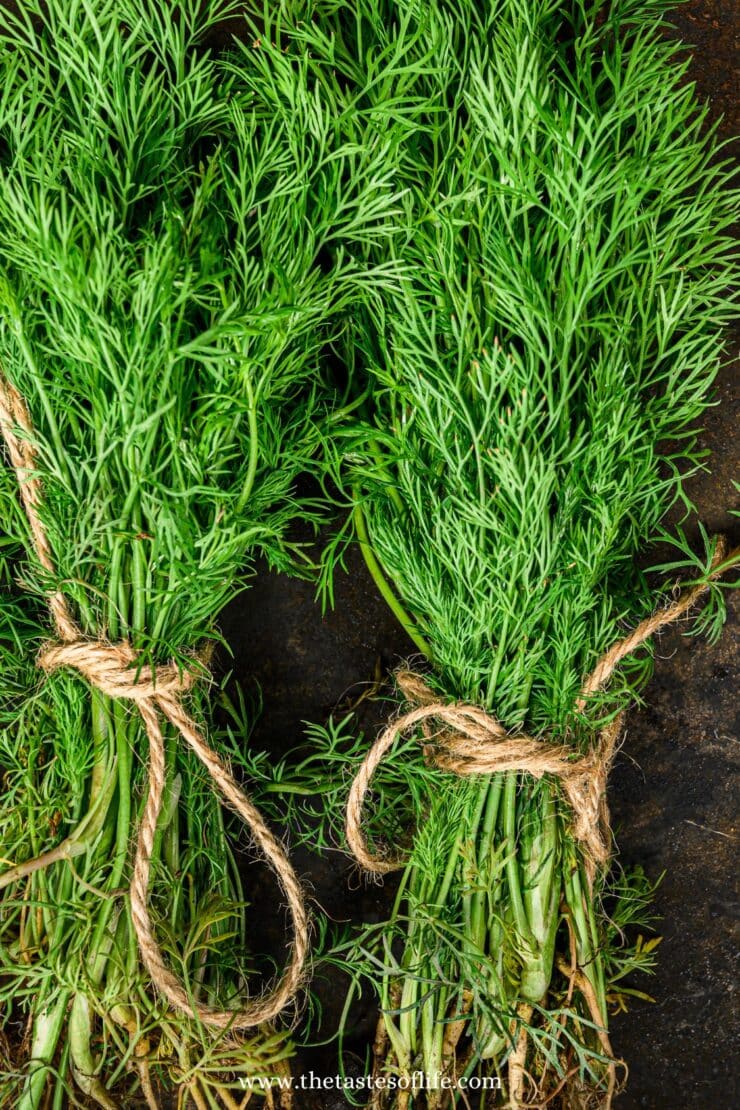
Dill
Dill screams spring to me. It’s delicate, slightly sweet, and instantly fresh. In Poland, we love dill; it is like a national herb! We use it with eggs, cucumbers, radish, salmon, cod, potatoes, and yogurt-based sauces. Dill brings a lightness that feels perfect after winter, and a little goes a long way, just enough to perfume a dish without taking over.
Chives
Chives are one of the first herbs to pop up in spring gardens, and they taste like the gentlest version of onion. They’re amazing when you want a subtle onion flavor. nd want to keep the dish on a lighter side. I sprinkle them over scrambled eggs, soups, roasted spring vegetables, and even cottage cheese or labneh.
Mint
Mint isn’t just for drinks. Mint is perfect for spring cooking bceause it adds brightness and contrast, especially with peas, spring onions, leek, lamb, or citrusy salads. Mint has this cooling quality that feels incredibly refreshing as the weather starts to warm up.
Cilantro
If you’re a cilantro lover, spring is your moment. It pairs beautifully with lime, avocado, radishes, spring onions, and lighter proteins. I love how it brings a fresh, almost citrusy punch that makes food feel vibrant and modern. However, if cilantro isn’t your favorite, try swapping in parsley and enjoy the difference. Embrace the playful side of cooking by experimenting with these herbs, appreciating taste diversity and fostering a sense of culinary exploration.
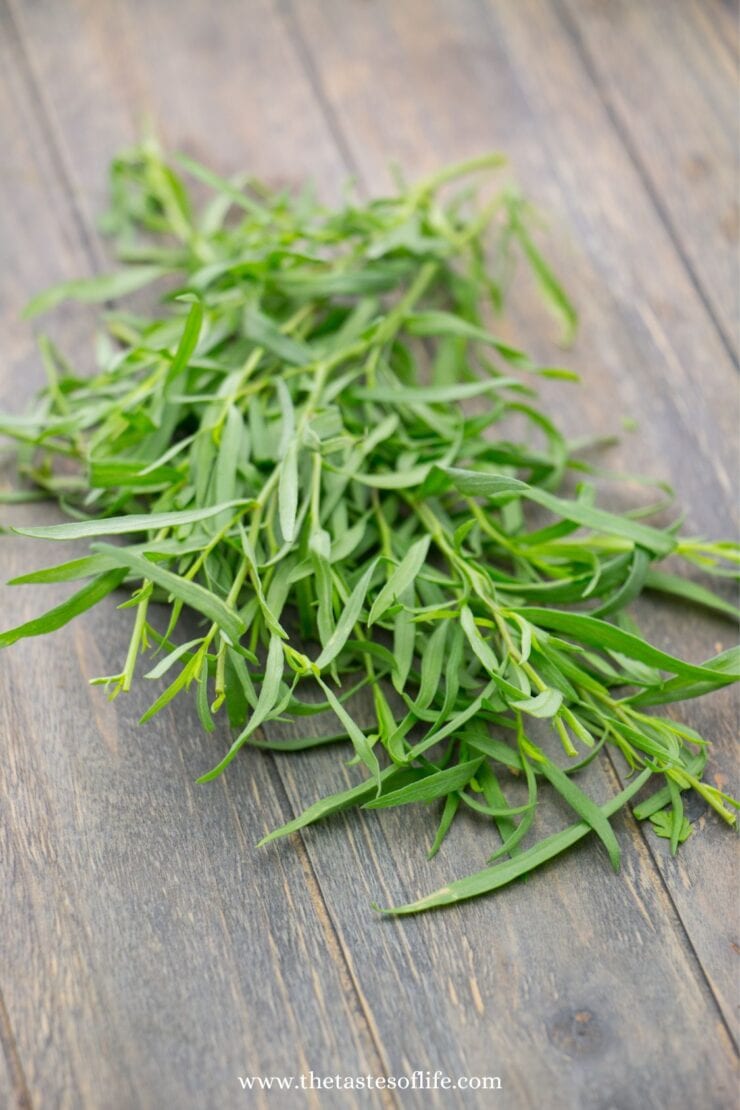
Tarragon
Tarragon is a versatile herb that is delicate, slightly anise-like, and very spring-appropriate. It’s incredible with chicken, eggs, fennel, asparagus, and creamy sauces that you want to keep light. This is one of those herbs that instantly makes a dish feel a little more elegant.

Spices That Feel Right for Spring
Spring spices are less about heat and more about warmth, citrusy notes, and gentle stimulation.
Coriander Seed
Want to save this recipe?
Coriander seed has a subtle citrus flavor that is perfect for spring vegetables and lighter soups. It adds depth to your dish but still keeps it light. I use it with peas, light spring coconut curries, spring-roasted vegetables, or fish.
Fennel Seed
Light, slightly sweet, and aromatic, fennel seed is perfect for spring cooking. I love it with fish, chicken, greens, and roasted vegetables. To amplify its natural sweetness and aroma, consider toasting fennel seeds until they are fragrant. This quick blooming technique helps control flavor precisely, giving your dishes that “something special” flavor without overwhelming delicate ingredients.
Cardamom
Oh, who doesn’t like cradamon? What I like about cardamom is that it has a floral, fresh quality, making it ideal for spring baking, syrups, and even savory dishes. A pinch in rice, compotes, or yogurt-based sauces adds brightness and complexity.
Ginger
Fresh ginger is especially lovely in spring. It adds warmth and works well in brothy soups, stir-fries, dressings, light curries, smoothies, juices, and teas. It helps bridge the gap between winter comfort and spring freshness.
Turmeric
Turmeric brings earthiness and color, which feels grounding during seasonal transitions. In spring, I use it more lightly, paired with lemon, ginger, or fresh herbs to keep dishes bright rather than heavy.
How I Like to Use Herbs and Spices in Spring
- Do not overcook herbs.
- Add most fresh herbs at the end of cooking or use them raw to preserve their flavor and aroma.
- Think quick sautés, simple dressings, herby sauces, and finishing touches rather than long simmers.
- Be creative and mix fresh herbs together, parsley with dill, mint with cilantro, chives with tarragon. Layering herbs creates depth without relying on heavy fats or sauces. It’s one of the easiest ways to make food taste exciting and seasonal.
How Should I Store Fresh Herbs to Keep Them Vibrant and Last Longer?
Treat fresh herbs like little bouquets; they’re alive and thirsty. For tender herbs like parsley, cilantro, dill, and mint, trim the stems and place them in a jar with a bit of water, loosely cover with a reusable bag, and store in the fridge (change the water every couple of days). For sturdier herbs like rosemary, thyme, and sage, wrap them gently in a slightly damp paper towel and keep them in a container or bag in the fridge. And whatever you do, don’t wash them until you’re ready to use them, too much moisture too soon and the herbs are dead.
How Much of Each Herb or Spice Should I Use to Avoid Overpowering a Dish?
Spring herbs and spices remind us that food doesn’t need to be complicated to be delicious. A handful of fresh herbs, a pinch of the right spice, and good ingredients are often enough. This is the season to let flavors be light, fresh, and expressive, just as the shift outside is. So why not pick one herb tonight, perhaps a sprig of parsley or a dash of dill, and see how it transforms your dinner? Embrace this simple act of culinary exploration and enjoy the freshness that spring brings to your table.
More Kitchen Hacks
How to Use Herb Salt in Your Favorite Dishes
What Role Does the Acid Play in Flavor Balance?
How to Balance and Maximize Flavors When Cooking
Which is Better? Dried or Fresh Herbs for Cooking?
Love My Content? Buy Me a Coffee!
Creating these resources for you is my passion, and I love hearing how they’ve helped you on your health journey. If you appreciate my content and want to support my work, you can buy me a coffee to help fuel more tips, recipes, and inspiration. Every little bit means the world to me!