Fennel Culinary Uses


Learn about fennel culinary uses, health benefits, and how to cook it, from fennel bulbs to fennel seeds, plus the cuisines that love it most.

Fennel Culinary Uses
As a chef and nutrition consultant, I love working with ingredients that are both flavorful and functional, and fennel checks both boxes beautifully. It brings brightness and subtle sweetness to a dish while naturally supporting digestion and gut health, something many of my clients struggle with. I often use it when I want to create unique meals with a deep flavor profile. Fennel has this way of making simple food taste intentional, without adding heaviness. It’s the kind of vegetable that helps you cook smarter, not harder.
What Is Fennel? (And How to Cook It)
Fennel is one of those vegetables that looks mysterious. Slightly fancy. It could be intimidating. But once you understand fennel, it becomes one of the most versatile, flavorful, and surprisingly healing vegetables in your kitchen.
Let’s demystify this underrated veggie.
What is the Flavor of Fennel?
The flavor of fennel is fresh, lightly sweet, and gently aromatic with a soft anise note. Not the aggressive black-licorice punch people fear. It is bright that help lifts a dish instead of overpowering it. When raw, it’s crisp and juicy with a clean snap. When sautéed, it turns mellow and silky. And when roasted, it transforms completely, the natural sugars caramelize, the edges turn golden, and that subtle licorice note softens into something almost buttery and slightly nutty. It’s culinary shape-shifting at its finest.
Fennel 101: What Exactly Is It?
- The white bulb (crisp and slightly sweet)
- The stalks (similar to celery)
- The feathery fronds (herby and delicate)
- The seeds (aromatic and bold)
The bulb has a subtle licorice or anise-like flavor. Not overpowering, more like a gentle whisper of sweetness that mellows beautifully when cooked.
And no, it won’t make your food taste like black jelly beans. I promise.

Where Does Fennel Come From?
Fennel originates in the Mediterranean region and has been used for thousands of years in both cooking and traditional medicine. The ancient Greeks and Romans prized it not only for its flavor but also for its vitality and digestive properties.
Today, fennel is grown widely in:
- Italy
- France
- Spain
- India
- Parts of California
It thrives in cooler seasons, making it a fall, winter, and early spring vegetable in most regions of the U.S.
What is Fennel Role in Cooking?
- It becomes sweet and caramelized when roasted
- It adds crisp freshness when eaten raw
- It pairs beautifully with citrus, olive oil, fish, chicken, and root vegetables
- It makes soups taste layered and complex
Health Benefits of Fennel
Fennel supports digestion and has long been used to ease bloating and gas. In many cultures, people chew fennel seeds after meals to support digestion. It is also anti-inflammatory, with many antioxidants that reduce inflammation. Rich in fiber that supports gut health and stable blood sugar.

Fennel Seeds: A Whole Different Flavor Story
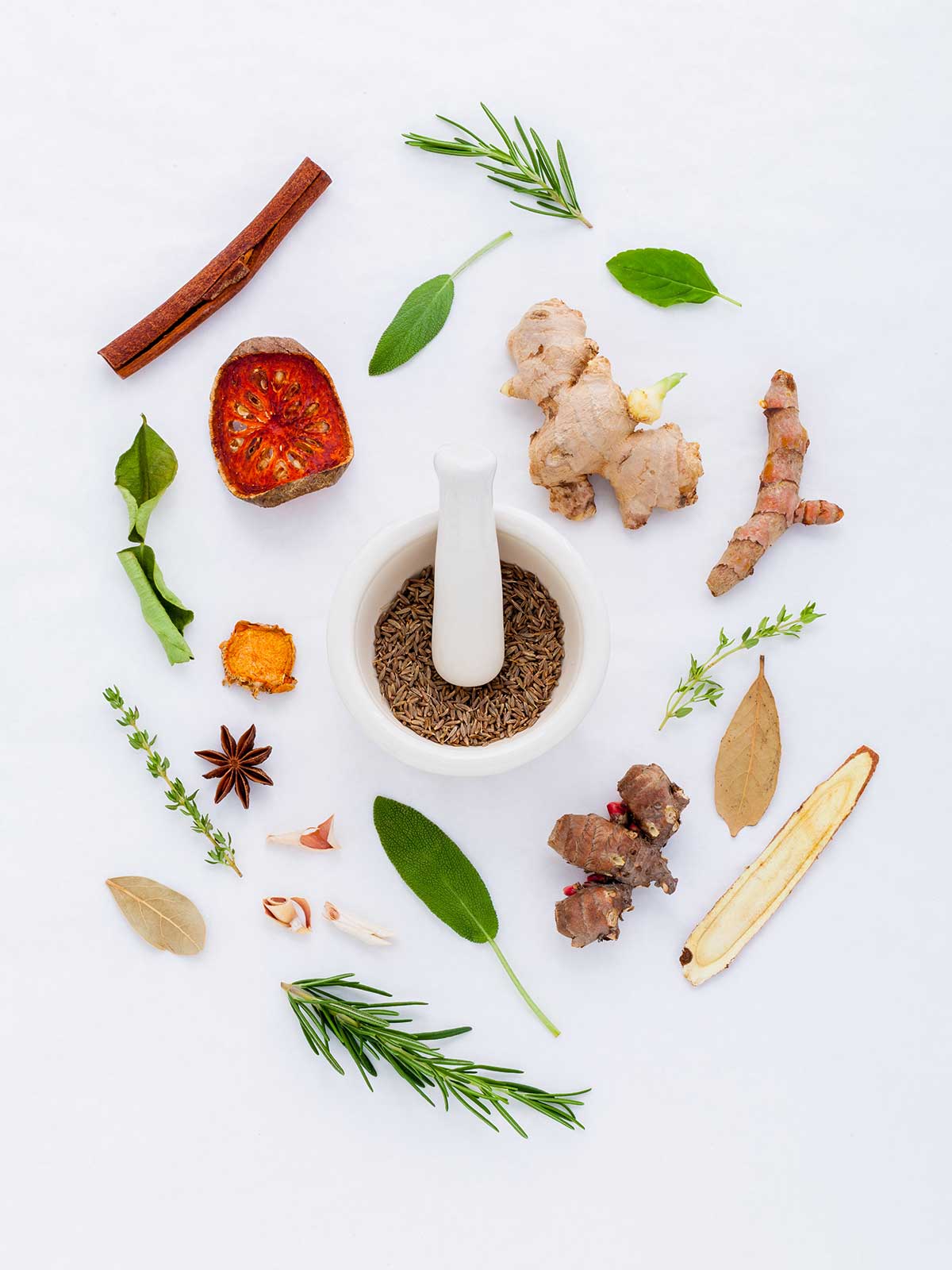
Fennel seeds are more flavorful than the bulb. They’re sweet, aromatic, and slightly spicy. It is one of my favorite spices to use because it adds so much flavor.
You’ll find fennel seeds commonly used in:
- Italian sausage
- Indian curries
- Spice blends
- Teas
- Pickled vegetables
- Bread
In Indian cuisine, fennel seeds are often toasted to release their oils and deepen their flavor. In Italian cooking, they’re classic in sausage and tomato-based sauces.
They also make a simple digestive tea, just steep crushed seeds in hot water.
How to Cook it?
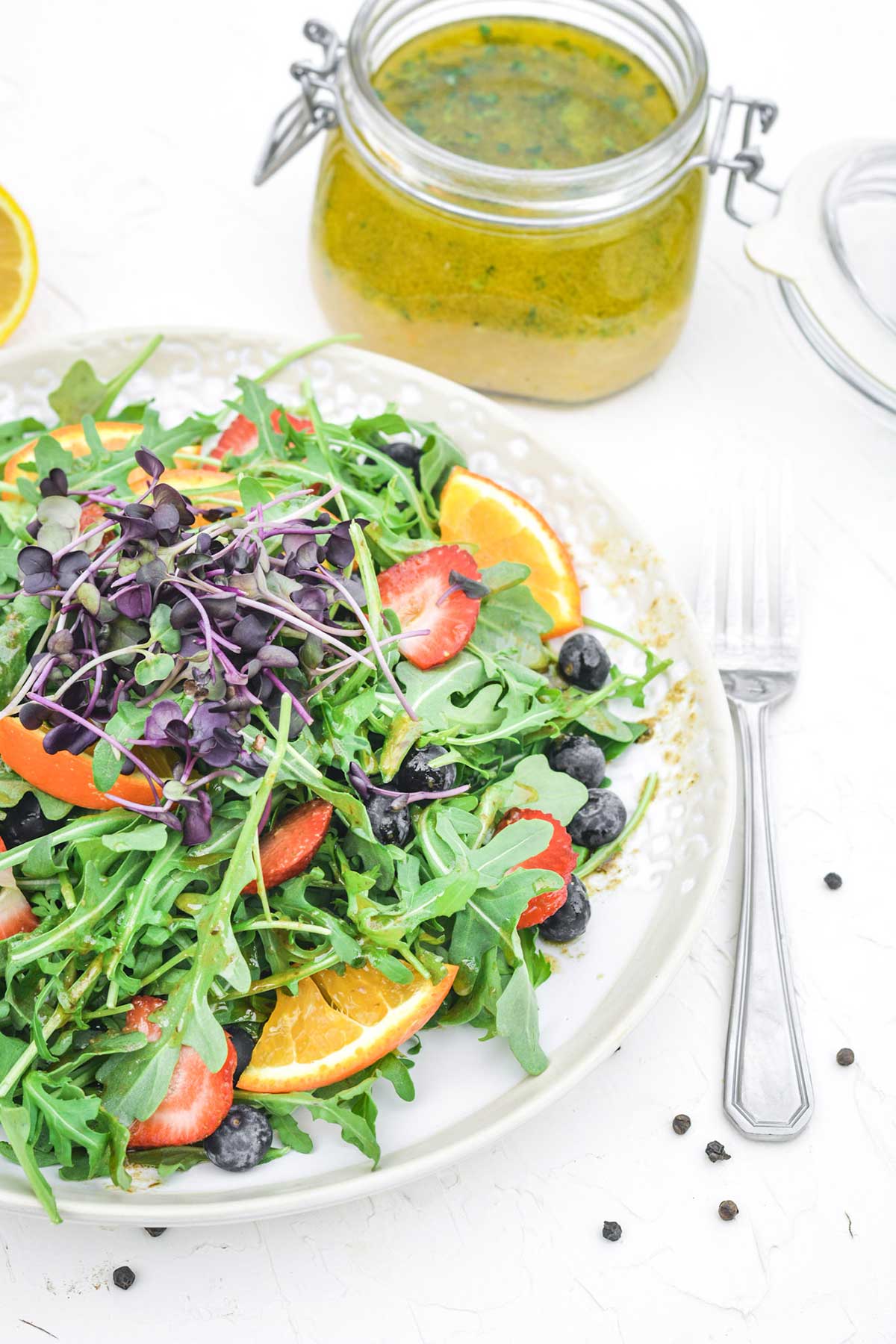
Salads
Slice it very thin (a mandoline works beautifully). Toss with:
- Lemon juice
- Olive oil
- Salt
- Shaved parmesan
Add arugula or oranges for brightness. It’s crisp, refreshing, and slightly sweet.
Want to save this recipe?
Roast It
Cut the bulb into wedges. Drizzle with olive oil, salt, and pepper. Roast at 400°F until caramelized and golden.
Roasting transforms fennel. The licorice flavor softens, and natural sugars come forward.
Pair it with:
- Roast chicken
- Salmon
- Pork tenderloin
Braise It
Sauté wedges in olive oil, then add broth and cook gently until tender. Finish with fresh herbs.
This is elegant but secretly very simple.
Grill It
Brush with olive oil and grill until lightly charred. The smoky sweetness is next-level.
Add It to Soups
Dice it and sauté it with onions as a base for soups. It adds subtle depth without overpowering.
It works beautifully in:
- Tomato soups
- Fennel soup
- Seafood chowders
- Creamy vegetable soups

Sweet pea, fennel, and asparagus soup
Fennel Fronds: Don’t Throw Them Away
Seasonal Spotlight
Fennel is at its best in:
- Late fall
- Winter
- Early spring
Look for bulbs that are firm, white, and free from browning. Smaller bulbs tend to be more tender.
It’s a perfect vegetable for colder months when you want something fresh but still grounding.
Dishes That Shine with Fennel
- Roasted fennel and orange salad
- Fennel and apple slaw
- Italian sausage with fennel
- Fennel and white bean soup
- Grilled fennel with lemon
- Braised fennel with herbs
- Seafood stew with fennel
It pairs especially well with citrus, garlic, olive oil, seafood, and creamy cheeses.
Fennel is one of those vegetables that feels slightly “chef-y,” but in reality, it’s incredibly accessible. Once you cook it once or twice, it becomes part of your regular rotation.
It’s crisp when raw. Silky when braised. Sweet when roasted. Aromatic in seed form.
And perhaps most importantly, it brings something unique to the table without trying too hard.
So next time you see that pale bulb with the wild green hair? Take it home. Slice it. Roast it. Let it surprise you.
Your taste buds (and your digestion) will thank you.
Love My Content? Buy Me a Coffee!
Creating these resources for you is my passion, and I love hearing how they’ve helped you on your health journey. If you appreciate my content and want to support my work, you can buy me a coffee to help fuel more tips, recipes, and inspiration. Every little bit means the world to me!