The Ultimate Guide To Edible Flowers For Cooking

The ultimate guide to edible flowers for cooking and drinks, what they are, why they matter, and how to use 35 of the most delicious, widely available blooms in your kitchen.
A Guide to Edible Flowers for Drinks and Cooking
Edible flowers are an easy way to add flavor, color, and a seasonal touch to your food. They’re not just decorative; many have distinct tastes, from citrusy and sweet to peppery and herbal.
I use edible flowers in my kitchen the same way I use fresh herbs, intentionally, and always for flavor first.
In the spring and summer, they’re usually the first thing I reach for when I want to wake up a dish. A few borage flowers in a salad, lilac-infused vinegar, and chamomile steeped into something warm and soothing at the end of the day. It’s not about decoration, it’s about adding a fresh, unexpected layer that you can’t quite get from anything else.
As a chef, I also love how naturally they fit into seasonal cooking. Over time, it becomes second nature. You start seeing flowers not as something separate from food, but as part of the kitchen, another ingredient, just a little more expressive.
They can brighten a dish, add contrast, or bring a subtle layer of flavor that makes something feel more complete.
Once you know which flowers are edible and how they taste, it’s very easy to start using them in drinks, salads, desserts, and savory dishes.
People have been using flowers for cooking for centuries. I still remember Polish meadows full of flowers in the late spring and summer. Such an abundance of flavors and fun in teh kitchen.
Let’s fix that!
What Are Edible Flowers?
Edible flowers are exactly what they sound like: blossoms that are safe to eat and often used to enhance flavor, aroma, and beauty in food and drinks.
Not all flowers are edible! Some are toxic, some are just… unpleasant (like chewing on perfume). The edible ones, though, bring complexity you can’t replicate with anything else. Think of them as herbs with a softer voice, or sometimes a wildly dramatic one.
Why Cook With Flowers?
Because they transform food from something you eat into something you experience.
- They add delicate, layered flavors, floral, citrusy, spicy, and herbal
- They make simple dishes look stunning
- They connect you to the seasons (you can’t rush a bloom)
- They turn drinks into something almost ceremonial
How To Use Edible Flowers
You need to be curious.
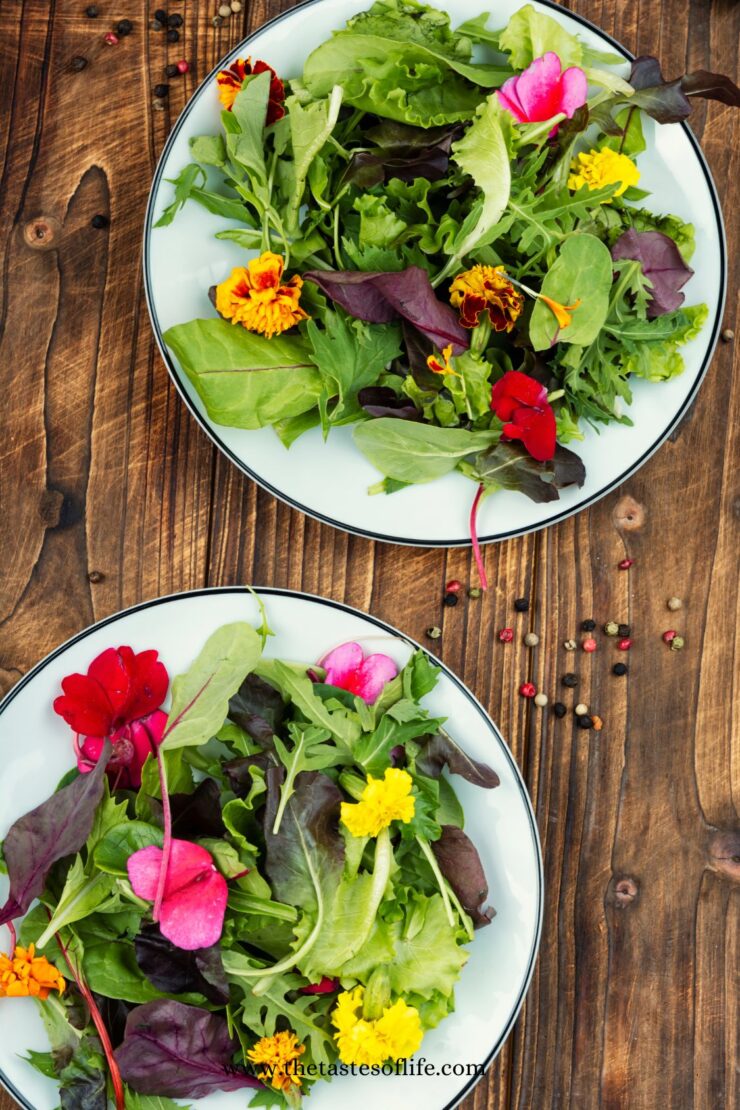
- Toss fresh petals into salads
- Infuse them into honey, vinegar, or simple syrups
- Freeze them into ice cubes for drinks
- Fold into batters for cakes, pancakes, or cookies
- Sprinkle over yogurt, oatmeal, or desserts
- Steep into teas or botanical cocktails
Where to Get Edible Flowers
The best place to find edible flowers is at local farmers markets. During spring and summer, many growers sell fresh blooms like nasturtiums, calendula, violas, and squash blossoms, grown specifically for culinary use.
You can also look for small, local flower farms. Many grow organic or low-spray flowers and will offer edible varieties, especially if you ask or order in advance.
Specialty online farms are a great option if you want specific flowers or need a steady supply. They often sell both fresh and dried edible flowers.
Some higher-end grocery stores carry edible flowers near the fresh herbs, but availability can be inconsistent. Always make sure they’re labeled as edible.
If you want the most reliable source, grow your own. Flowers like nasturtiums, borage, pansies, and chive blossoms are easy to grow and produce generously.
One important rule: never use flowers from florists or roadsides, they’re not food-safe.
How to Prepare Edible Flowers
Edible flowers are at their best when freshly picked. If you can, harvest them early in the morning; this is when their flavor is most vibrant and hasn’t been dulled by the sun.
If you’re not using them right away, store them in the fridge in a dry container and use them within a few days. They’re delicate and don’t like to sit around too long.
To clean them, gently dip the flowers in a bowl of cold water and give them a light shake. This helps remove any dust or tiny insects without damaging the petals. Let them dry fully on a towel before using.
For most flowers, the petals are the best part. Remove the base of the petal, as it can taste bitter, and for larger flowers, discard the inner parts like the stamens and pistil. Smaller flowers like pansies can be used whole.
If you want a more decorative touch, you can crystallize flowers by brushing them lightly with egg white, coating them with sugar, and letting them dry. They turn into delicate, crunchy garnishes.
One last thing,m store them properly. Keep flowers in the fridge, loosely wrapped in a dry container, and use them within a couple of days. They’re fragile and meant to be enjoyed fresh.
Handle them gently, use them thoughtfully, and they’ll bring both flavor and a little bit of surprise to whatever you’re making.
What flowers to avoid
If you’re ever unsure whether a flower is edible, skip it. That’s the simplest and safest rule. And if you have pollen allergies, edible flowers may not be the best choice.
A few important things to keep in mind:
Avoid using flowers that look tired, faded, dusty, or discolored. Don’t harvest anything growing near roadsides, paths with heavy foot traffic, or areas where animals frequently pass.
Never use flowers that have been treated with pesticides or chemical sprays. If pests are an issue in your garden, it’s better to prune the plant and encourage fresh growth than to risk what ends up on your plate.
With that in mind, it helps to focus on flowers you know are safe, often easy to grow, and commonly used in cooking, while also learning which ones to avoid so you can cook with confidence.
35 Edible Flowers (And How To Use Them)
Alliums (Chive & Garlic Blossoms)
Delicate, oniony, with a soft garlicky bite. Sprinkle over salads, eggs, or anything that needs a gentle savory lift.
Angelica
Bold, herbal, with an anise, licorice edge. Lovely with fish, seafood, or folded into bright, green salads.
Borage
Fresh, crisp, cucumber-like. These little blue stars were made for cocktails, freeze into ice cubes or scatter over salads.
Bee balm (Monara)
Spicy, oregano-like with citrus
Perfect for teas, salads, or herbal blends.
Chamomile
Apple-like, calming, honeyed
Steep into tea or infuse into cream for desserts.
Chervil Flowers
Lightly anise-flavored, elegant and subtle. Beautiful with delicate dishes, think fish, eggs, or spring salads.
Chrysanthemum
Slightly bitter, herbal. Common in teas, great for balancing richer flavors.
Clover
Sweet, grassy. Add to teas or sprinkle fresh into salads.
Coriander (Cilantro) Flowers
Familiar, but softer than the leaves. Toss into salads or use as a gentle garnish where cilantro might feel too bold.
Want to save this recipe?
Dandelion
Honey-like, slightly bitter. Use petals in salads, fritters, or even wine.
Elderflower
Sweet, floral, almost honeyed. A classic for cordials, syrups, cocktails, teas, and delicate jams.
Fennel Flowers
Warm, sweet, and licorice-like. Perfect with seafood, roasted vegetables, or scattered over salads.
Forsythia
The flowers have a very mild, slightly bitter taste with a faint green note. Scatter over salads, add to spring desserts, or float on drinks. You can also steep the flowers into a light tea or infuse them into syrup.
Fuchsia
Bright, slightly tangy, almost citrusy. Use to decorate desserts or cocktails, edible jewels with a little zing.
Hibiscus
Tart, vibrant, cranberry-like. Steep into tea, reduce into syrups, or add drama to cocktails.
Honeysuckle
Nectar-sweet, Use the drops of nectar in drinks or infusions.
Jasmine
Deeply fragrant, softly sweet. Best used in infused teas, syrups, or desserts that need a whisper of luxury.
Lavender
Intensely floral, slightly minty. Use with restraint in desserts, syrups, or even savory dishes; too much, and it tastes like soap’s fancy cousin.
Lemon Verbena (Leaves)
Bright, clean, lemony. Dry for tea or infuse into syrups for desserts and drinks.
Lilac
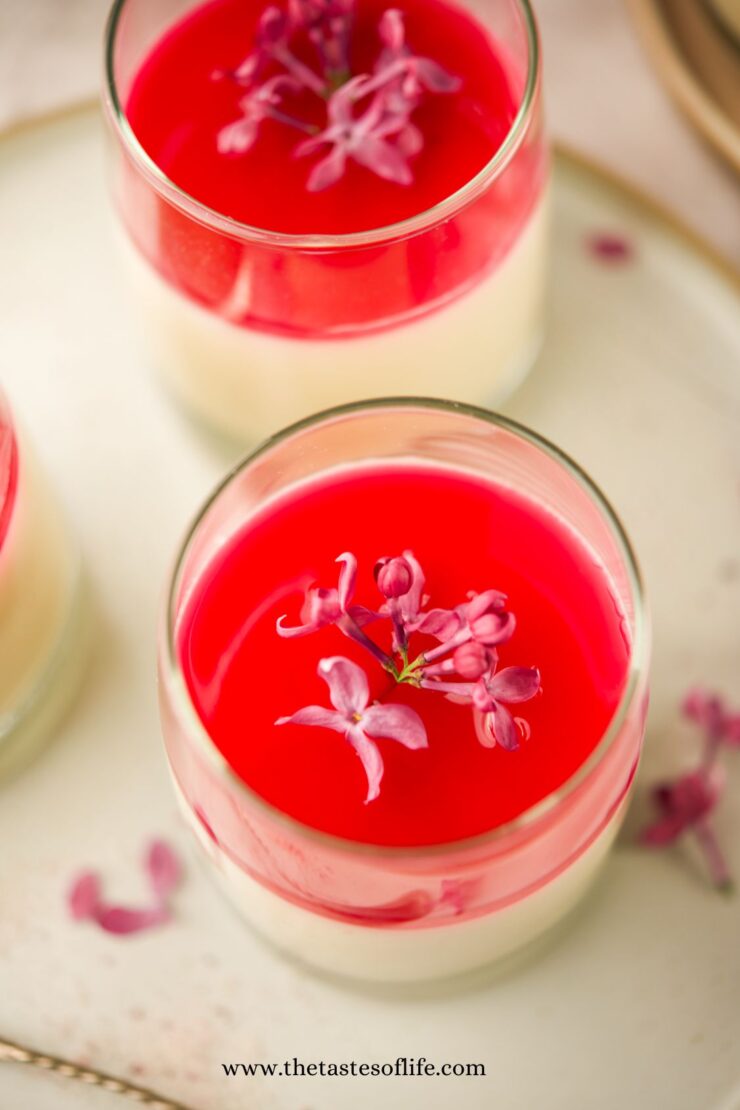
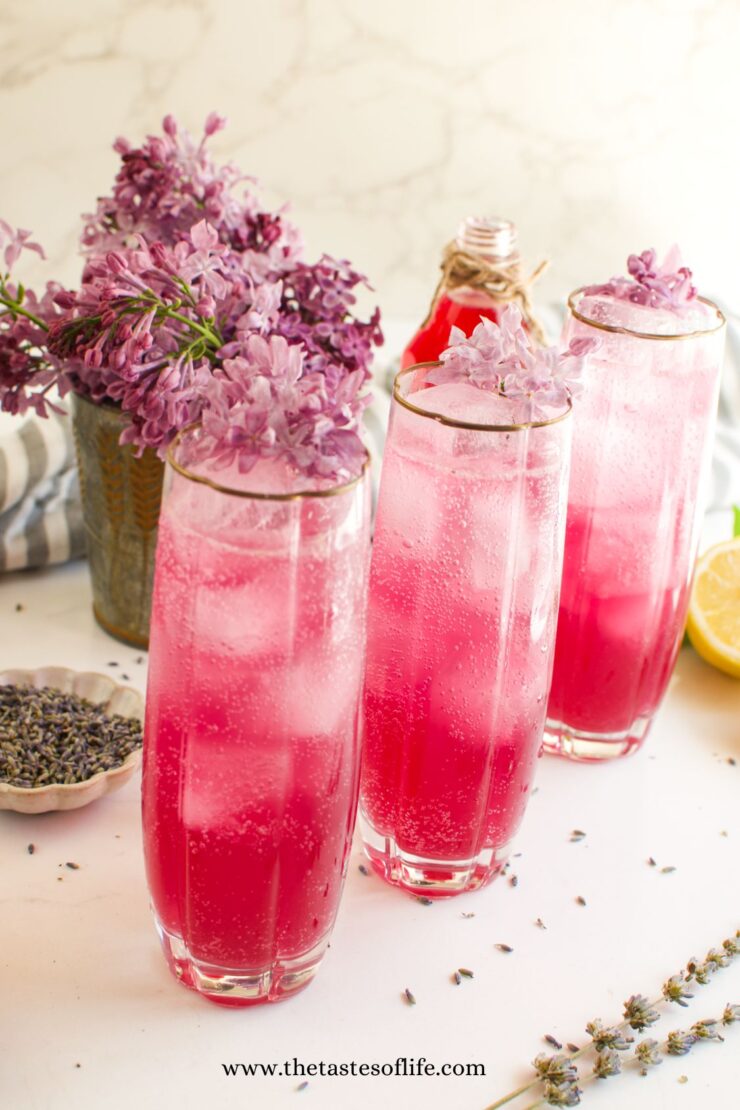
Fragrant with a subtle bitterness. Lovely crystallized with sugar or infused into syrups and vinegars.
Linden (Tilia)
Soft, honey-like, soothing. Traditionally brewed into calming teas.
Marigold (Calendula & Tagetes)
Calendula: earthy, slightly bitter, golden petals (only petals are edible).
Tagetes: citrusy and bright. Use in salads, rice, or as a colorful garnish, nature’s saffron on a budget.
Mint Flowers
Cooling, familiar, slightly sweet. Use just like mint leaves, perfect in Middle Eastern dishes, drinks, and desserts.
Nasturtium
Peppery, bold, almost like arugula with personality. Stunning in salads or layered over roasted vegetables.
Orange Blossom
Sweet, citrusy, intoxicating. A favorite in Middle Eastern baking, syrups, and teas, perfumed in the best possible way.
Oregano Flowers
Milder than the leaves, softly herbal. Use in Italian dishes, especially pasta and tomato-based recipes.
Pansy / Violet
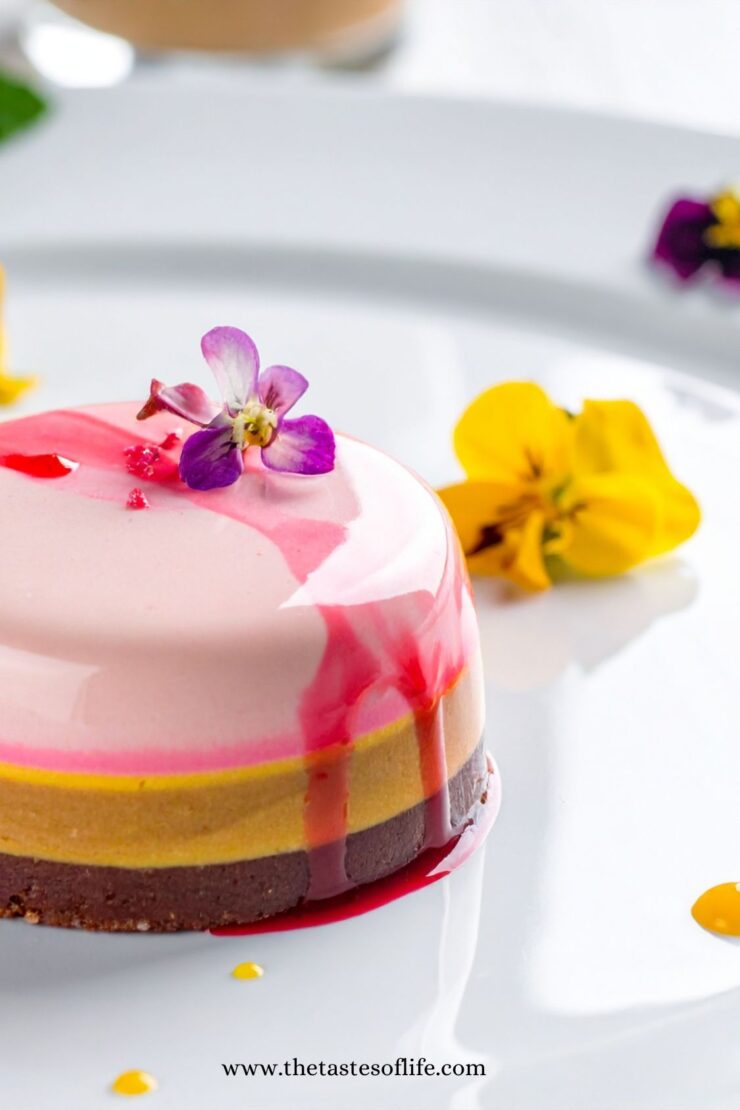
Mild, slightly sweet, a little grassy. Mostly visual, but gorgeous on desserts, salads, or crystallized with sugar.
Pea Blossoms (Garden Pea)
Light, fresh, vegetal. Add to salads, but be sure they’re from edible peas, not ornamental varieties.
Rose Petals
Sweet, floral, sometimes with hints of strawberry. Use in desserts, jams, syrups, or scattered over fruit and salads.
Rosemary Flowers
Gentler than the needles, softly piney. Lovely with grilled meats, especially lamb.
Sage Flowers
Milder, slightly earthy. Perfect with pasta, butter sauces, or grilled dishes.
Scented Geraniums
Varies by variety, often lemony or rosy. Use in desserts, teas, or salads for a fragrant twist.
Sunflower
Petals are bittersweet; buds can be cooked like artichokes. Add petals to salads or experiment with the buds for something unexpected.
Squash Blossoms
Soft, delicate, slightly sweet. Stuff with ricotta, fold into dishes, or fry until golden and crisp.
Thyme Flowers
Gentle, herbal, slightly floral. Beautiful with chicken, fish, or light savory dishes.
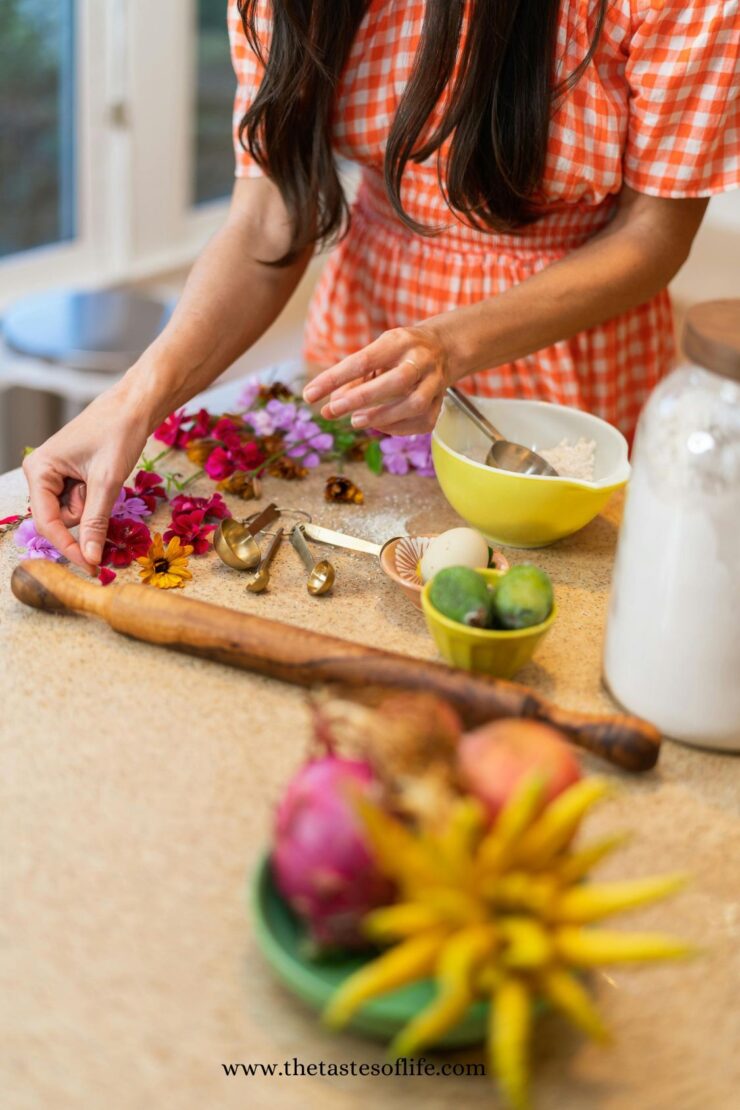
Edible flowers should always be used with care and personal judgment. Even when a flower is listed as edible, reactions can vary from person to person, and proper identification and sourcing are essential. Consumption is at your own risk, especially if you have allergies, are pregnant, or are unsure about the origin of the flowers. For a reliable overview of commonly used varieties, I recommend checking the Thompson & Morgan edible flowers guide, which includes a helpful reference table of edible flowers and their culinary uses and risks.
Recipes with Edible Flowers
Lavender Lemon-Infused Cream Cheese Dip
Lemon Curd Lavender Cheesecake
Love My Content? Buy Me a Coffee!
Creating these resources for you is my passion, and I love hearing how they’ve helped you on your health journey. If you appreciate my content and want to support my work, you can buy me a coffee to help fuel more tips, recipes, and inspiration. Every little bit means the world to me!