Delicious Roasted Cauliflower Hummus

Looking for a delicious and healthy hummus alternative? This roasted cauliflower hummus is a low-carb, keto, and paleo that’s packed with nutrients to support gut health, hormone balance, and weight management. Learn how to make this creamy, flavorful recipe today!
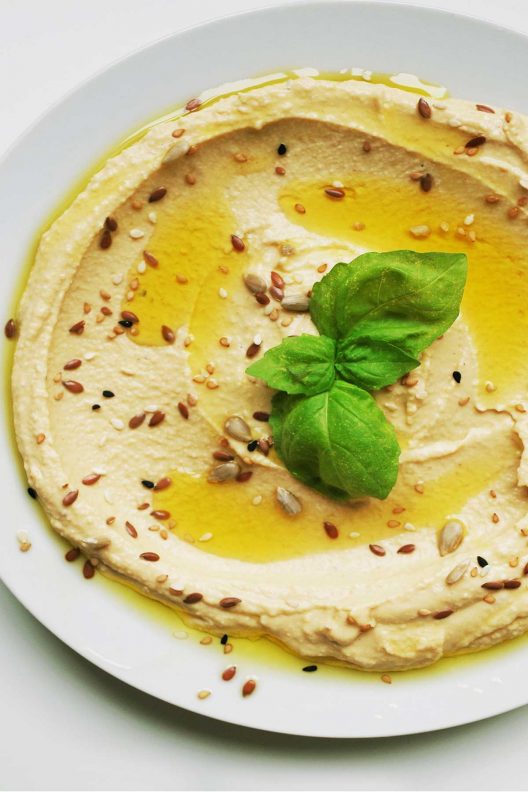
As a nutrition consultant and chef, I love creating recipes that are both nutritious and satisfying. Many people are looking for a low-carb, keto, and paleo-friendly alternative to traditional hummus, and this roasted cauliflower hummus is the perfect solution!
Cauliflower is one of my favorite vegetables because of its incredible versatility and nutritional value. Whether roasted, blended, or mashed, it adds a creamy texture and mild flavor that works beautifully in so many dishes. This hummus is bean-free, making it a great option for those who are intolerant to legumes or following a low-carb diet. Plus, it’s packed with vitamins, fiber, and antioxidants to support overall health!
Why You’ll Love This Recipe
This roasted cauliflower hummus is nutrient-packed, low-carb alternative that fits a variety of healthy eating lifestyles. Here’s why you’ll love it:
- Low-Carb & Keto-Friendly: Traditional hummus is made with chickpeas, which are higher in carbohydrates. By using roasted cauliflower instead of chickpeas, this recipe provides the same creamy consistency while keeping it low in carbs, making it perfect for those following keto, or paleo.
- Creamy & Flavorful: Roasting cauliflower enhances its natural sweetness and creates a deep, nutty flavor. Blended with tahini, lemon juice, and olive oil, this hummus is rich, smooth, and satisfying—without the need for dairy or beans.
- Nutrient-Dense: Cauliflower is part of the cruciferous vegetable family, which means it’s packed with vitamin C, fiber, and antioxidants that support gut health, hormone balance, and immune function. The added tahini and olive oil provide healthy fats that help keep you feeling full and energized.
- Easy to Make: You don’t need any complicated techniques or special equipment—just a baking sheet, a blender or food processor, and a few simple ingredients. Roast, blend, and enjoy!
Versatile & Customizable: This hummus can be enjoyed in so many ways. Use it as a dip for raw veggies, a spread for sandwiches or wraps, or as a side to grilled proteins. You can also adjust the spices to your taste—add cayenne for heat, extra garlic for boldness, or a drizzle of olive oil for richness.
Ingredients For Roasted Cauliflower Salad
Cauliflower – Star of the show – A mild and versatile vegetable that becomes creamy and rich when roasted.
Garlic – Adds a deep, savory flavor and a hint of spice when blended into the hummus.
Tahini paste – A smooth and nutty sesame paste that gives hummus its signature taste and creamy consistency.
Fresh lemon juice – Brightens up the flavors and adds a slight tanginess.
Olive oil – Helps create a silky texture while enhancing the richness of the hummus.
Ground coriander – Brings a warm, citrusy note that complements the roasted cauliflower.
Ground cumin – Adds an earthy, slightly smoky depth of flavor.
Cayenne pepper (optional) – A touch of heat that elevates the overall taste.
Water (as needed) – Helps achieve the perfect smooth and creamy consistency.
How to Make It
- Preheat the oven to 400°F (200°C). This ensures that your cauliflower roasts evenly and develops a slightly golden, caramelized flavor.
- Prepare the cauliflower: Remove the florets from the cauliflower head, cutting them into small, even-sized pieces. Spread them out in a single layer on a baking sheet to allow even roasting.
- Roast the cauliflower: Drizzle the florets with olive oil, tossing them to coat evenly. Roast in the oven for about 20 minutes, or until they turn golden brown and become tender. Roasting deepens the flavor and gives the hummus a rich, slightly nutty taste.
- Blend the hummus: Transfer the roasted cauliflower to a food processor. Add the tahini, lemon juice, olive oil, garlic, coriander, cumin, salt, and cayenne (if using). These ingredients work together to create a smooth and flavorful dip.
- Adjust the texture: Blend until smooth and creamy, stopping occasionally to scrape down the sides of the food processor. If the hummus is too thick, add a small amount of water and continue blending until you reach the desired consistency.
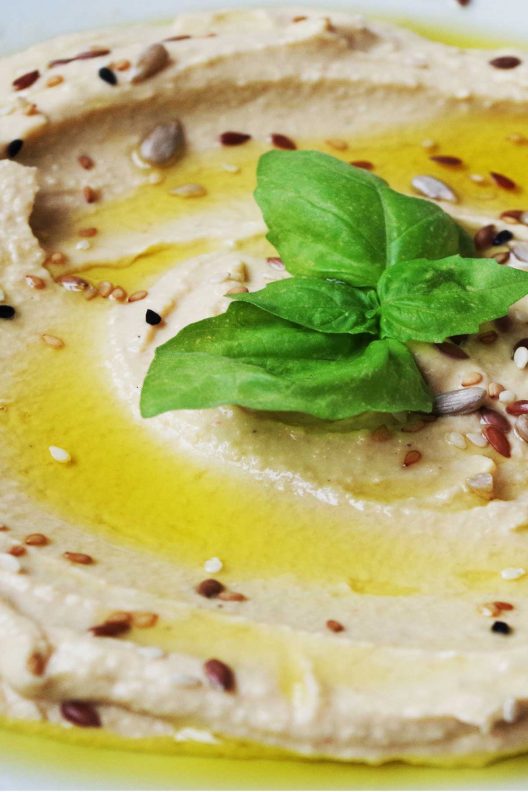
- Serve and garnish: Transfer the hummus to a serving bowl and garnish with sunflower seeds, fresh herbs, or a drizzle of olive oil. These toppings add texture, flavor, and a beautiful finishing touch.
Ingredient Substitutions
- Cauliflower: Substitute with roasted zucchini or eggplant for a different twist.
- Tahini: Use almond butter or sunflower seed butter for a nut-free option.
- Olive Oil: Swap with avocado oil for an extra dose of healthy fats.
Want to save this recipe?
Health Benefits for Women’s Health
This roasted cauliflower hummus is not just delicious—it’s incredibly nutritious! Cruciferous vegetables like cauliflower are known to support hormone balance by aiding in estrogen metabolism and detoxification, helping the body process excess hormones naturally. This is essential for maintaining a healthy menstrual cycle and reducing symptoms of hormonal imbalance.
The combination of garlic and lemon juice provides a powerful dose of antioxidants and vitamin C, which boost immune function and help fight inflammation. This keeps the body strong and resilient against everyday stressors.
With its high fiber content, this hummus also plays an important role in gut health. A healthy gut supports digestion and helps regulate hormone levels, preventing bloating and irregular digestion. The fiber also contributes to weight management, keeping you full and satisfied for longer without unnecessary snacking.
Additionally, the heart-healthy fats in olive oil and tahini help maintain balanced cholesterol levels, reducing the risk of heart disease. These good fats also support brain function and help manage mood swings and stress levels.
Chef Angie’s Tips
For the best flavor, always roast the cauliflower instead of steaming it. Roasting enhances the natural sweetness and creates a richer, more complex taste. If your hummus is too thick, add a small amount of water or extra olive oil while blending to reach the perfect consistency.
Ways to Serve
This hummus is incredibly versatile and pairs well with many foods. Enjoy it as a dip with fresh vegetables like cucumber, carrots, or celery. Spread it on grain-free crackers or lettuce wraps for a low-carb snack. You can also use it as a side dish with grilled chicken or fish for a protein-packed meal.
Storage
For storage, keep your hummus in an airtight container in the fridge for up to 5 days. If it thickens over time, stir in a little olive oil or lemon juice before serving.
Equipment
- Baking sheet
- Food processor or blender
- Knife and cutting board
- Mixing bowl
Frequently Asked Questions
Can I make this hummus ahead of time?
Yes! It stores well in the fridge for up to 5 days.
What can I serve with this hummus?
It’s great with fresh veggies, grain-free crackers, or as a spread on sandwiches and wraps.
Can I freeze cauliflower hummus?
Yes, you can freeze it for up to 3 months. Just thaw and stir well before serving
___________
Did you make this recipe?
Please let me know how it turned out for you! Leave a comment below and share a picture on Instagram with the hashtag #thetastesoflifeholisticblog
Roasted Cauliflower Hummus Recipe
Ingredients
- 1 whole medium cauliwflower
- 5 cloves garlic
- 1/4 cup tahini paste
- 1/8 cup lemon juice, fresh squezzed
- 1/8 cup olive oil
- 1/2 tsp ground coriander
- 1/2 tsp ground cumin
- cayenne if you like it spicy
- salt, to taste
- water if you need for better consstency
Instructions
- Pre-heat your oven to around 400 degrees Fahrenheit
- Take off the florets from the cauliflower head
- Place the cauliflower on a sheet pan
- Add olive oil and bake it for 35 minutes so that they are a bit golden
- Move the roasted cauliflower into a food processor and add all other ingredients. Blend until the mixture is creamy
- Serve it in a bowl and decorate with sunflower seeds and parsley or basil
- To ensure that this recipe is keto, low-carb, gluten-free, paleo and Whole30 friendly, serve it with sliced vegetables. I do not like serving with crackers and chips. Instead, I enjoy scooping cauliflower hummus with cucumber, carrots or celery. You too will amaze your taste buds.
Nutrition
Love My Content? Buy Me a Coffee!
Creating these resources for you is my passion, and I love hearing how they’ve helped you on your health journey. If you appreciate my content and want to support my work, you can buy me a coffee to help fuel more tips, recipes, and inspiration. Every little bit means the world to me!