Preserved Lemon Paste

Last Updated on November 12, 2026 by Angie Spuzak
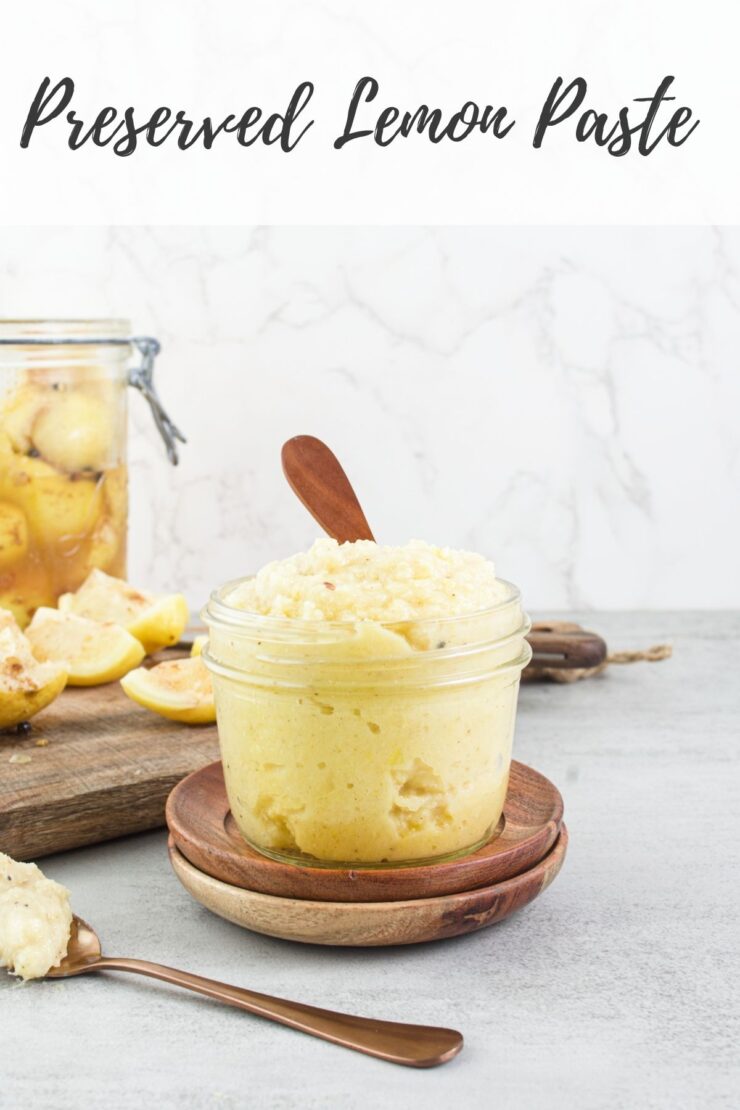
Preserved lemon paste is a tangy, salty Mediterranean condiment made from fermented lemons. Learn how to make it, how to use it in savory and sweet recipes, and why it’s a staple worth keeping in your fridge. A perfect DIY gift for Christmas or a birthday.
Preserved Lemon Paste
I love ingredients that can completely change a dish. A spoonful of something bright, salty, and full of flavor can turn an ordinary dinner into something worth talking about. Preserved lemon paste is one of those ingredients.
As a nutrition consultant and chef, I always look for ways to build flavor using simple, real ingredients. I don’t want to spend hours making complicated sauces when a little jar of homemade goodness can do the job.
This homemade preserved lemon paste is one of my favorite kitchen shortcuts. It has that beautiful combination of salty, tangy, citrusy, and slightly funky flavor that makes roasted vegetables, chicken, fish, dressings, and marinades taste more interesting. I also love how easily it blends into sauces and dips.
I make it when I have extra lemons and want to preserve their flavor for later. Unlike fresh lemon juice, which mostly gives you acidity, preserved lemon paste brings the whole lemon into the picture, including the fragrant peel.
If you enjoy Mediterranean, Middle Eastern, and North African cooking, this is one condiment I think you should have in your refrigerator.
Why Trust My Preserved Lemon Paste?
I approach recipes from both a chef’s and a home cook’s perspective. I want ingredients to work hard in the kitchen, and I test recipes with everyday cooking in mind.
With preserved lemons, my biggest tip is not to treat them like fresh lemons. Their flavor is much more concentrated, and the salt changes how you season the rest of your dish. Start with a small amount, taste, and adjust. You can always add more, but you can’t take it back!
What Are Preserved Lemons?
Preserved lemons are fresh lemons packed with salt and left to ferment in their own juices. Over several weeks, the salt softens the peel, mellows the bitterness, and develops a wonderfully complex citrus flavor.
Preserved lemon paste takes this one step further. The softened lemons are blended into a smooth or slightly textured paste that is easy to scoop, mix, and incorporate into recipes.
I love making paste because it is much more convenient than chopping preserved lemon peel every time I cook.
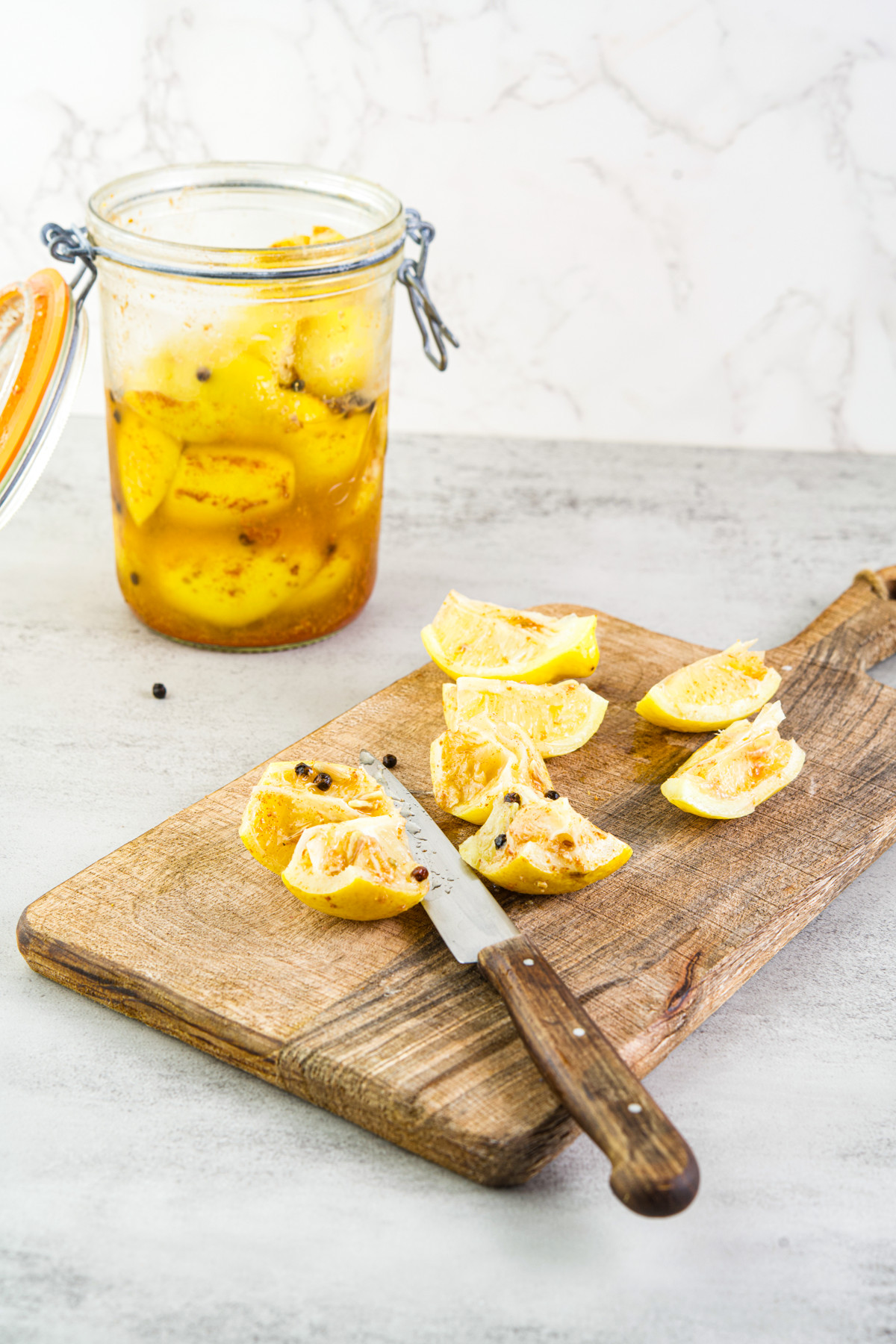
Ingredients for Preserved Lemon Paste
This website may contain affiliate links, which means I may earn a small commission at no extra cost to you if you purchase through these links. As an affiliate, I only recommend products or services I genuinely use and love. Check the affiliate disclosure here.
Did you know?
Unlike fresh lemons, preserved lemons are valued mostly for their peel rather than their juice. During fermentation, the salt softens the peel, mellows its bitterness, and transforms its flavor into something more complex, floral, and almost buttery. In traditional Moroccan cooking, the peel is often the most prized part and is used to add a distinctive citrus flavor to tagines, sauces, and marinades.
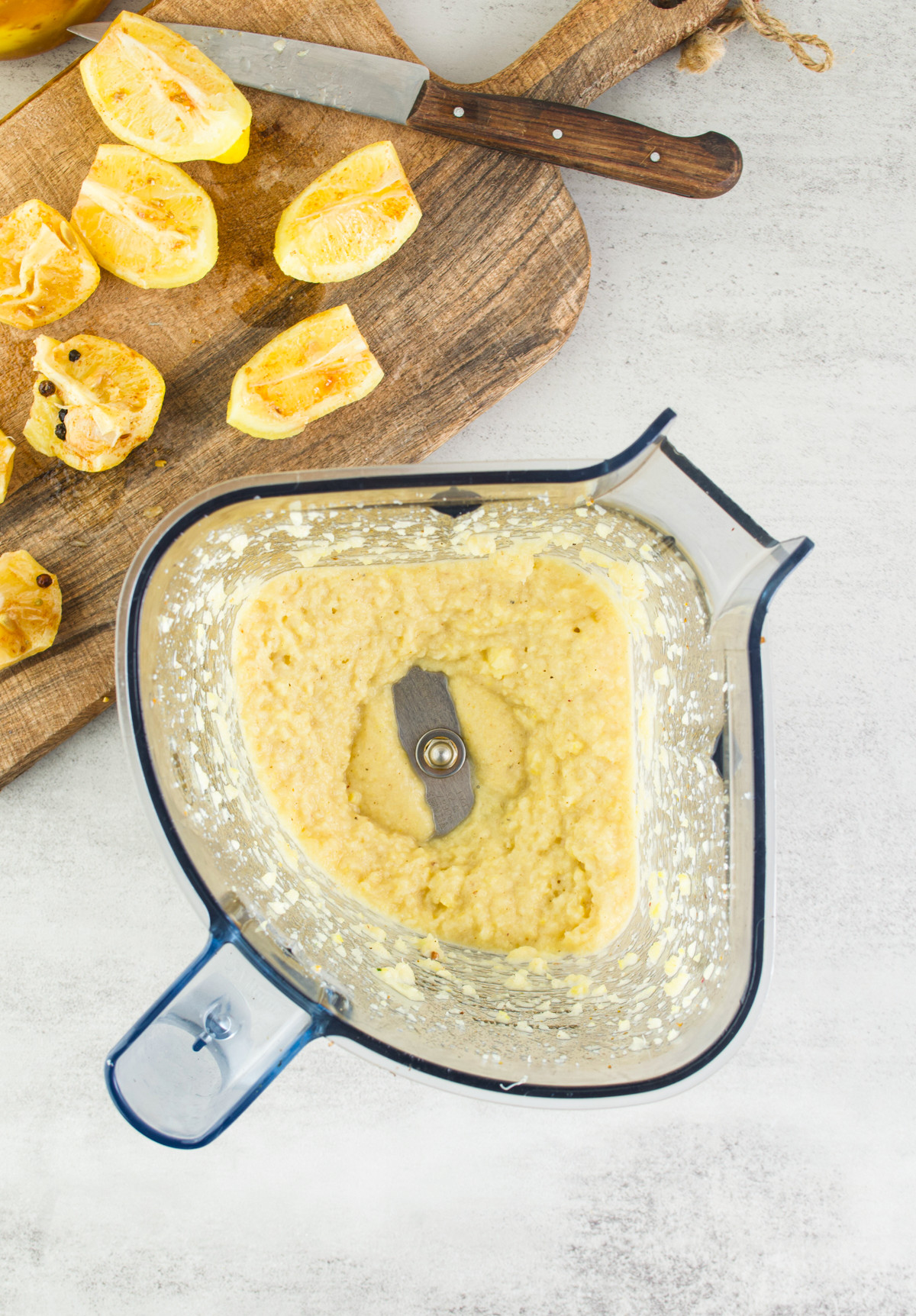
How to Make Preserved Lemon Paste
- Prepare the lemons: Remove the preserved lemons from their jar. Rinse briefly if they are particularly salty, then remove the seeds.
- Add to a high-speed blender or food processor: Place the softened lemons, including the peel, into a food processor or high-speed blender.
- Blend: Process until smooth, scraping down the sides as needed. Add a little olive oil for a softer, creamier consistency.
- Adjust the texture: I like my paste fairly thick but spreadable. You don’t want it so thin that it runs off a spoon.
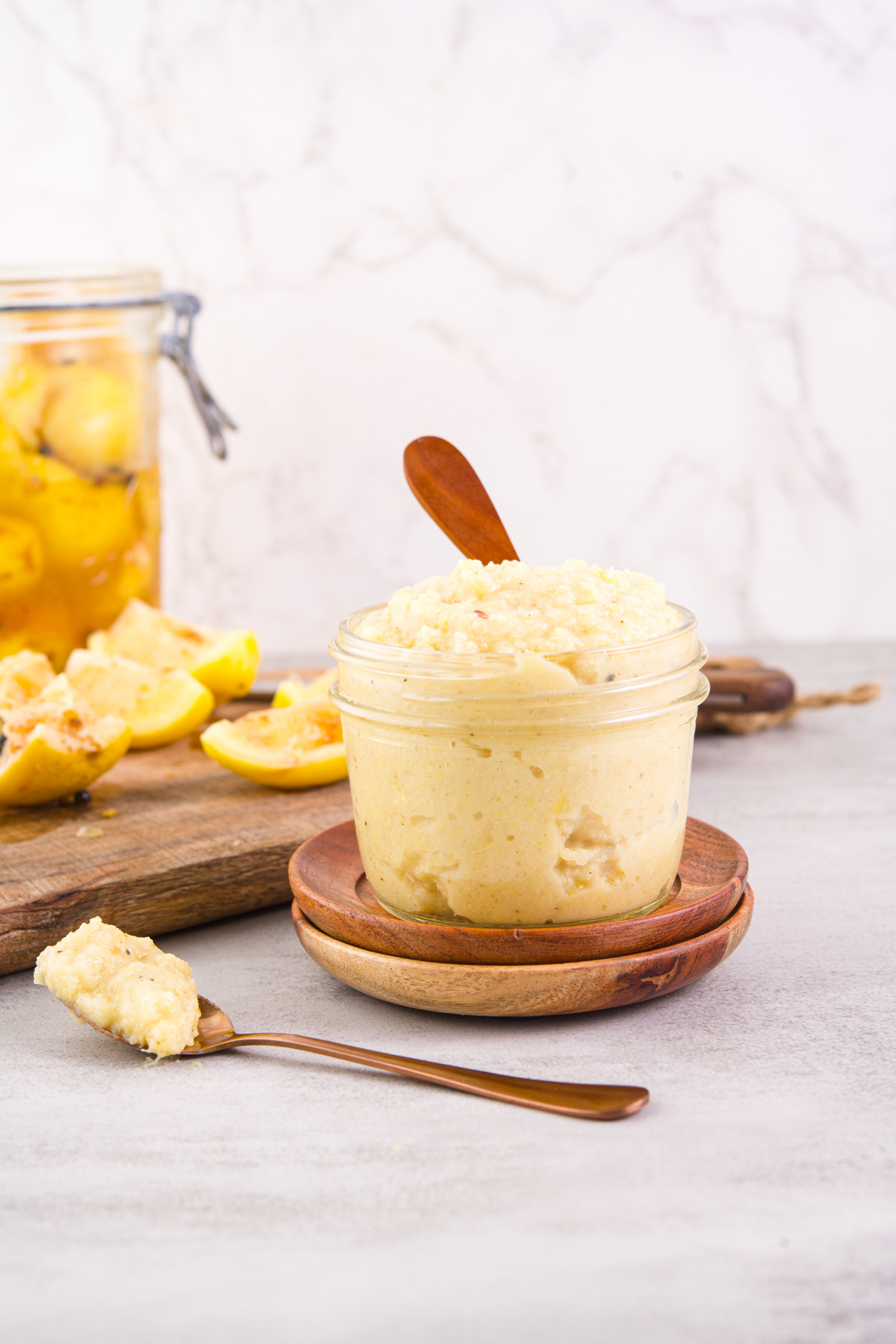
- Transfer to a jar: Spoon the paste into a clean glass jar, smooth the top, and refrigerate.
How to Use Preserved Lemon Paste
This is where the fun begins! I think of preserved lemon paste as a flavor booster. It adds acidity, saltiness, and citrus aroma without needing several different ingredients.
- Salad dressings: Whisk a little into olive oil, Dijon mustard, honey, and vinegar for a bright dressing.
- Roasted vegetables: Toss carrots, cauliflower, zucchini, or potatoes with olive oil and a small spoonful of paste.
- Chicken and fish: Mix it with garlic, herbs, and olive oil for a delicious marinade.
- Hummus and dips: Stir it into hummus, yogurt sauces, or tahini dressing.
- Grain bowls: Add a little to quinoa, rice, or roasted vegetable bowls.
- Pasta: Mix it into olive oil, garlic, and fresh herbs for a simple citrusy sauce.
- Seafood: It works beautifully with shrimp, scallops, and grilled fish.
- Add it to the smoothies to balance the flavor.
- Use it in Moroccan chicken tagine with preserved lemons.
- More about how to use preserved lemons.
- Don’t overlook sweet recipes or cocktails and mocktails, either. A tiny amount can add an interesting citrus-salty contrast to savory-sweet dishes, lemony cakes, honey marinades, or even whipped honey. I would start with just a pinch because the saltiness is quite pronounced.
History Behind Preserved Lemons
Preserved lemons have a long culinary history in North African and Middle Eastern cooking, particularly in Moroccan cuisine.
Want to save this recipe?
They are especially associated with Moroccan tagines, where preserved lemons are cooked with chicken, olives, spices, and herbs. The long preservation process also made lemons available beyond their fresh season.
Today, preserved lemons have found their way into Mediterranean-inspired cooking around the world. I think they deserve a place in everyday kitchens, not just traditional recipes.
How Do Preserved Lemons Taste?
Preserved lemons taste very different from fresh lemons. They are salty, tangy, intensely citrusy, and slightly fermented.
The peel softens and tenderizes, losing much of its original bitterness while developing a deeper, almost floral aroma.
The juice is tart and salty, while the peel carries a concentrated lemon fragrance. When blended into paste, these flavors come together into a punchy condiment.
Where to Buy It?
You can buy preserved lemon purée online or find whole preserved lemons at specialty grocery stores. Look for it in the international foods, Mediterranean, or condiment sections. Preserved lemon paste or preserved lemons.
Storage
Store preserved lemon paste in a clean, airtight glass jar in the refrigerator. Keep it chilled and use a clean spoon every time.
Freeze small portions in an ice cube tray for convenient use later.
Because homemade paste handling and preservation conditions vary, follow a tested preservation recipe and discard it if you notice mold, unusual odors, or other signs of spoilage.
Frequently Asked Questions
Can I use preserved lemon paste instead of fresh lemon juice?
Not exactly. Fresh lemon juice adds acidity, while preserved lemon paste adds saltiness, fermented citrus flavor, and texture. You can use both in the same recipe, depending on what you’re making.
Do I need to rinse preserved lemons before blending?
Not always. If they taste extremely salty, give them a quick rinse. I recommend tasting first so you don’t remove more salt than necessary.
Can I use preserved lemon paste in sweet recipes?
Absolutely! Use a very small amount in honey-based dressings, citrus desserts, or savory-sweet glazes. The salty citrus flavor can create an interesting contrast.
What is the difference between preserved lemon and preserved lemon paste?
Preserved lemons are whole lemons or lemon pieces fermented with salt. Preserved lemon paste is simply those softened lemons blended into a convenient condiment.
Is preserved lemon paste very salty?
Yes, it can be quite salty because salt is essential to the preservation process. Start with a small amount and adjust your dish’s seasoning accordingly. Try it first and see if it tastes salty to you.
My advice? Make a jar, keep it in your refrigerator, and start experimenting. Sometimes the best kitchen ingredients aren’t fancy or expensive. They’re the little things that make you want to take another bite. And this bright, punchy lemon paste certainly does that!
Preserved Lemon Paste
Ingredients
- 10 Preserved lemons
- 1/8 cup Lemon juice or more, if needed for blending
- 2 tbsp Olie oil optional
Instructions
- Prepare the lemons: Remove the preserved lemons from their jar. Rinse briefly if they are particularly salty, then remove the seeds.2. Add to a high-speed blender or food processor: Place the softened lemons, including the peel, into a food processor or high-speed blender.3. Blend: Process until smooth, scraping down the sides as needed. Add a little olive oil for a softer, creamier consistency.4. Adjust the texture: I like my paste fairly thick but spreadable. You don't want it so thin that it runs off a spoon.5. Transfer to a jar: Spoon the paste into a clean glass jar, smooth the top, and refrigerate.
Nutrition
Love My Content? Buy Me a Coffee!
Creating these resources for you is my passion, and I love hearing how they’ve helped you on your health journey. If you appreciate my content and want to support my work, you can buy me a coffee to help fuel more tips, recipes, and inspiration. Every little bit means the world to me!