Fermented Lilac Soda


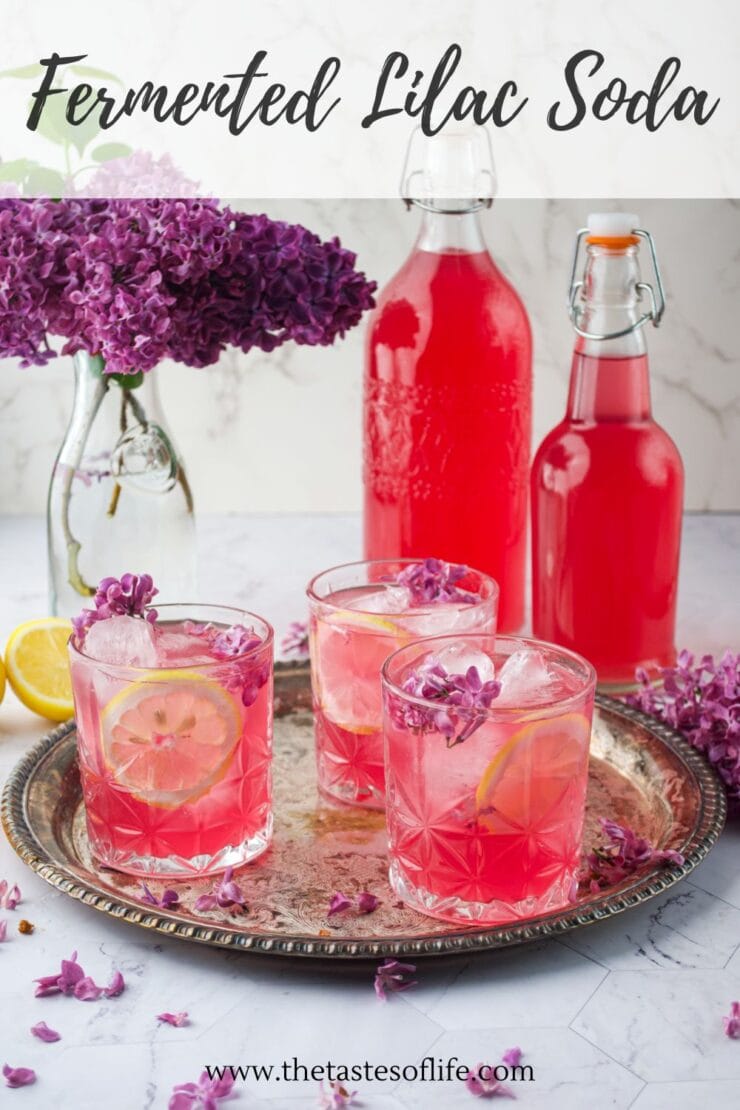
This fermented lilac soda is a refreshing, healthy spring drink made with edible flowers, wild fermentation, and raw honey. This naturally probiotic beverage is fragrant, fizzy, and a beautiful way to nourish your microbiome during spring. Perfect drink for Mother’s Day!
Fermented Lilac Soda
I have a deep love for edible flowers, and lilac has always held a very special place in my heart. Growing up in Poland, lilac season meant one thing: spring had officially arrived. The days were longer, and we spent hours outside picking lilac flowers. To me, lilac always felt magical.
Now, as a nutrition consultant and chef, I enjoy bringing those childhood flavors into my kitchen in a nourishing way. I like adding lilac flowers to ice cream, syrup, cheesecake, cookies, lemonade, or just as a decoration on a plate or salad. My favorite way to use them, though, is making fermented flower water. This fragrant, tangy, and gently fizzy lilac soda tastes like spring in a glass. It’s a refreshing, naturally probiotic drink and an easy way to try fermentation at home without any special equipment.
Fermentation has been part of my life since I can remember and traditional food cultures for centuries, long before it became trendy. When I make a fermented honey lilac drink, we rely on wild fermentation. I don’t add any yeast. The wild yeast on the flowers and the yeasts in the raw honey are what cause the fermentation. The result is a lightly sweet, floral soda that supports digestion and nutrient absorption, nourishes your microbiome, and stimulates the immune system.
Why You’ll Love This Recipe
- This fermented lilac soda is refreshing and perfect for spring
- It uses edible flowers in a simple, approachable way
- Light, bubbly and delicious
- Lightly fizzy, fragrant, and not overly sweet
- A beautiful alternative to sugary sodas or store-bought fermented drinks
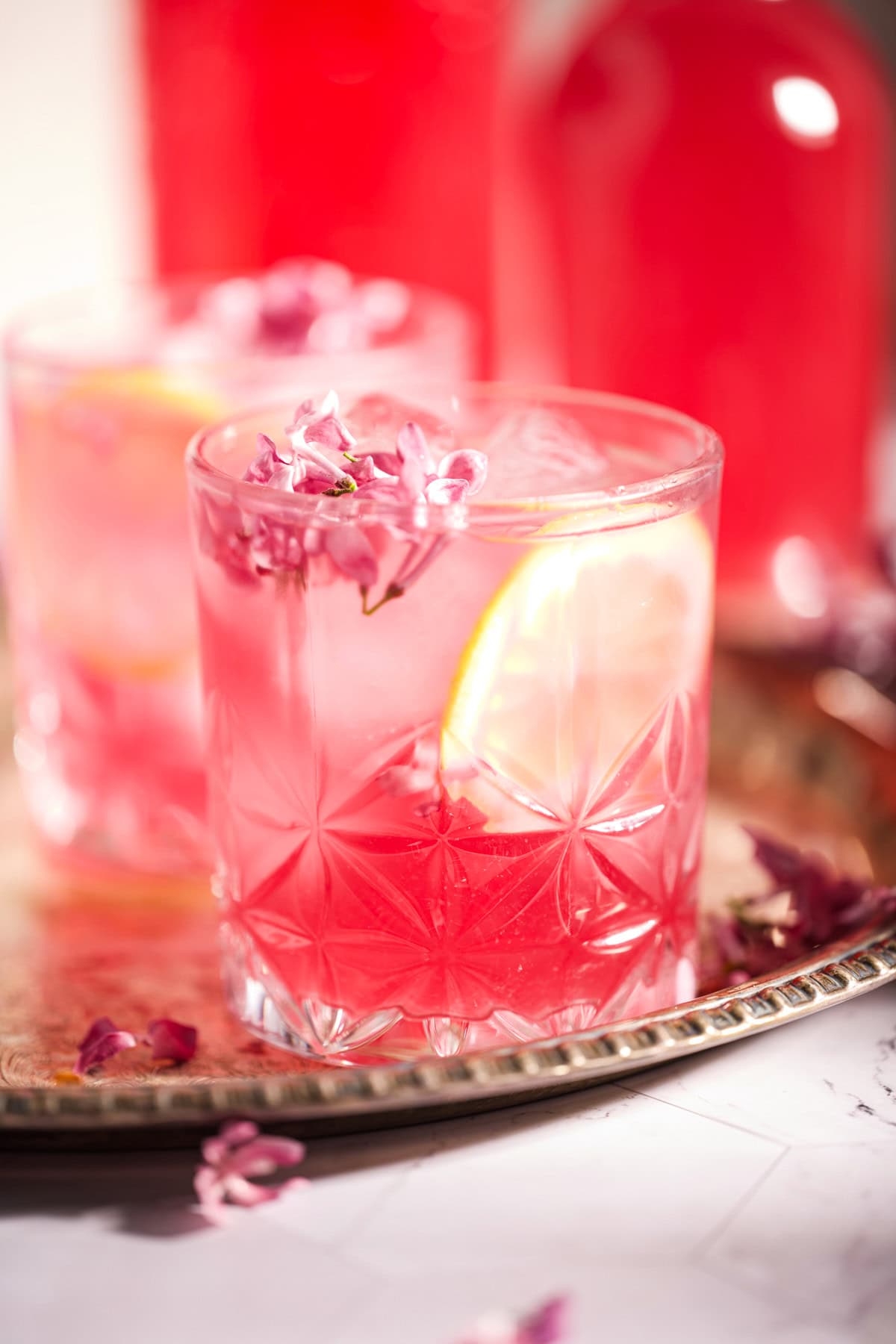
Ingredients for Fermented Lilac Soda
This website may contain affiliate links, which means I may earn a small commission at no extra cost to you if you purchase through these links. As an affiliate, I only recommend products or services I genuinely use and love. Check the affiliate disclosure here.
Did you know?
Lilac flowers are edible and have been used traditionally in syrups, cordials, and spring tonics across Eastern Europe and parts of the Mediterranean. Their aroma is much stronger than their taste, which is why they work so well in infusions and fermented drinks rather than baked goods.
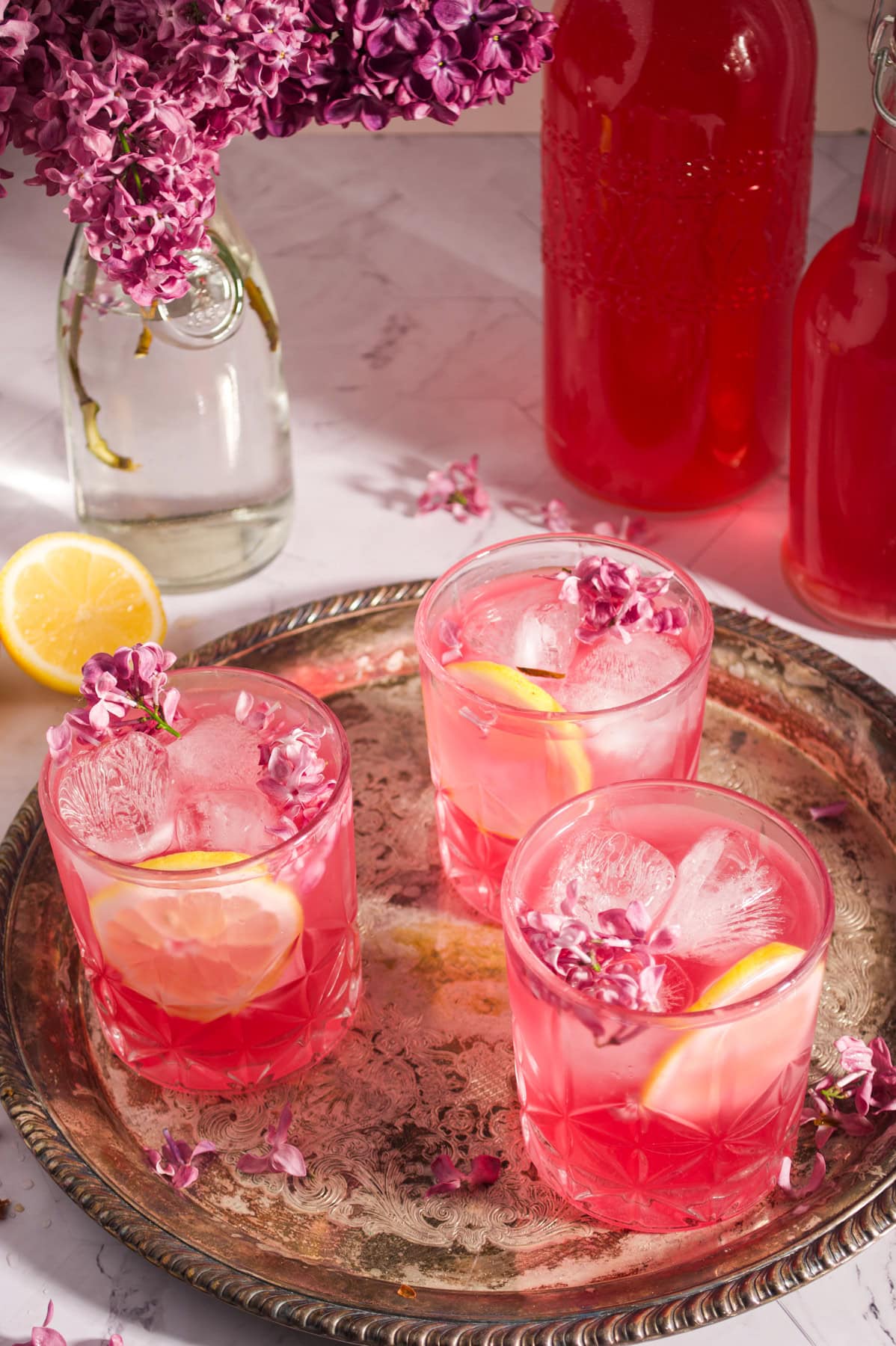
How to Make Fermented Lilac Soda
- Place the lilac flowers in a clean glass jar. I use a 1-gallon jar.
- Slice the lemon and ginger, then add them to the jar.
- Dissolve the honey in warm water and pour it into the jar.
- Add the lilac flowers and fill the jar with non-chlorinated water.
- Gently stir, then loosely cover with parchment paper and a lid.
- Let it sit at room temperature.
- Fermentation will start naturally over the next few days. You’ll see bubbles and notice a slightly tangy smell. When it’s as fizzy as you like, strain it and pour into bottles to chill.
Ingredient Substitutions
- Lilac flowers: If lilac isn’t available, you can experiment with other edible flowers, such as elderflower or rose, using the same method.
- Honey: Maple syrup or coconut sugar will work, though the flavor will be different, and fermentation may be slightly slower.
- Lemon: Orange or lime can be used for a softer citrus profile.
- Ginger: Turmeric root or galangal can be used for a different warming note.
The Science Behind Fermentation and Why It’s Good for You
During fermentation, natural bacteria and yeasts break down sugars into acids, gases, and other helpful compounds. This not only preserves the ingredients but also creates probiotics, live microorganisms that help balance your gut microbiome. A healthy microbiome supports digestion, helps your body absorb nutrients, and is important for your immune system. Fermented drinks like lilac soda are also rich in organic acids, which gently boost digestive enzymes and give a refreshing, slightly tangy taste. By adding wild-fermented drinks to your routine, you give your gut helpful microbes and compounds that can improve digestion, boost energy, and support your overall wellness, all while enjoying a fragrant, fizzy spring treat.
Chef Angie’s Tips
- Always forage lilac away from roads and sprayed areas
- Use glass jars to avoid unwanted reactions
- Taste daily during fermentation to catch it at your preferred fizz
- Burp bottles if second fermenting to avoid pressure buildup
- Trust your senses, fermentation should smell fresh and pleasant
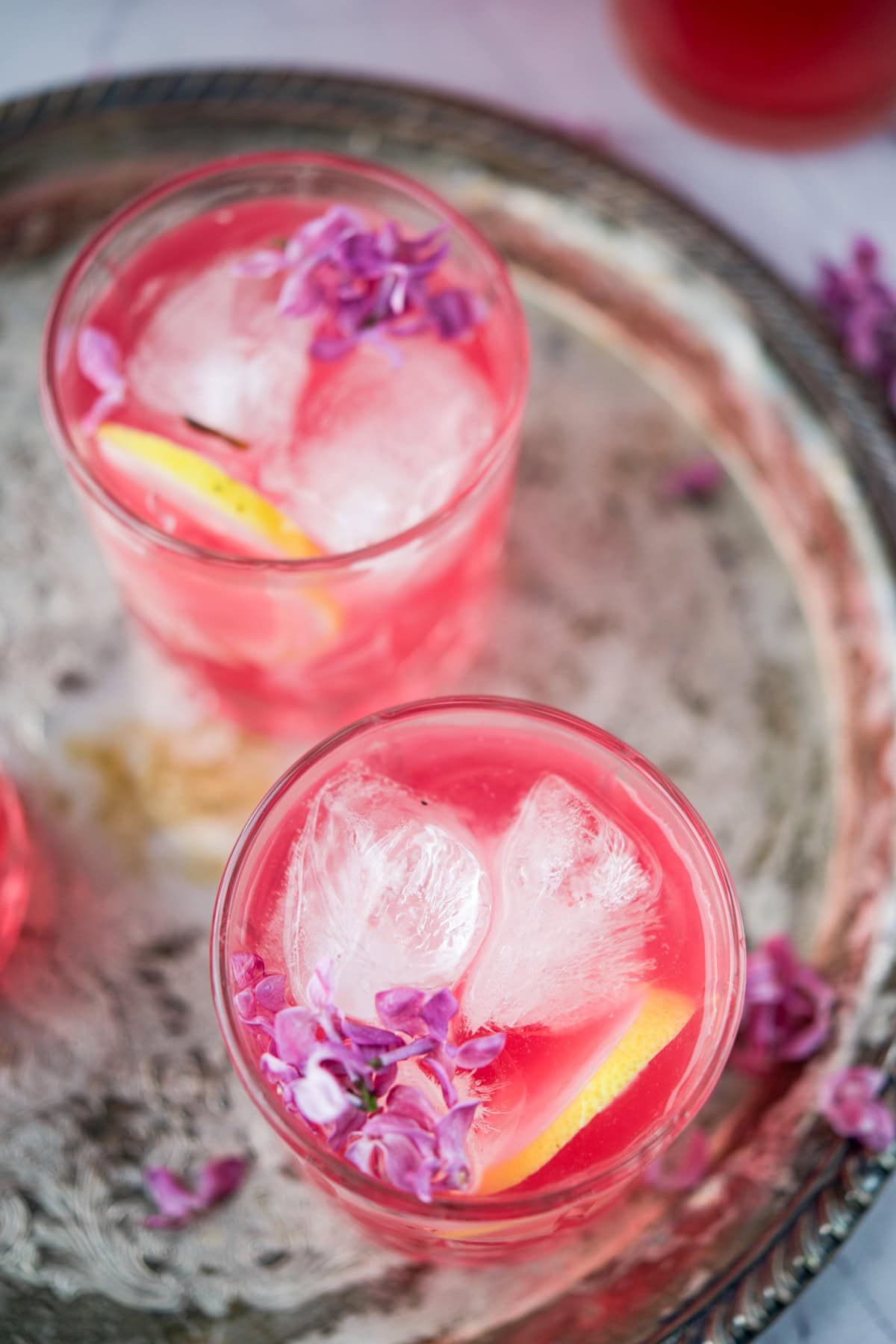
Ways To Serve
- Serve chilled over ice on a warm spring day
- Use as a base for mocktails or cocktails
- Pour into pretty glasses with edible flowers for gatherings
Storage
Store the finished soda in the refrigerator. It’s best within a week for the freshest taste. Keep the bottles tightly sealed to keep the bubbles.
Want to save this recipe?
Equipment
- Glass jar
- Wooden spoon
- Fine mesh strainer
- Glass bottles with tight lids
FAQ
Is fermented lilac soda alcoholic?
The fermentation is very mild and results in only trace amounts of alcohol, similar to other fermented drinks.
How do I know when it’s ready?
It should smell pleasantly tangy and have visible bubbles. Taste is the best guide.
Are all lilac varieties edible?
Common lilac is generally considered safe, but always double-check and forage responsibly.
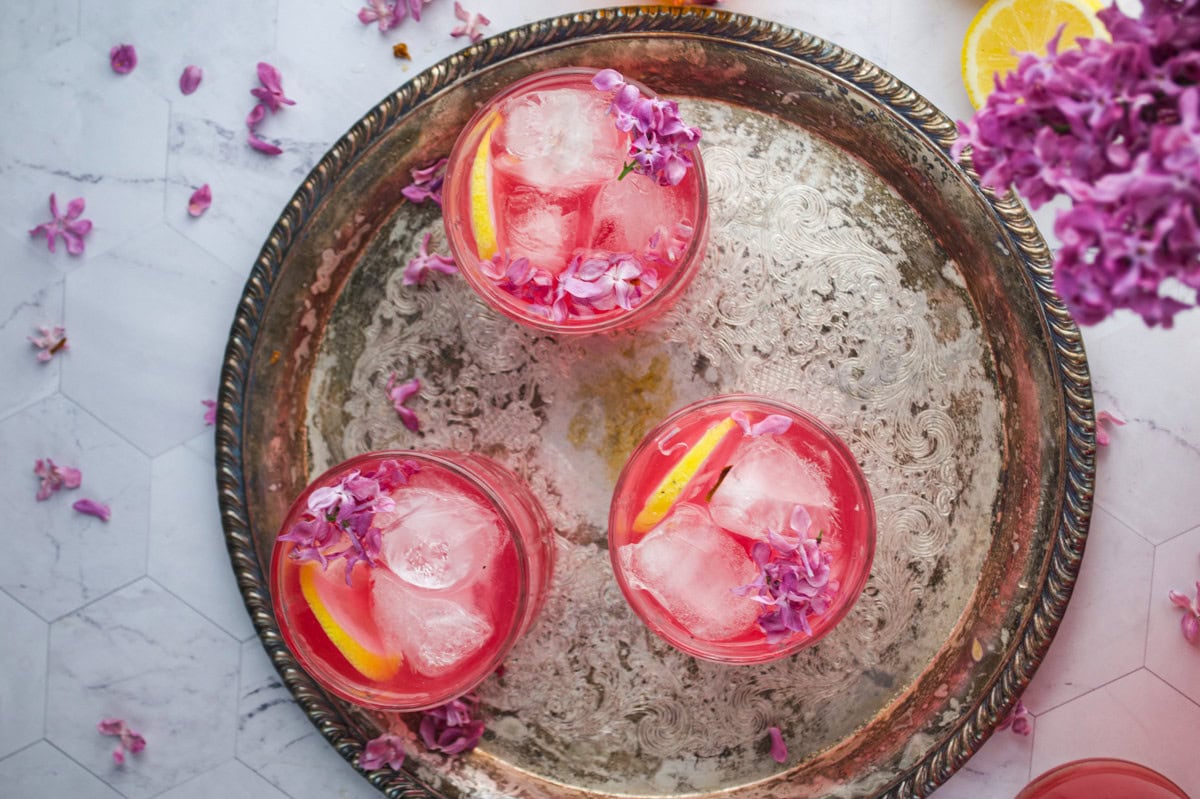
If you enjoyed this fermented lilac soda, share this blog with a friend who loves spring drinks, save it for later, and let me know in the comments how you served it. Spring comes just once a year, so let’s enjoy it while it lasts.
Fermented Lilac Soda
Equipment
- Glass jar 1 gallon
Ingredients
- 6 cups Lilac flowers cleaned without green pieces
- 1/2 cup Raw honey
- 3 Lemons sliced
- 4 inches Ginger sliced
- 1 gallon Water
Instructions
- Place the lilac flowers in a clean glass jar. I use a 1-gallon jar.2. Slice the lemon and ginger, then add them to the jar.3. Dissolve the honey in warm water and pour it into the jar.4. Add the lilac flowers and fill the jar with non-chlorinated water.5. Gently stir, then loosely cover with parchment paper and a lid.6. Let it sit at room temperature.7. Fermentation will start naturally over the next few days. You’ll see bubbles and notice a slightly tangy smell. When it’s as fizzy as you like, strain it and pour into bottles to chill.
Nutrition
More Spring Recipes
Gluten-Free Żurek: Polish Sour Rye Soup
Best Deviled Egg Dip
Marbled Easter Eggs Using Oil
Spring Detox Smoothie Recipe With Cilantro
Creamy Spring Chicken Salad With Mayo
Spring Salad Recipe With Fennel
Pine Tips Balsamic Salad Dressing (From Spruce)
How To Make Chocolate-Covered Spruce Tips
How To Make Pine Tips/ Needles Infused Oil
Love My Content? Buy Me a Coffee!
Creating these resources for you is my passion, and I love hearing how they’ve helped you on your health journey. If you appreciate my content and want to support my work, you can buy me a coffee to help fuel more tips, recipes, and inspiration. Every little bit means the world to me!