Slavic Winter Solstice: Herbs, Rituals, and Nourishing Recipes


Magical Slavic Winter Solstice rituals and recipes using juniper berries, elderberry, thyme, and sea buckthorn berries, with winter infusion, elderberry syrup, sea buckthorn juice, curd, sorbet, and nourishing winter foods.
Slavic Winter Solstice
The Winter Solstice has always felt different to me.
Even before I could explain why, my body understood it. The slowing down. The craving for warmth. The desire to be inside not just physically, but emotionally too. As someone raised with Slavic roots, I now see that this wasn’t a coincidence. It was a memory. Ancestral rhythm. Seasonal intelligence passed down quietly through food, herbs, and ritual.
In Poland, December was a celebration of winter. Poland became Catholic over a thousand years ago, but many of the traditions we now associate with Christmas have much older, pagan roots. Long before Christianity, Slavic people marked the Winter Solstice with fire, evergreen branches, light, and ritual foods to honor the return of the sun. When Christianity spread through the region, these practices weren’t erased; they were adapted. The evergreen tree, candles, lights, shared meals, and even the timing of Christmas itself all align closely with earlier pagan celebrations of the Solstice. What changed was the story around them, not the rituals themselves. In many ways, Polish Christmas is a beautiful blend of Catholic faith layered over much older Slavic seasonal wisdom, where light, warmth, and community mattered long before they had Christian names. For me, the traditions matter even though I’m not religious anymore. You can check Polish Christmas traditions here.
In Slavic traditions, the Winter Solstice wasn’t about fighting the darkness or distracting ourselves from it. It was about meeting it with intention. The longest night of the year marked both an ending and a beginning. Darkness reached its peak… and from that point on, the light slowly returned.
That moment mattered.
And it was honored not with noise, but with warmth, simplicity, and nourishment.
Food during this time was simple but deeply intentional. Meals were warming, often meatless, built around grains, preserved fruits, honey, poppy seeds, and roots. These foods carried meaning. Grains represented continuity and survival. Honey symbolized sweetness and abundance. Dried fruits and berries were summer-preserved for winter, reminders that nourishment could be stored and trusted.
Herbs were just as important as food. They were not used occasionally or reactively. They were part of daily life, taken consistently to support the body through the hardest season of the year.
The herbs I return to every Winter Solstice are the same ones my ancestors relied on: juniper berries, elderberry, thyme, and sea buckthorn berries. These are not trendy herbs. They are resilient herbs. Herbs that know winter. Check my blog about how to nourish yourself during the winter.

Winter Solstice for Slavs
In many Slavic cultures, the Winter Solstice was a sacred pause. A threshold. A night when the world felt thinner, quieter, more symbolic. People rested more, worked less, and gathered close to the hearth.
Fire and candlelight were essential not just for warmth but also for protection and hope. Keeping the flame alive symbolized continuity through winter and trust that the sun would return.
Food was equally symbolic. Meals were simple, warming, and intentional. Grains, honey, poppy seeds, dried fruits, and preserved foods carried the energy of summer into winter. Nothing was wasted. Everything had meaning.
And herbs, especially winter herbs, were considered both medicine and magic.
Winter Herbs as Protection, Not Trends
Long before supplements and immune shots, Slavic traditions relied on herbs that grew locally and stored well through winter. These herbs weren’t used reactively. They were used ritually, daily, and with respect.
The herbs I return to every Winter Solstice are the same ones my ancestors trusted:
- Juniper berries for protection, digestion, and cleansing
- Elderberry for immune strength and resilience
- Thyme for the lungs, courage, and winter breathing
- Sea buckthorn berries for vitality, skin, hormones, and preserved sunlight
Each one plays a role in how I nourish myself through the darkest season.
Ritual #1: A Winter Infusion to Honor the Longest Night
One of the simplest and most powerful Solstice rituals is a winter infusion.
In Slavic homes, evenings often began with a warm herbal drink, not rushed, not multitasked. This was a moment to sit, breathe, and let the nervous system soften.
I love using thyme, juniper berries, and a touch of dried fruit or berries. Thyme supports the lungs and carries an old symbolic meaning of courage and protection. Juniper adds a forest-like sharpness that feels grounding and cleansing.
I make this infusion as the sun sets on the Solstice. I dim the lights. I drink it slowly. No phone. No agenda.
This is how I tell my body: you are safe to rest now.

Ritual #2: Elderberry Syrup as Daily Winter Medicine
Elderberry holds a special place in Slavic folklore. Elder trees were believed to be protective spirits, guarding homes and families. Elderberry syrup was traditionally prepared before winter and taken consistently throughout the season.
Not to “fight” illness, but to build resilience.
I take elderberry syrup daily during winter, especially around the Solstice. One spoonful is a reminder that strength doesn’t come from pushing harder. It comes from steady nourishment.
This ritual feels grounding and ancestral, like participating in something far older than modern wellness culture.
Want to save this recipe?
Ritual #3: Sea Buckthorn – Preserved Sunlight in Winter
Sea buckthorn berries are one of my favorite winter foods. Bright orange, intensely tart, and impossible to ignore, they grow in Slavic regions and have been used for generations to support immunity, skin, and vitality. Sea buckthorn contains vitamin C and omega-7 fatty acids, which are amazing for reducing inflammation and fighting colds.
In winter, when everything feels muted, sea buckthorn feels like bottled sunlight.
I use it as:
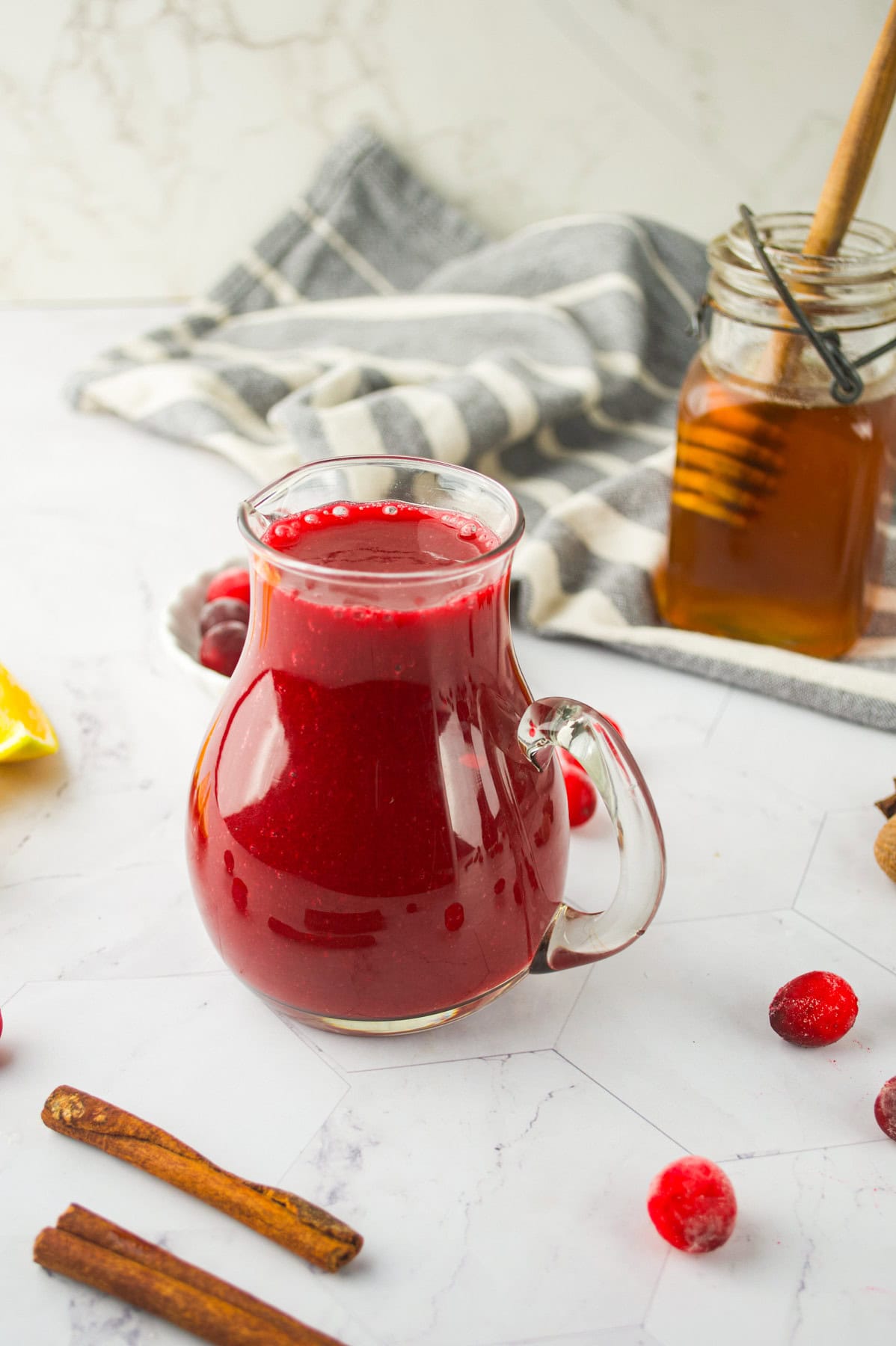
- Sea buckthorn juice for daily nourishment
- Sea buckthorn curd is a rich, comforting spread
- Sea buckthorn sorbet for a refreshing contrast to heavy winter meals
- Sea buckthorn tartlets a delicious, healthy dessert
This isn’t about cold food in winter—it’s about balance. A reminder that brightness still exists, even in the darkest season.
Ritual #4: Juniper – The Guardian of the Solstice
If there is one plant that truly embodies Slavic winter energy, it’s juniper.
Juniper berries and branches were traditionally used to cleanse homes, protect against illness, and support digestion during heavy winter eating. The scent alone feels clarifying, sharp, forest-like, grounding.
Juniper was burned, simmered, infused, and cooked with. It wasn’t gentle, and it wasn’t meant to be. Juniper teaches us that winter strength is quiet, steady, and resilient.
Cooking with Juniper: Old Wisdom, Modern Kitchens
Juniper berries are incredibly versatile when used thoughtfully. A little goes a long way.
I love using them in:
- Juniper chicken, where they add depth and warmth
- Slow-cooked dishes with root vegetables
- Bone broths and savory winter meals
- Teas
- Mocktails or cocktails
Juniper supports digestion, which is especially important when winter diets naturally become heavier. It’s not a flashy spice; it’s a functional one.
Learning how to use juniper berries in cooking has completely changed how winter meals feel in my body. Less heaviness. More grounding. More balance.

The Deeper Meaning of Solstice Rituals
What I love most about Slavic Winter Solstice traditions is that they don’t ask us to perform or optimize.
They ask us to:
- Rest
- Nourish
- Protect
- Preserve energy
The rituals are simple because winter itself is demanding. The magic is subtle because it has to last. And on occasion, have some Polish mulled wine (Grzaniec) to relax.
This is why these traditions still matter.
How I Nourish Myself in Winter (Then and Now)
Winter nourishment isn’t about eating perfectly or following rules. It’s about responding honestly to the season.
For me, that looks like:
- Warm infusions instead of cold drinks
- Herbs taken daily, not occasionally
- Simple meals with deep flavor
- Respecting fatigue instead of judging it
The Winter Solstice reminds me that slowing down isn’t failure. Its alignment.
Why These Traditions Still Matter
We live in a world that expects constant output, even in winter. Slavic traditions offer a different model. One rooted in survival, observation, and respect for natural cycles.
The Winter Solstice doesn’t demand transformation.
It invites tending.
Tending the fire.
Tending the body.
Tending the nervous system.
And trusting that the light will return, because it always does.
If you’re feeling called to soften, warm, and protect yourself this season, know that you’re not behind.
You’re remembering something ancient.
And that, in itself, is winter magic ✨
Love My Content? Buy Me a Coffee!
Creating these resources for you is my passion, and I love hearing how they’ve helped you on your health journey. If you appreciate my content and want to support my work, you can buy me a coffee to help fuel more tips, recipes, and inspiration. Every little bit means the world to me!