The Healing Power Of Common Kitchen Herbs

Learn about the healing power of common kitchen herbs and how they support digestion, immunity, and hormone balance in women over 40. Learn practical ways to use everyday herbs for real wellness.
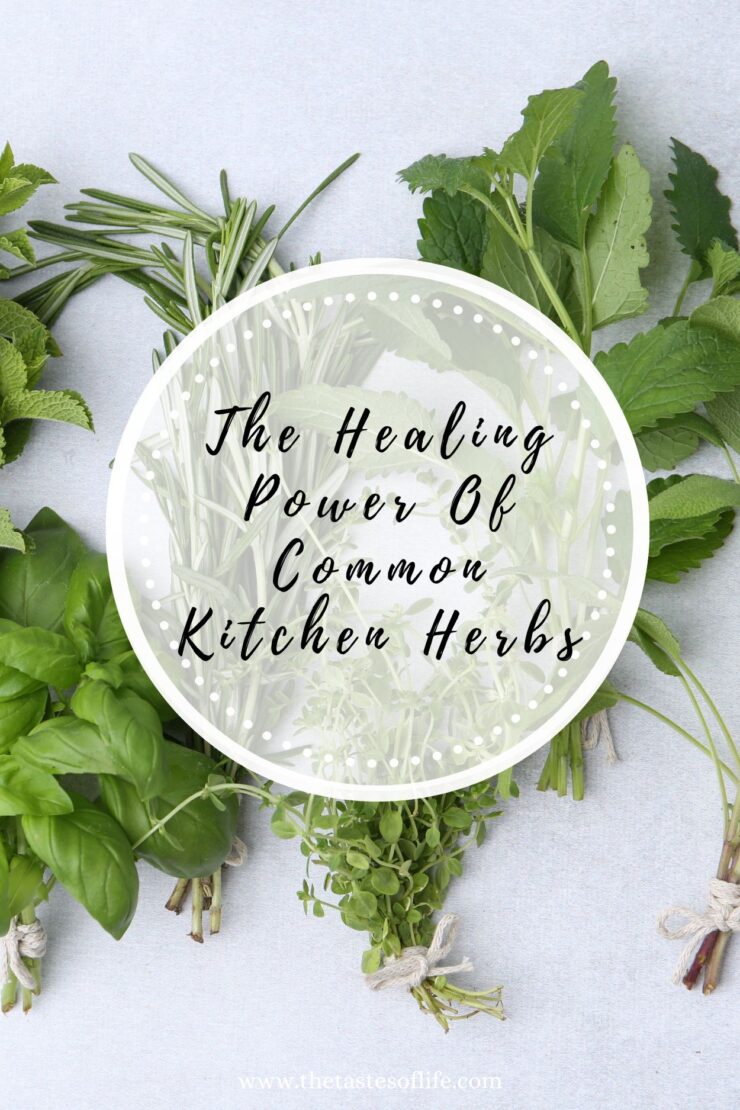
The Healing Power Of Common Kitchen Herbs
As a nutrition consultant and chef, I’ve always believed that the most powerful medicine doesn’t come in a bottle; it starts in your kitchen. Long before I studied nutrition, I cooked and watched how food made people feel. Light, energized, calm… or heavy, bloated, and off balance. And again and again, I kept coming back to one simple truth: herbs matter.
Growing up in Poland, we used a lot of fresh herbs in cooking. We either had gardens, went to the farmers’ market multiple times a week, or we simply foraged for herbs. A handful of fresh dill went into soups, chamomile tea showed up when someone couldn’t sleep, and mint was picked straight from the garden for digestion. The herbs were always close by. I don’t have a garden, but I grow herbs in pots, and some, like mint, lemon verbena, and nettle, just grow wild in my yard. If I need more, then I go to teh farmers market, which is close by. Here is a practical guide for cooking with fresh herbs.
So, What Actually Makes Herbs so Powerful?
When you are in the kitchen and cut the herbs, the first thing you notice is teh smell. This isn’t just for smell or flavor. Fresh herbs contain active compounds that plants produce to protect themselves. In our bodies, they support digestion, detoxification, and hormone balance.
- Terpenes: Anti-Inflammatory and Calming: Terpenes give herbs their aroma, but in the body, they help reduce inflammation, support the nervous system, and help the liver in detoxifying hormones.
- Polyphenols and Flavonoids: Antioxidant and Hormone Support: Polyphenols and Flavonoids protect cells from oxidative stress and free radicals, which can disrupt hormone production. They also help regulate estrogen metabolism, improve circulation, support digestion, lower blood sugar, and support gut health.
- Bitters: Digestion and Estrogen Clearance: Bitters are compounds that help stimulate stomach acid, bile, and enzymes that break down food and help absorb nutrients needed for hormone production. Bitter compounds also support bile flow, which helps remove excess estrogen, which is important in liver detoxification.
- Sulfur Compounds: Detox Pathways: Sulfur is found in chives and supports liver detoxification. Proper liver detox is very important for hormonal balance because it helps us clear excess metabolic hormones from our bodies that we no longer need. Without this, estrogen can recirculate, leading to many unwanted symptoms.
- Natural Plant Oils: Gut and Immune Support: Fresh herbs contain small amounts of natural oils with antimicrobial and anti-inflammatory effects. These help balance gut bacteria, which play a direct role in hormone regulation.
- Minerals: Foundational Support: Herbs provide trace minerals like magnesium and potassium, which are essential for nervous system balance, blood sugar control, and hormone signaling.
More on Best Herbs And Spices For Spring Cooking.
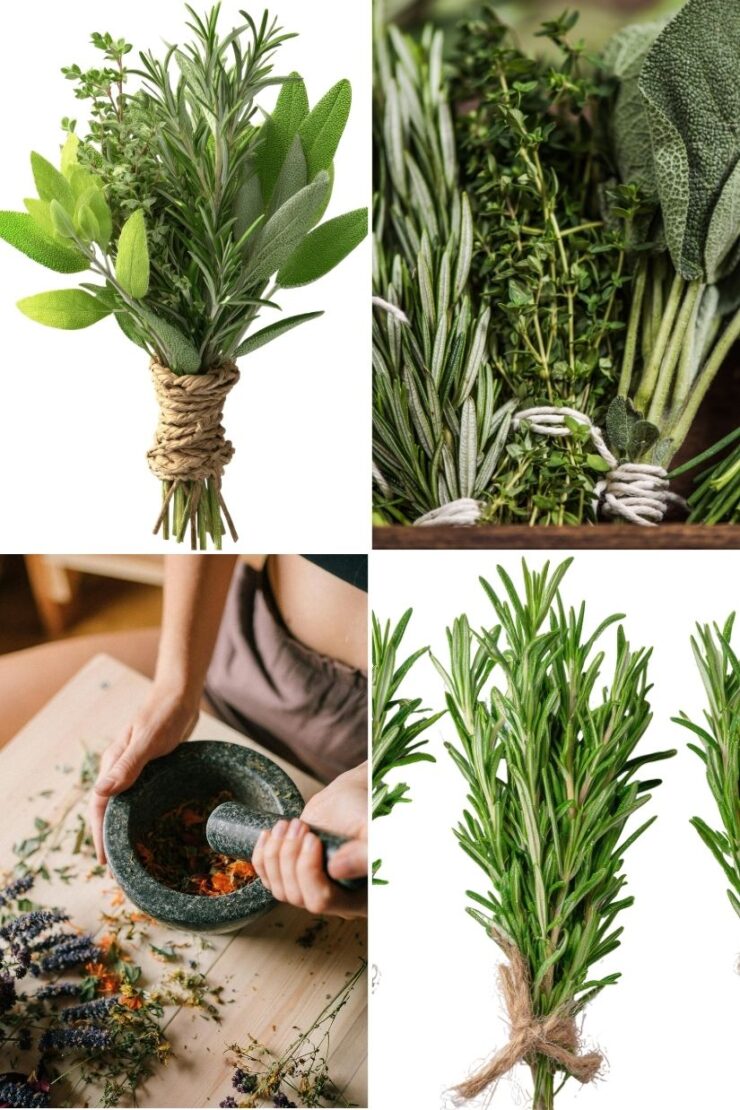
Parsley: The Quiet Detox Support
Nowadays, parsley is mostly used as a decorative garnish on dishes, but nutritionally, it’s doing serious work. It’s rich in vitamin C, chlorophyll, and compounds that support liver detoxification. Your liver is essential for processing excess estrogen, which becomes especially important during perimenopause.
If our body has too much metabolized estrogen, it can lead to more perimenopausal symptoms such as bloating, breast tenderness, weight gain, and mood swings. Adding fresh parsley regularly to salads, smoothies, or sprinkling it over roasted vegetables, mashed potatoes, gently supports this detox pathway.
Mint: Calming Digestion and Hormones
Mint is one of the easiest herbs to grow (it spreads like a weed!)and one of the most soothing for the body. It relaxes the digestive tract, reduces bloating, and can help regulate appetite.
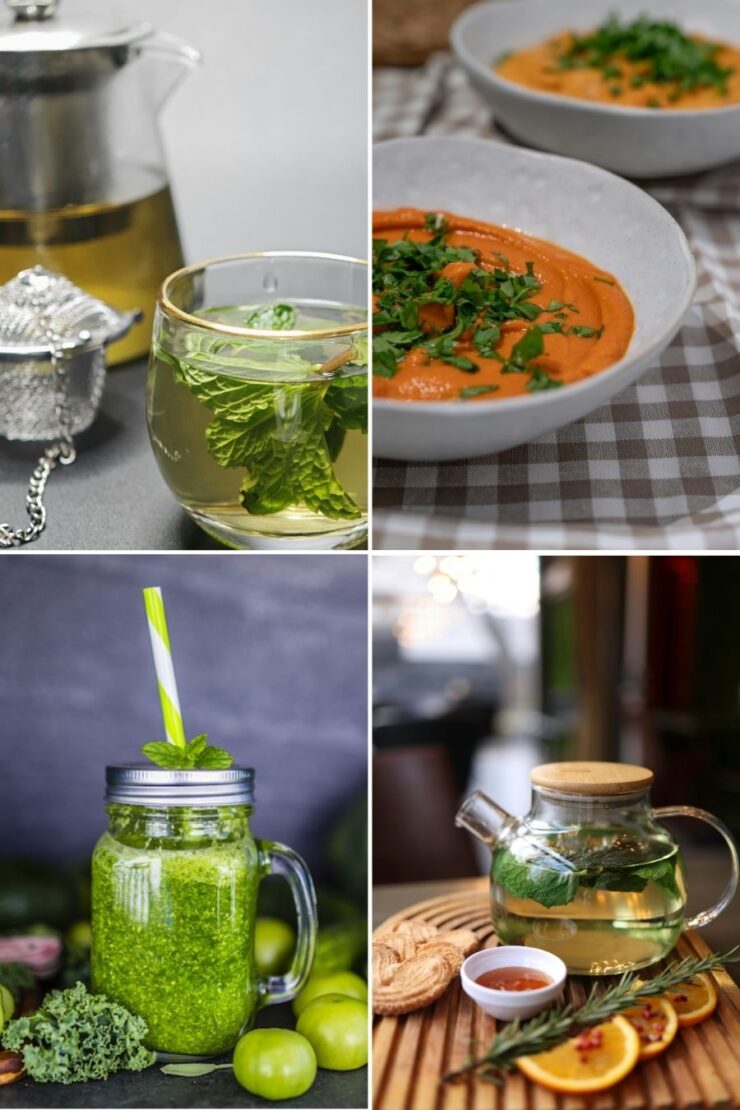
But here’s something many women don’t realize: mint, especially spearmint, has been studied for its potential to lower excess androgens (male hormones) in women. This can be helpful for conditions like hormonal acne or PCOS. It cools your body, so it helps with hot flashes. I make lots of teas from fresh mint, add them to lemonade or simply to water, which is delicious!
Dill: More Than Flavor
Dill brings that fresh, slightly tangy flavor. We Poles love dill, but I know that many people are wary of it. I invite you to give it a chance. Fresh dill is bright and brings aliveness to a dish. But beyond taste, it supports digestion by stimulating digestive enzymes and reducing gas.
Digestion is everything for hormonal balance. If you’re not breaking down and absorbing nutrients properly, your body doesn’t have the building blocks it needs to produce hormones like progesterone.
I love to eat dill with potatoes, stews, and soups.
Basil: Stress and Cortisol Support
Basil, especially holy basil (though regular basil has benefits as well), supports the body’s stress response. We live in a world of stress. Chronic stress elevates cortisol levels, which can disrupt the balance between estrogen and progesterone.
When cortisol is high for too long, your body prioritizes survival over reproduction. That’s when you start seeing irregular cycles, fatigue, and stubborn weight gain.
Adding fresh basil to meals, think pesto, salads, smoothies (I love the taste of fresh basil in smoothies!) or even infused water, gives your body subtle support in managing stress.
Rosemary: Brain and Circulation Boost
Rosemary is incredibly powerful when it comes to circulation and cognitive function. It increases blood flow, which helps deliver oxygen and nutrients throughout the body, including to your endocrine glands.
Better circulation means better communication between your brain and hormone-producing organs. It also supports liver function, again tying back to estrogen metabolism.
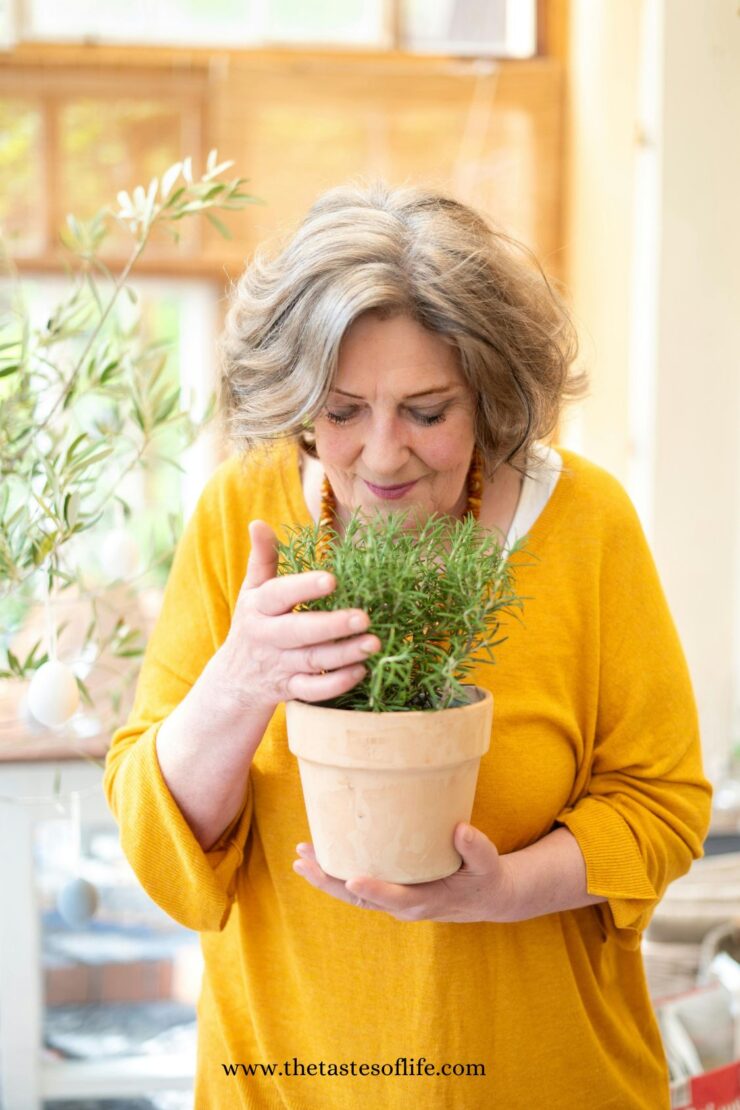
Cooking with rosemary, especially with roasted vegetables or proteins, is an easy way to integrate it regularly.
Thyme: Immune and Antimicrobial Support
Thyme is one of the strongest antimicrobial herbs. Also, it is easy to grow. It helps the body fight off harmful bacteria and supports respiratory health.
But here’s where it connects to hormones: chronic infections or imbalances in gut bacteria can interfere with estrogen metabolism. Your gut plays a key role in regulating estrogen levels through something called the estrobolome.
Want to save this recipe?
Keeping your gut environment balanced helps prevent excess estrogen from being reabsorbed.
I use thyme a lot in cooking. One of my favorite herbs, honestly. It adds so much flavor to the dish, and it’s used in many European dishes. I also make tea and use it in baking.
Cilantro: Heavy Metal and Detox Support
Cilantro has gained attention for its ability to bind to certain heavy metals and support detoxification. While it’s not a magic fix, it can be part of a broader strategy to reduce toxic load.
Environmental toxins can act as endocrine disruptors, mimicking estrogen in the body and contributing to imbalance.
Adding cilantro to your meals, smoothies, and juices helps support the body’s natural detox pathways.
Sage: Hormone and Brain Support
Sage has a long history in women’s health. I remember that women in my family used sage a lot for various ailments. It contains compounds that can mildly support estrogen activity, which becomes especially relevant during perimenopause when estrogen levels fluctuate.
Some studies suggest sage may help reduce hot flashes and night sweats. It also supports cognitive function and memory, which many women notice shifting during hormonal changes.
From a nervous system perspective, sage has a slightly calming effect. It helps take the edge off that wired-but-tired feeling that often comes with hormone imbalance.
In the kitchen, sage pairs beautifully with roasted vegetables, poultry, and even simple butter sauces. A little goes a long way; its flavor is bold, slightly earthy, and grounding.
Bay Leaves: Deep Digestive Support
Bay leaves are usually tossed into soups and forgotten, but while they simmer, they’re doing important work.
They help stimulate digestive enzymes, which improve how your body breaks down food. Better digestion means better nutrient absorption, including zinc, magnesium, and B vitamins, all essential for hormone production and balance. My family used bay leaves a lot in cooking because they have mild anti-inflammatory and antimicrobial properties, supporting gut health and relieving gas. And as we know, gut health plays a major role in estrogen metabolism.
I like to add them to broths, stews, soups, or sauces, and let them gently infuse into tea mixes. Just remember to remove them before serving; they’re not meant to be eaten whole.
Chives: Gentle Detox and Mineral Boost
Chives are part of the allium family, like garlic and onions, but much milder. They support liver detoxification and provide sulfur compounds that help the body process excess hormones, including estrogen.
They’re also rich in vitamin K and antioxidants, supporting blood health and reducing inflammation.
From a hormonal standpoint, anything that supports the liver is a win. If your liver is overwhelmed, hormones don’t get metabolized properly, which can lead to symptoms like bloating, fatigue, and skin issues.
I use chives a lot in cooking because they are delicate, fresh, and slightly oniony, perfect sprinkled over eggs, cooked potatoes, salads, soups, or even blended into dips.
Tarragon: Blood Sugar and Appetite Regulation
Tarragon has a subtle, slightly sweet, almost anise-like flavor that adds elegance to simple dishes. But behind that flavor, it supports blood sugar regulation.
Stable blood sugar is one of the most overlooked pieces of hormone balance. When blood sugar spikes and crashes, cortisol levels rise, disrupting the balance of estrogen and progesterone.
Tarragon has been studied for its potential to improve insulin sensitivity and reduce cravings. That makes it especially helpful for women dealing with energy dips, sugar cravings, or weight fluctuations during perimenopause. It also supports digestion and may help reduce bloating after meals.
Use it in dressings, with chicken or fish, or infused into vinegar for a simple, functional addition to your meals.
How to Actually Use These Herbs Daily
This is where people overcomplicate things. You don’t need elaborate recipes or protocols.
- Chop fresh herbs into salads
- Blend them into dressings and sauces
- Add them to soups at the end of cooking
- Make simple herbal teas
- Sprinkle generously over roasted vegetables or proteins
- Blend them in smoothies
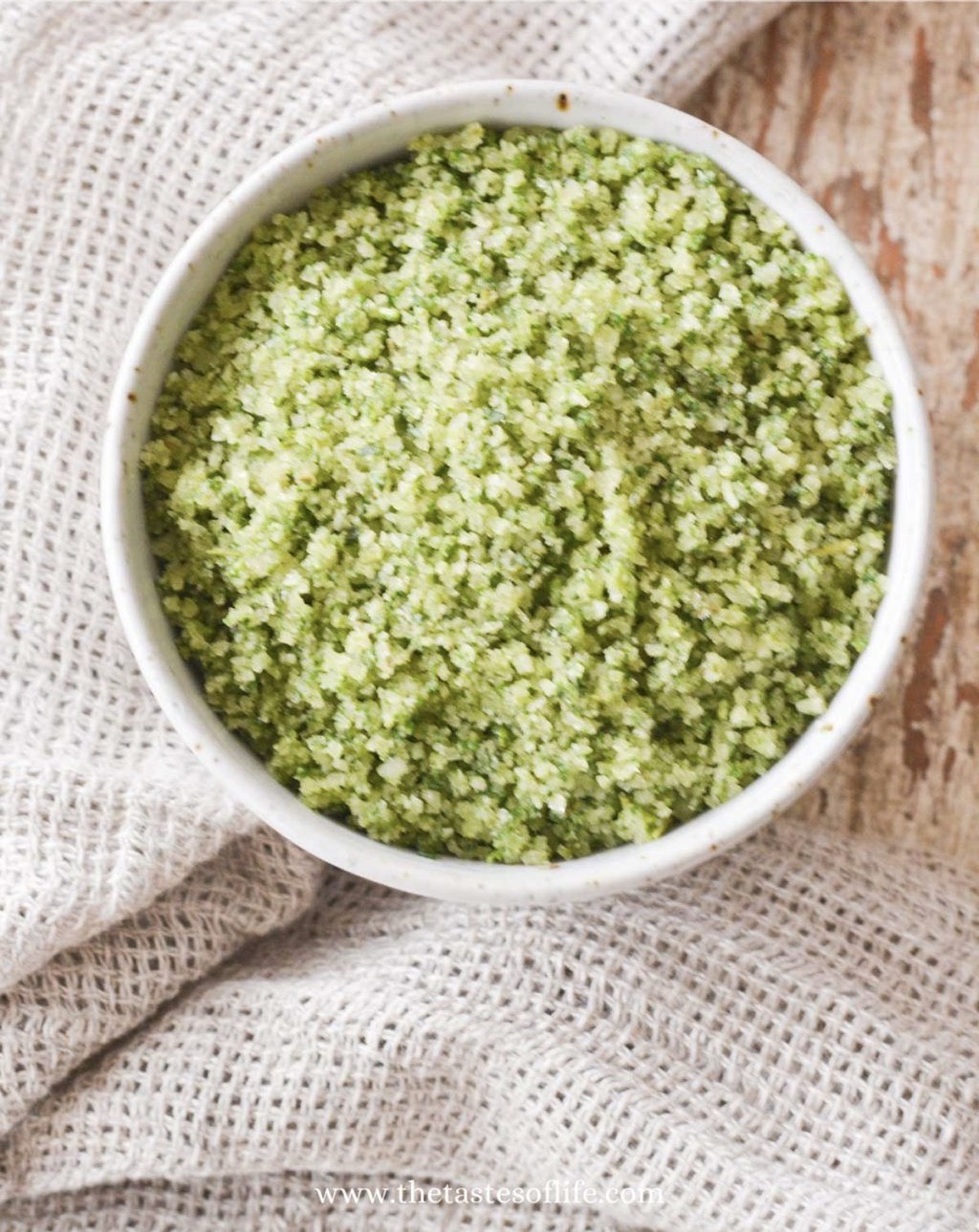
- How to use herbs in the kitchen.
Herbs are not a quick fix, but they are extremely supportive. They work through consistency. Small amounts, used daily, over time.
Hormone balance isn’t about one supplement or one “superfood.” It’s about supporting the systems that regulate hormones: the liver, the gut, the nervous system, and blood sugar regulation.
Love My Content? Buy Me a Coffee!
Creating these resources for you is my passion, and I love hearing how they’ve helped you on your health journey. If you appreciate my content and want to support my work, you can buy me a coffee to help fuel more tips, recipes, and inspiration. Every little bit means the world to me!