Beginner’s Guide to Meal Prepping for Busy Weeks

This beginner’s guide to meal prepping will help you save time, reduce food waste, and enjoy healthy meals all week long, with tips, recipes, and a simple formula to get you started.
Beginner’s Guide to Meal Prepping for Busy Weeks
I have to confess, growing up in Poland, I never meal prepped. We always ate fresh food, often picked up the same day from the market or straight from the garden. Plus, we had small flats, a kitchen, and small fridges, so we couldn’t do much meal prep. My mom would decide what to make based on what was in season, and we’d eat it that evening.
In the U.S., juggling work, clients, and a busy schedule, plus dealing with gut and hormone issues that led me to follow the AIP diet for a while, and I had to rethink my cooking habits. Well, since cooking for clients is my job, I decided to do the same thing for myself.
I couldn’t believe how meal prep helped me with getting my health on track, saving money, and time.
As a chef and nutrition consultant, I’ve seen firsthand how meal prepping can change someone’s week. It’s not about cooking for hours on end; it’s about creating a smart plan, doing a little batch cooking, and making sure you always have nutritious meals ready when life gets hectic.
What Is Meal Prep?
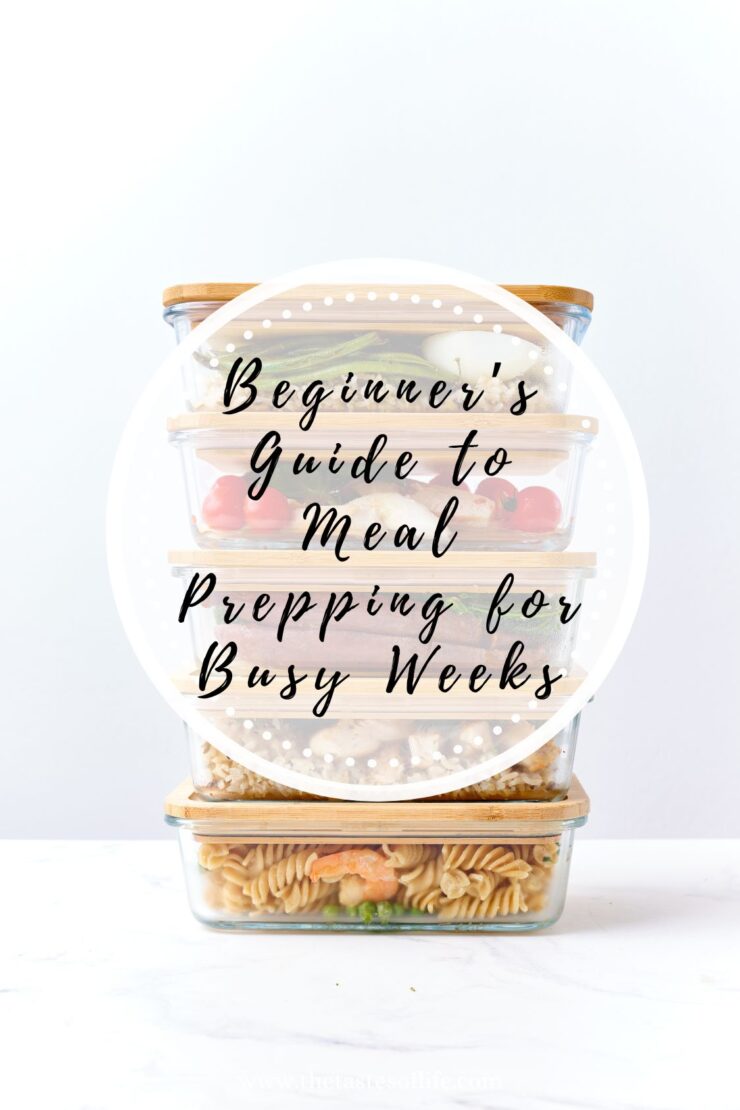
Meal prepping is simply planning and preparing some or all of your meals ahead of time, whether that’s for the entire week or just the next day. It can mean chopping fresh veggies, cooking large batches of lean protein, or portioning out overnight oats for quick make-ahead breakfasts. It can be preparing all the meals ahead of time, then portioning them for quick, grab-and-go meals. And for some “meal prep”, weekly food prep for the recipe ingredients.
Why Do Meal Prep?
Meal prepping is one of the best ways to save money, reduce food waste, and avoid those last-minute fast food runs when you’re tired. It also helps you stay consistent with healthy eating goals and reduces the stress of deciding what to make at the last second.
Who Is Meal Prep For?
People meal prep for different needs, busy parents, people recovering from diffrent health issues, professionals with little time, students on a budget, or anyone trying to eat better. Whether your goal is weight loss, better energy, or simply fewer dishes during busy weeknights, meal prepping is a good thing.
What Can You Prep?
You can prep just about anything: root vegetables like sweet potatoes and carrots, chicken breasts, brown rice, bell peppers, mason jar salads, hard-boiled eggs, fresh fruit, peanut butter energy bites, even make-ahead meals for the freezer. You can cook a whole dish, leave it in the fridge for whenever you are ready to eat, or simply prep the ingredients for that dish and then cook it on the day you want. The fun part is finding different ways to combine prepped ingredients into other meals throughout the week.
What Happens When You Skip Meal Planning?
I’ve been there, no grocery list, no plan, and a fridge full of random ingredients that don’t make a full meal. So many people are in teh same boat. You not only end up wasting so much food and scrambling for dinner ideas, which can lead to spending more money or falling back on quick but less nutritious options, but also looking at your fridge, you just decide to go out because you do not want to cook and grab something that is not really healthy.

How to Plan
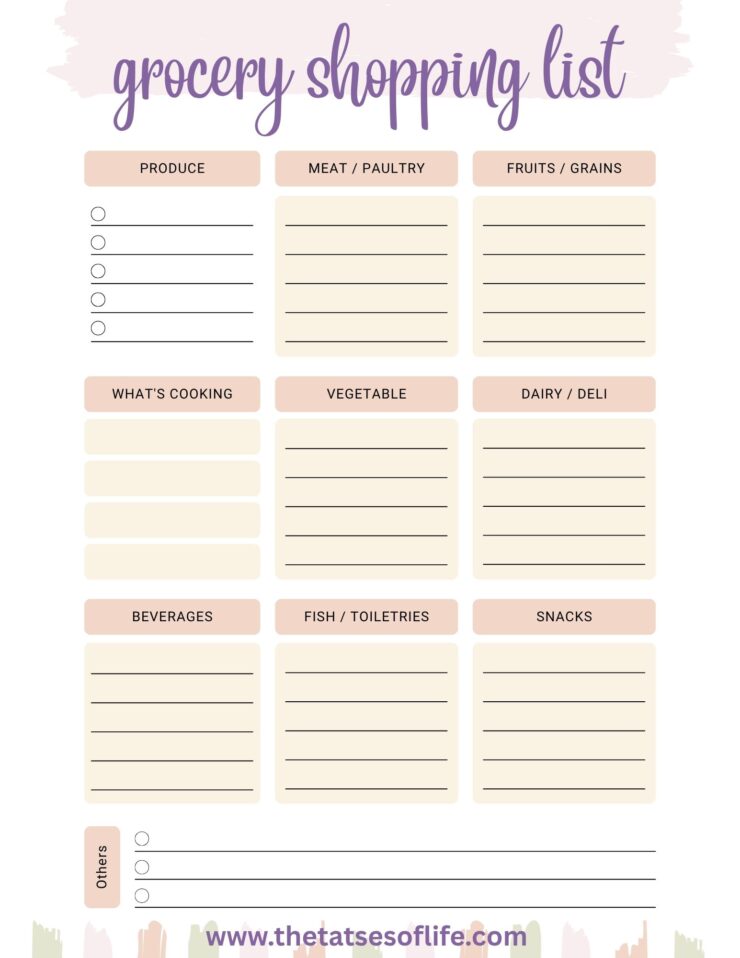
The first step to successful meal prepping is putting together a meal plan. Having a plan gives you a clear view of your upcoming week, so you can head to the grocery store with a complete list and grab everything in one trip.
If I’m meal prepping full recipes, I simply increase the serving sizes to cover however many days I want ready-to-go meals. For general food prep, meal planning helps me coordinate recipes so I can use overlapping ingredients and save time. For example, if I’m making fajitas and burritos in the same week, I’ll chop all my onions and peppers at once, no need to repeat the same task twice.
Every household approaches meal planning a little differently, and that’s the beauty of it. Your meal prep routine should be tailored to your needs, your schedule, and even your favorite flavors. There’s no single “right” way, just the way that works best for you.
Start with your grocery shopping list for the upcoming week. Think about the kinds of food you’ll need for breakfast, lunch, dinner, and snacks. Choose your favorite recipes and a few new recipes for variety. Batch cook large batches of lean protein, grains, and fresh veggies so you can assemble them into full meals quickly.
How Long Do Meals Stay Good?
Most cooked meals last up to 7 days in airtight containers in the fridge. Certain fresh produce, like cut bell peppers or carrots, can last even longer. Use silicon freezer bags to store extra portions and avoid freezer burn if you want to stretch meals for the whole week or longer.
Want to save this recipe?

How to Start
When I start my weekly food prep, I tackle the ingredients that take the longest to cook, things like proteins, root vegetables, and legumes first. I’ll roast or cook a big batch all at once, so later in the week I can pull from those ready-made components and quickly put meals together.
If you’ve got a slow cooker or Instant Pot, let them handle your grains for an easy, hands-off approach.
For meats, I prefer grilling, baking, or even smoking them so I’m not stuck hovering over a sauté pan.
While the proteins, grains, or veggies are cooking, I make the most of that time by washing and chopping fresh produce. If three recipes call for chopped onion, I’ll chop all of it at once and store it in one container (or portion it into separate containers) in the fridge.
I also like to prep fruit and veggies for snacks and lunches at the same time. Sometimes I portion them into individual containers for grab-and-go ease, and other times I keep them all together so I can scoop out what I need.
Not everything I prep has a recipe in mind. I love the flexibility of having a basic formula: Protein + Grain/Starch + Veggie. That might look like baked chicken thighs with roasted sweet potatoes and a fresh garden salad. With all those pieces ready to go, assembling a healthy plate takes just minutes.
One of my favorite ways to keep things interesting is to make sauces and dressings. I’ll whip up one or two each week, maybe a vibrant pesto, creamy aioli, nut sauces, tangy tzatziki, classic remoulade, spicy mayo, or diffrent dressing for the salads, to instantly change the flavor of my prepped foods.
My Meal Prep Formula
I follow a simple ratio:
- Protein – chicken breasts, lean ground meat, or plant-based options
- Vegetables – fresh veggies, roasted root vegetables, leafy greens
- Carbs – brown rice, quinoa, sweet potatoes, or gluten-free pasta
- Healthy fats – avocado, olive oil, nuts, or seeds
Mix and match for different meals without feeling like you’re eating the same thing every day.

Equipment You Need
- Glass containers – great for seeing what you have and safe for reheating hot foods
- Mason jars – perfect for mason jar salads or overnight oats
- Silicone Freezer bags – for large batches and pre-made meals
- Separate containers – to keep portion sizes accurate
- Slow cooker – a great thing for cooking large batches of soups, stews, or shredded meat
Steps to Meal Prepping
- Make a Plan – Start with a realistic meal prep plan for the upcoming week. Look at your calendar, note busy weeknights, and decide which meals you want to have ready.Find the recipes that you want to make.
- Create a Grocery List – Write down exactly what you need based on your meal prep recipes. This keeps grocery store trips quick and helps prevent food waste.
- Shop Smart – Choose fresh produce, lean protein, and pantry staples that can be used in different ways.
- Wash and Chop – Prep fresh veggies like bell peppers, carrots, and leafy greens so they’re ready to cook or eat.
- Cook Ingredients – Batch cooking is key, make large batches of protein, grains like brown rice, and root vegetables like sweet potatoes. Use a slow cooker for hands-off cooking meals.
- Cool and Portion – Let hot foods cool to room temperature before storing. Divide into individual portions or full meals, depending on your needs.
- Store Properly – Use airtight containers, silicone freezer bags, or glass containers to keep food fresh and avoid freezer burn.
- Label and Rotate – Write the date on containers so you know when to eat them. Use the “first in, first out” method to ensure nothing goes to waste.
Eco-Friendly Meal Prep Equipment
Instead of disposable plastic, I love using glass containers; they’re durable, safe for reheating, and help you see exactly what’s inside. Mason jars are perfect for salads, overnight oats, and make-ahead breakfasts, while stainless steel lunch boxes are a good thing for keeping food fresh without the waste.
Silicone freezer bags are a great alternative to single-use plastic and can be used for everything from storing fresh veggies to freezing pre-made meals.
Even bamboo cutting boards and compostable dish cloths can make your meal prep routine more sustainable while reducing the amount of much food packaging that ends up in the trash.
Ready to Get Started?
Here are some of my healthy meal prep recipes to try:
- Slow-cooked braised beef
- Apple cider braised pork shoulder
- Fall roasted vegetables
- Mexican black beans
- Bigos
- Country bison stew
- Coconut lentil curry
- Polish stuffed cabbage
- Make-ahead breakfasts like overnight oats
- Turkey chili for a week’s worth of hearty, delicious meals
Share Your Wins
Meal prepping has given me a head start on busy times, reduced my stress, and helped me heal my gut and balance my hormones. I’d love to hear your own healthy meal prep ideas and what’s worked for you—because sharing recipe inspiration is half the fun.
Love My Content? Buy Me a Coffee!
Creating these resources for you is my passion, and I love hearing how they’ve helped you on your health journey. If you appreciate my content and want to support my work, you can buy me a coffee to help fuel more tips, recipes, and inspiration. Every little bit means the world to me!