5 Seasonings Every Home Cook Needs for Delicious Dinners

Discover the five essential seasonings every home cook needs to create delicious dinners and keep on hand to transform simple meals into nourishing, flavorful dishes.
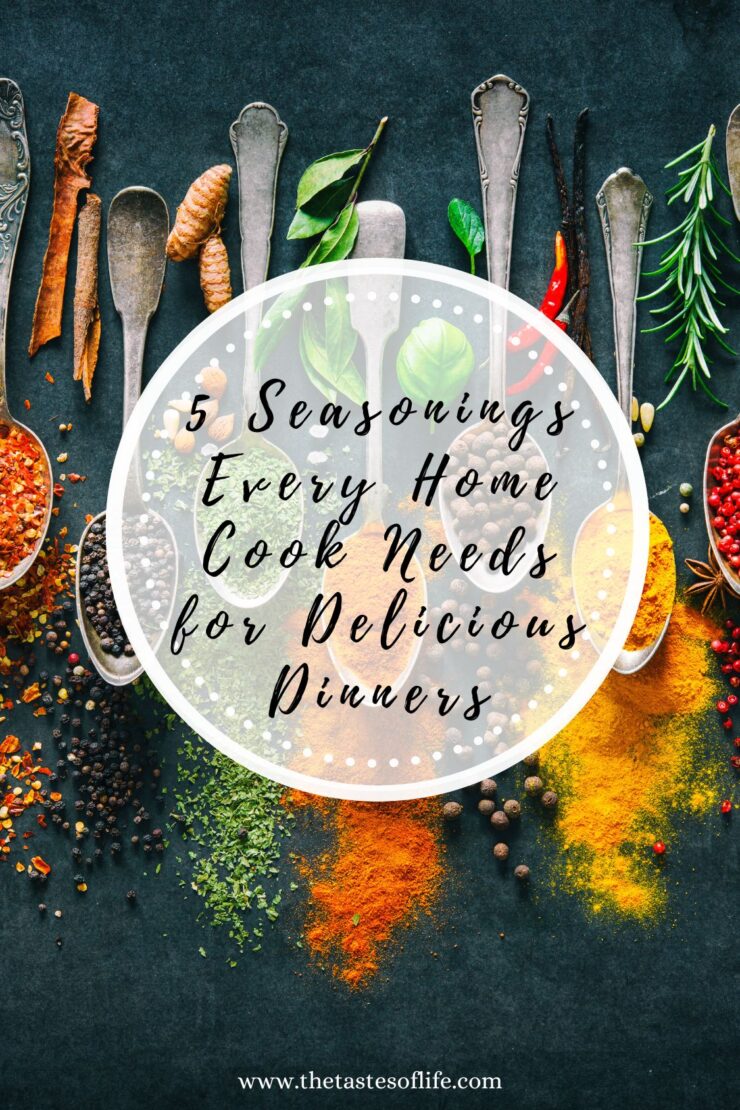
Five Essential Seasonings Every Home Cook Should Keep on Hand
When people ask me how to make their cooking more flavorful without spending hours in the kitchen or relying on complicated recipes, my answer is always the same: it’s about your seasonings. You can take the simplest ingredients, think chicken, roasted vegetables, or even a pot of beans, and turn them into something crave-worthy just by knowing which spices to reach for. Good seasoning isn’t about masking food; it’s about bringing out its best qualities. If you want to learn more about spices, go to The Ultimate Guide to Spices and Herbs.
As a chef and nutrition consultant, I’ve spent years experimenting with different blends, herbs, and spices in my kitchen, professional kitchens and my clients’ homes. I’ve seen firsthand how a pinch of the right seasoning can shift a meal from flat and boring to something that makes people light up at the table. And here’s the best part: you don’t need an overflowing spice cabinet to do it. In fact, I believe there are five seasonings every home cook should always keep stocked. With these, you’ll be able to make dinner taste delicious, regardless of the ingredients you’re working with.
Spices are the heart of cooking. They’re not just extras you sprinkle in at the end, they’re what take a simple ingredient and make it taste extraordinary. Think about it: chicken on its own is pretty plain. But season them right, and suddenly you’ve got crispy Cajun chicken wings, Jamaican jerk chicken. Shrimps become delicious tacos or spicy shrimp skewers that taste like they came from your favorite restaurant. The difference is always in the spices.
When I teach cooking classes, I see how overwhelming it can feel to stand in front of a giant wall of spice jars at the store and wonder what you really need. Do you go for the basics like salt, pepper, and onion powder, or dive into the hundreds of blends and bottles you’ve never used before? When you’re just starting out, it’s easy to buy too much, or worse, nothing at all, because the choices feel paralyzing.
Here’s the truth: you don’t need to collect every spice under the sun. A well-chosen handful of seasonings can transform your pantry staples into crave-worthy dinners again and again. And once you’ve got those down, you can always explore more adventurous blends, things like berbere, garam masala, za’atar, or Cajun seasoning, depending on what inspires you.
When it comes to quality, I always recommend going beyond the supermarket shelves if you can. Independent spice companies often sell fresher, more potent spices that make a huge difference in taste. Some of my favorite sources are Victoria Taylor’s The Spice Way, as well as brands that truly care about sourcing and freshness.
But let’s start simple. If you’re wondering where to begin or which spices will add the most flavor to your cooking, I’ve narrowed it down to the essentials.
This website may contain affiliate links, which means I may earn a small commission at no extra cost to you if you purchase through these links. As an affiliate, I only recommend products or services I genuinely use and love. Check the affiliate disclosure here.
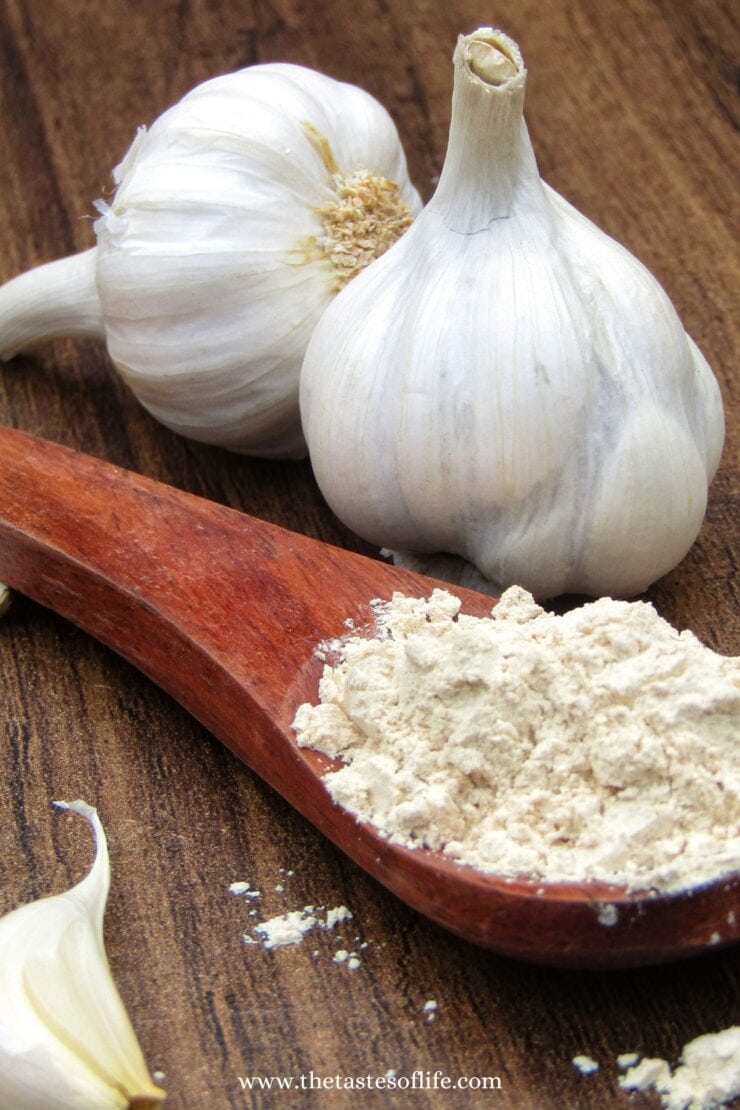
1. Garlic Powder – The Everyday Hero
I can’t tell you how many times garlic powder has saved me when I’m short on time or when I’ve already used up the fresh garlic in my basket. I It adds depth and warmth to almost any savory dish. The beauty of garlic powder is that it dissolves right into sauces, soups, and marinades, creating a gentle background flavor that ties everything together.
For busy weeknights, I’ll sprinkle it over roasted vegetables with olive oil and sea salt, it gives them that irresistible, almost sweet roasted-garlic flavor without the peeling and chopping. I also use it in rubs for chicken or turkey when I want the seasoning to really sink in. I add it to homemade spice blends where fresh garlic would be too sharp or overpowering. It’s not fancy, but it’s reliable, and I love reliable in my kitchen.
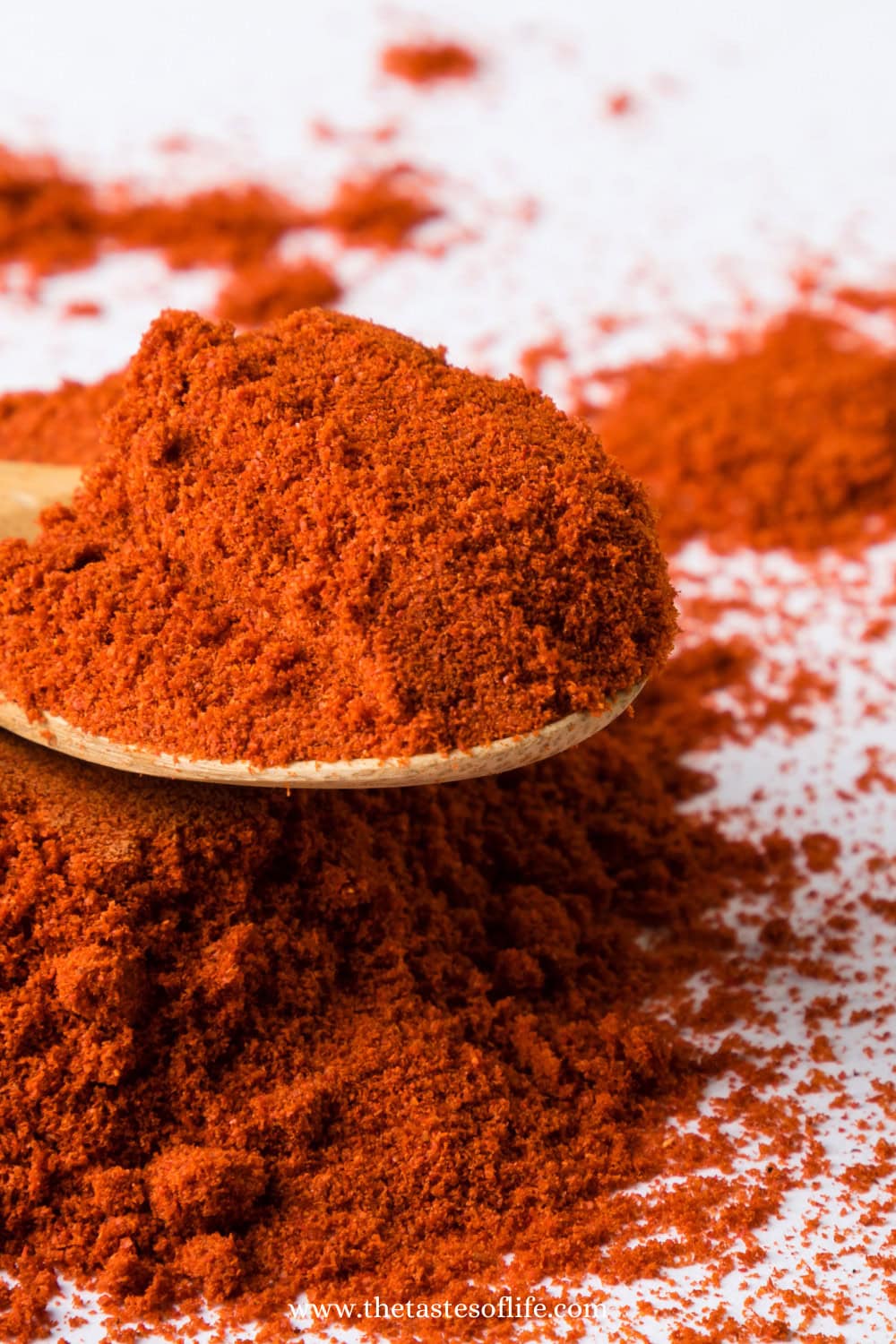
2. Smoked Paprika – Depth in a Jar
If garlic powder is the steady friend, smoked paprika is the bold one that adds intrigue. This seasoning instantly improves the flavor of the dish by adding a subtle smokiness and vibrant color. It reminds me of outdoor cooking, like food slowly roasted over wood, even when I’m just standing over my stove on a Tuesday night.
I use smoked paprika to give roasted potatoes or sweet potatoes that earthy warmth, and it’s amazing sprinkled over sautéed shrimp or added into a pot of chili. It also does wonders in plant-based dishes, lentil stews or roasted cauliflower come alive with a dusting of smoked paprika. When I was cooking for a client who was transitioning to eating more vegetables, smoked paprika became our secret weapon; it gave depth and satisfaction to meals that might have otherwise felt too light.
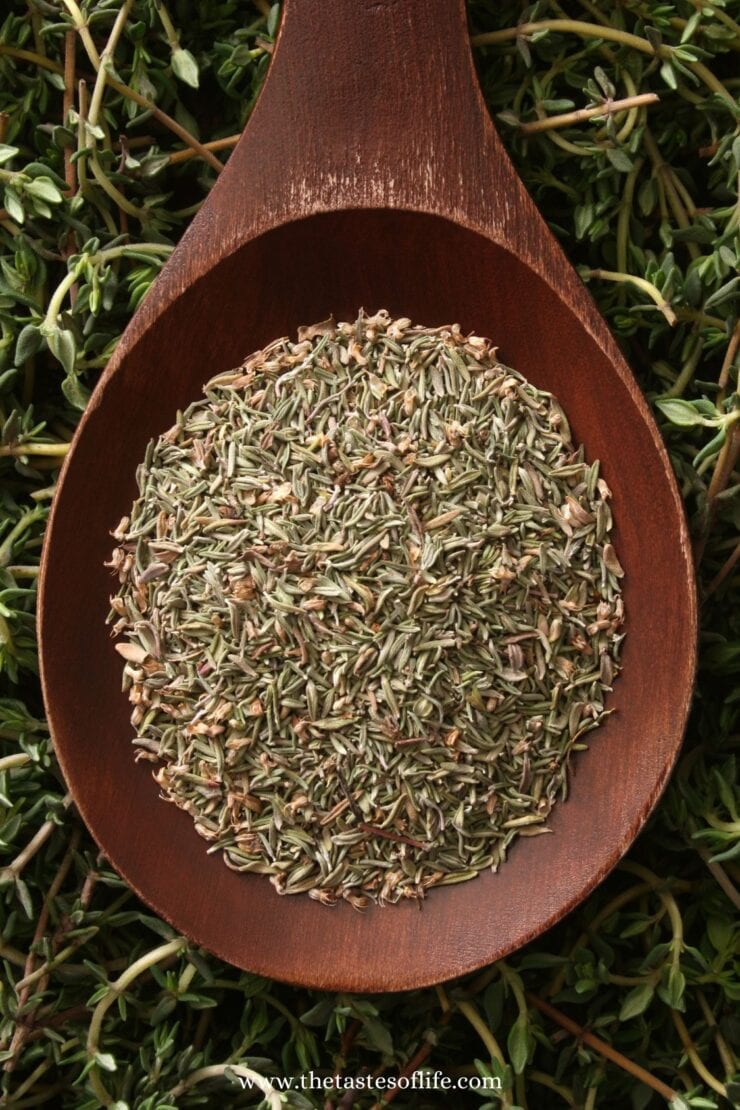
Thyme – The Underrated Flavor Builder
Thyme is one of my favorite herbs because it’s subtle yet powerful. It has this woodsy, slightly floral note that deepens the flavor of soups, stews, and roasted meats. Whenever I’m making a slow-cooked dish, like beef, pork, chicken, lamb, or even beans, thyme is the seasoning I reach for. It doesn’t overwhelm; it layers in complexity in the background, almost like a secret ingredient that no one can quite put their finger on.
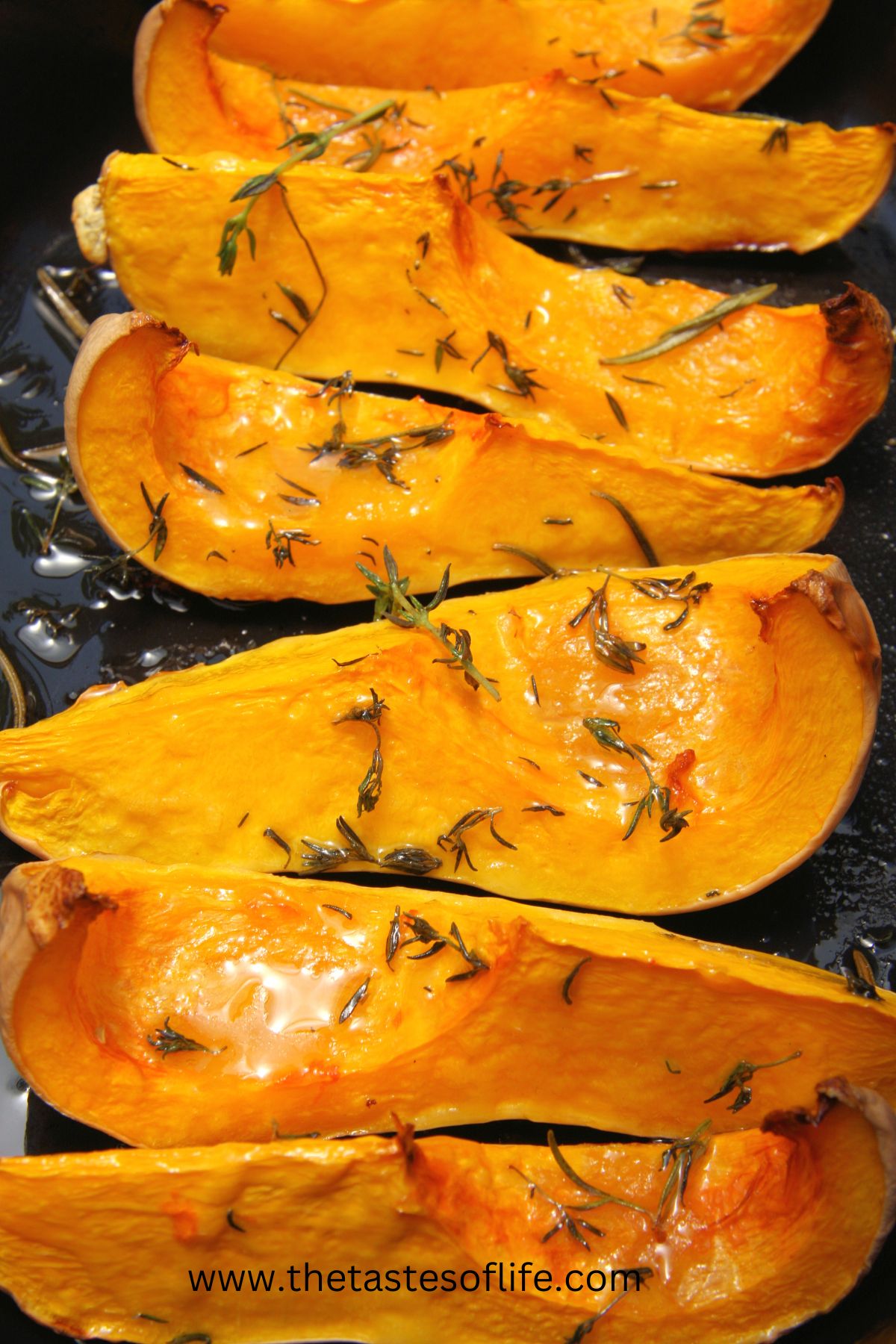
I often add a pinch of dried thyme to roasted vegetables, especially carrots, parsnips, or potatoes, to give them a rustic, comforting flavor. I like to use fresh thyme, but dried thyme is more practical for everyday cooking and still packs plenty of flavor. I like to rub it between my fingers before sprinkling it in; that little action wakes up the oils and intensifies the aroma.
Want to save this recipe?
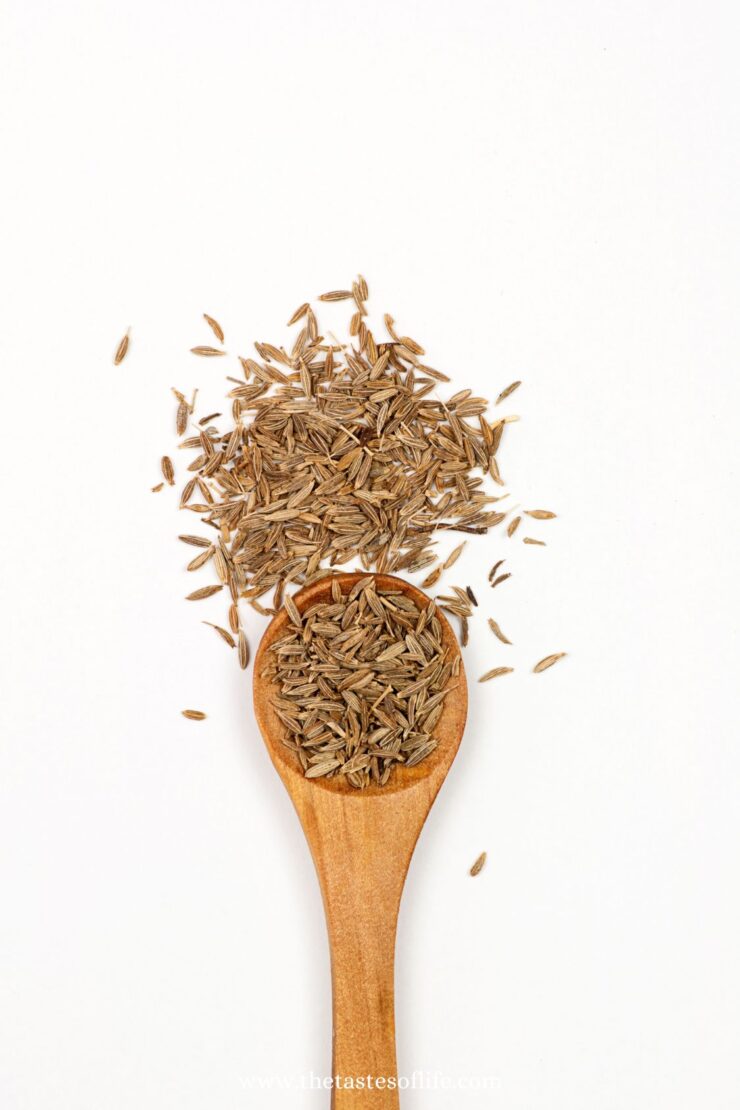
4. Cumin – Earthy and Comforting
Cumin is one of those spices that feels grounding. Its earthy, almost nutty aroma can make even the simplest meals taste layered and complex. I fell in love with cumin while traveling, and it has stayed a constant in my spice drawer ever since.
When I make roasted vegetables, I often sprinkle a little cumin along with smoked paprika. The two together create this smoky, earthy, slightly sweet combination that makes carrots, squash, or even chickpeas taste addictive. Cumin is also key in Mexican cuisine, which I adore. Homemade taco seasoning gives that unmistakable depth that makes everything taste authentic and satisfying.
What I love most is how cumin blends beautifully across cuisines: you’ll find it in Mexican, Indian, Middle Eastern, and North African cooking. For me, it’s a reminder of how interconnected food traditions are around the world. And when I need to make a pot of beans taste like something special, cumin is always my go-to.
5. Sea Salt – The Non-Negotiable
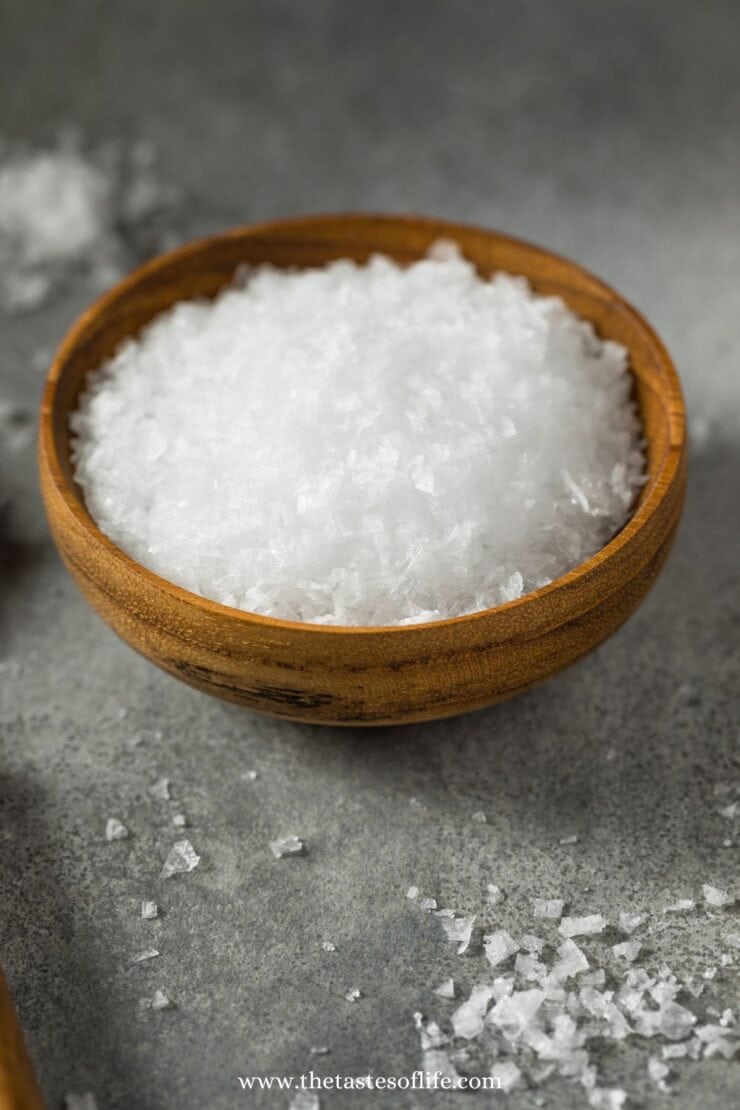
If I had to choose just one seasoning, it would be high-quality sea salt. So often, people tell me their food tastes bland, and when I ask how much salt they used, the answer is usually “just a little.” Salt isn’t about making food taste salty, it’s about unlocking flavor. It brings balance, rounds out harsh edges, and makes ingredients taste more like themselves.
I prefer sea salt over table salt because it’s less processed and has a cleaner flavor. A good flaky sea salt sprinkled on roasted vegetables or grilled fish can be transformative. Even when I make soups, I add salt in layers as I cook rather than dumping it in at the end; that way, each ingredient is seasoned and shines on its own. Salt is a simple seasoning, yes, but mastering how to use it can take your cooking from “fine” to “wow.”
Putting It All Together
With just these five seasonings, garlic powder, smoked paprika, dried oregano, cumin, and sea salt, you can build countless flavor profiles. For example:
- Roasted vegetables with olive oil, garlic powder, cumin, and smoked paprika.
- A quick Mediterranean marinade with lemon juice, oregano, and sea salt.
- A cozy pot of beans simmered with cumin, garlic powder, and smoked paprika.
I like to think of these seasonings as building blocks. You don’t need an overwhelming spice rack to be a great home cook. You just need the right tools, and once you know how to use them, the possibilities are endless.
Why I Always Grind My Whole Spices (and Why You Should Too)
One of the simplest ways to elevate your cooking doesn’t involve fancy equipment or complicated techniques; it’s as easy as grinding your own spices.
When I first started cooking professionally, I quickly realized that pre-ground spices lose their flavor shockingly fast. They might smell nice when you open the jar, but after a few months, they turn flat and lifeless. Whole spices, on the other hand, hold onto their essential oils and aroma until the moment you grind them. That means you get fresher, bolder, and more complex flavors every time. Trust me, this will completely change your dish and make it taste amazing!
As a chef I treat spices like medicine. They don’t just add flavor, they carry powerful antioxidants and compounds that support our health. Grinding them fresh ensures you’re getting the most out of those benefits, not just a faint whisper of what they once were.
I keep a small coffee grinder (dedicated only to spices,) in my kitchen, and it’s one of my most-used tools. Toasting whole cumin or coriander seeds, then grinding them, fills the kitchen with this intoxicating aroma that no store-bought jar can match. Even black pepper tastes completely different when it’s freshly cracked.
Here’s the best part: it only takes a few seconds, and the payoff is huge. That pinch of freshly ground spice can transform a simple pot of beans, a roasted chicken, or even a humble vegetable soup into something vibrant and unforgettable.
So if you’ve never tried grinding your own spices, start small. Pick one, maybe black pepper, cumin, or cardamom, and see the difference. I promise, once you taste it, you’ll never want to go back.
Cooking at home should be easy, not overwhelming. When you have a few trusted seasonings, it takes the stress out of “what’s for dinner” and turns it into something enjoyable.
These five essentials have become my kitchen staples not because they’re trendy, but because they consistently deliver. They give me flexibility, they help me cook intuitively, and they make even the simplest meals shine.
If you’ve ever stood in front of your pantry wondering how to make dinner taste better, start here. Stock these five seasonings, learn to trust your taste buds, and watch how much more fun and flavorful your cooking becomes.
Love My Content? Buy Me a Coffee!
Creating these resources for you is my passion, and I love hearing how they’ve helped you on your health journey. If you appreciate my content and want to support my work, you can buy me a coffee to help fuel more tips, recipes, and inspiration. Every little bit means the world to me!