Pork Tenderloin with Juniper Sauce


Tender pork tenderloin with juniper sauce, rosemary, thyme, garlic, and white wine. A cozy Polish-inspired dinner recipe full of earthy, savory flavor.

Pork Tenderloin with Juniper Sauce
Some dishes immediately make me think of home.
Not necessarily a particular kitchen or a specific meal, but that feeling of walking into a warm house when it’s cold outside and smelling something savory cooking on the stove. This pork tenderloin with juniper sauce is one of those dishes for me.
As a nutrition consultant and chef, I love recipes and sharing my homeland recipes with people. The pork is tender and juicy, the sauce is deeply aromatic, and the juniper berries bring a woodsy, slightly piney flavor that makes the whole dish taste much more interesting than the ingredient list would suggest.
And I have to say this: juniper berries are seriously underrated in the kitchen.
They are particularly wonderful with pork because their earthy, almost forest-like flavor cuts through the richness of the meat beautifully. Add rosemary, thyme, garlic, fennel seeds, and a splash of dry white wine, and suddenly your kitchen smells like something very delicious is happening. Which, thankfully, it is.
Why This Recipe Works
The trick with pork tenderloin is not to overcook it. Pork tenderloin is wonderfully lean, which means it can go from juicy to dry surprisingly quickly.
I like to sear it first. That creates a beautiful browned exterior and gives the pan all those caramelized little bits that eventually become part of the sauce.
Then comes the fun part.
The juniper berries, herbs, garlic, fennel seeds, white wine, and chicken broth simmer together to create a sauce that is savory, aromatic, and slightly wild-tasting.
The flavor reminds me of the forests I grew up around in Poland.
This isn’t a heavy cream sauce. And honestly, I don’t think it needs one. The wine and broth create a lighter sauce that lets the juniper and herbs do their thing. You can also try my juniper berry baby back ribs.
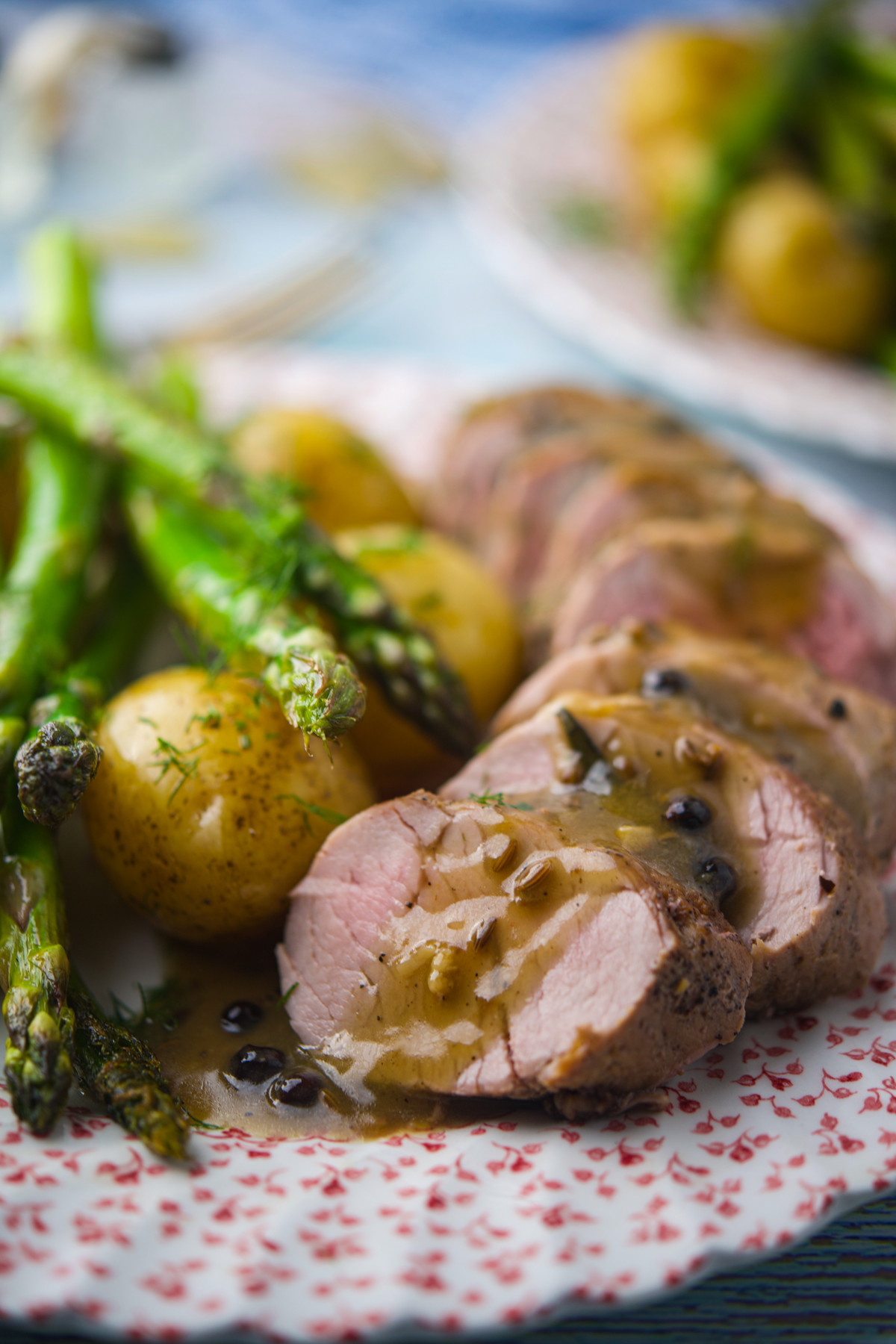
Ingredients for Pork Tenderloin with Juniper Sauce
This website may contain affiliate links, which means I may earn a small commission at no extra cost to you if you purchase through these links. As an affiliate, I only recommend products or services I genuinely use and love. Check the affiliate disclosure here.
Did you know?
Juniper berries have a wild, foresty flavor. Juniper tastes somewhere between pine, rosemary, pepper, citrus and dark berries. That’s why it works so beautifully with pork and game meats. It gives meat a flavor that feels almost like you’ve wandered into a forest.
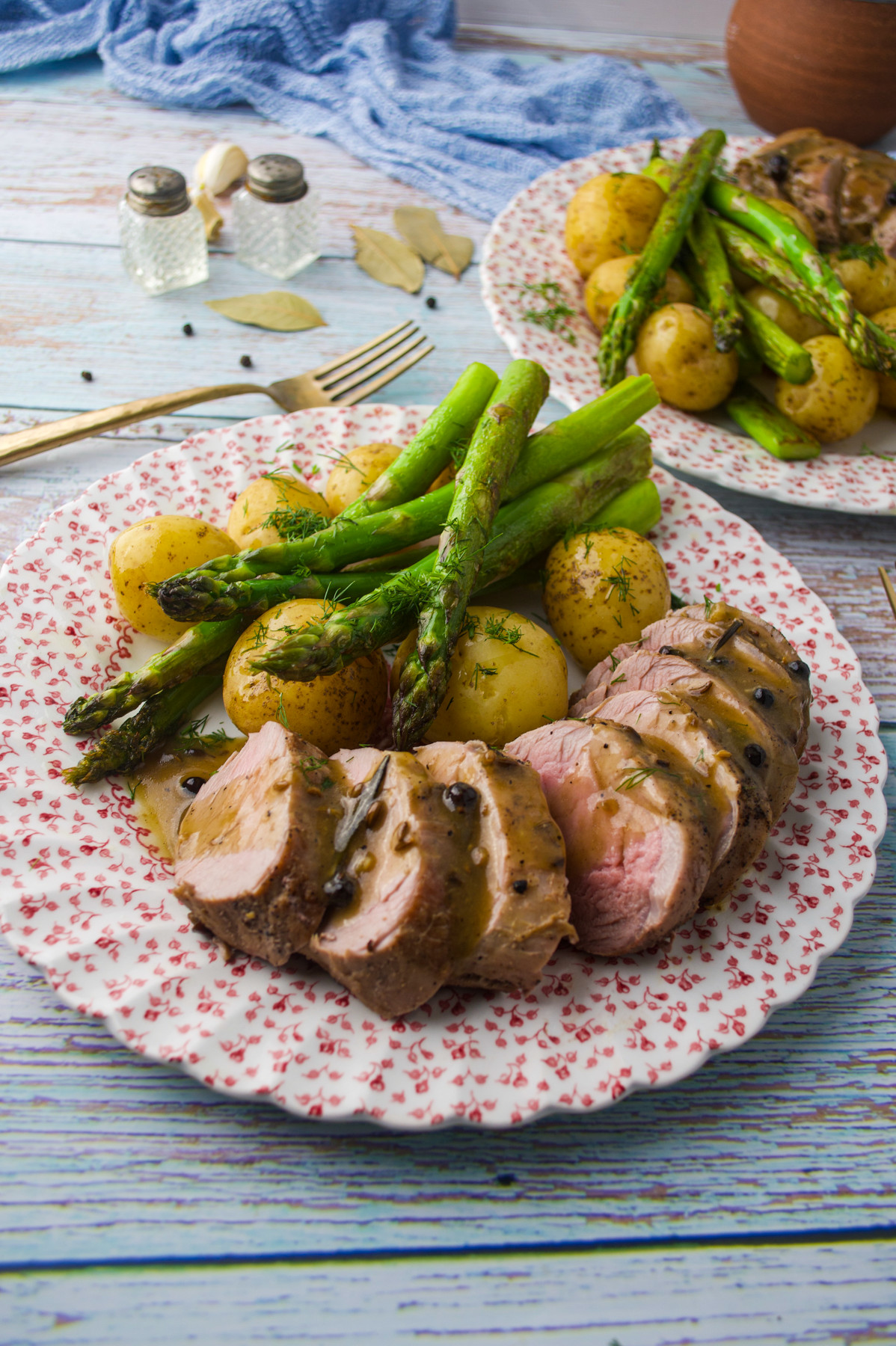
How to Make Pork Tenderloin with Juniper Sauce
- Pat the tenderloin dry with paper towels and season it generously with salt and freshly ground black pepper.
- Preheat the oven to 400F and move the rack to the middle position.
- Heat a little olive oil in a large skillet over medium-high heat. When the pan is hot, add the pork tenderloin and sear it on all sides. You want that beautiful golden-brown crust. We’re not cooking the pork all the way through yet. We’re building flavor first. So, cook for about 3-4 minutes per side.
- Remove the pork from the pan and put it on a cooking sheet lined with parchment paper. Transfer it to the oven. Bake for 20-25 minutes, or until it reaches 145°F. Then rest the pork for 5-10 minutes before slicing it. Keep the juices.
- Now add the garlic, fennel seeds, rosemary, thyme, bay leaves and crushed juniper berries to the same pan. Give everything a quick stir.
- Pour in the dry white wine and scrape the bottom of the pan with a wooden spoon. Those browned bits are flavor gold. Add the chicken stock and leftover juices from baking the pork, and simmer for 10 minutes to reduce slightly. Season with salt and pepper.
- Strain the sauce through a mesh sieve.
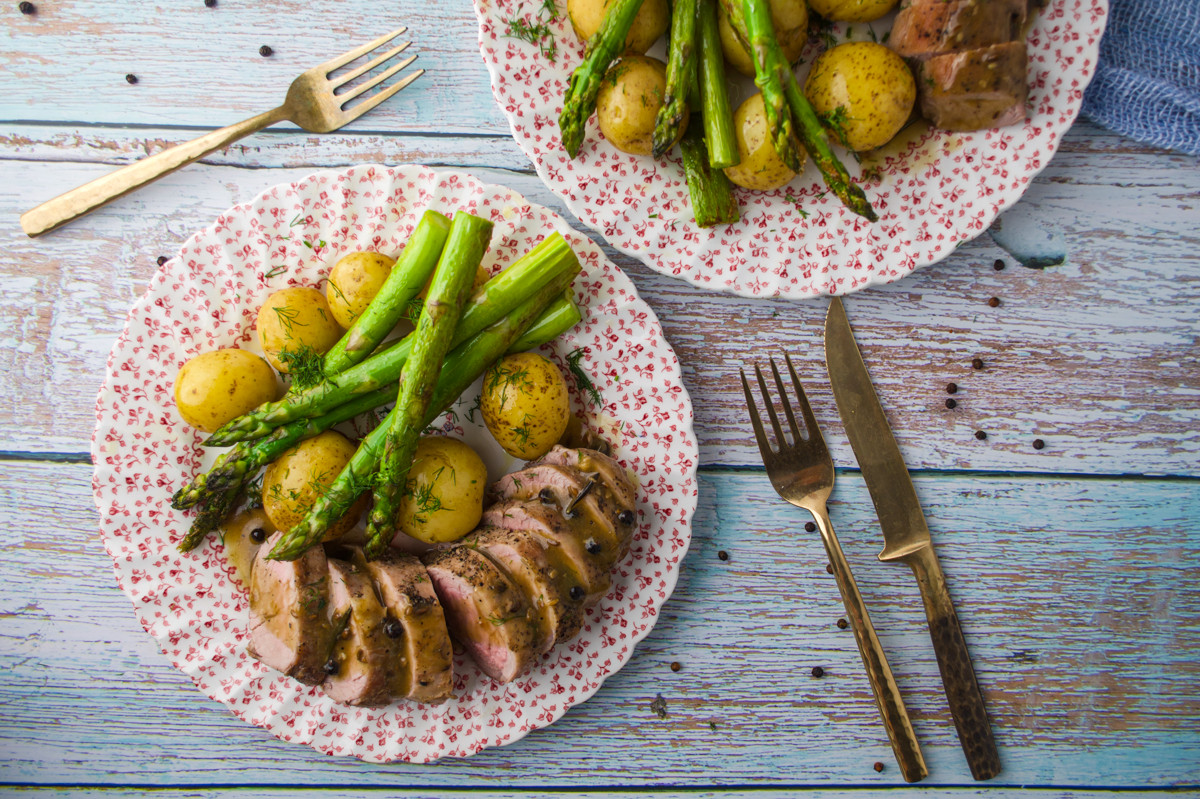
- Plate the pork and pour over the juniper sauce.
Recipe Testing Notes
This is one of those recipes where a few small details make a big difference.
The biggest one is the pork. I would much rather use a thermometer than guess when pork tenderloin is done. Because tenderloin is so lean, even a few extra minutes can change it from juicy and tender to noticeably dry.
Want to save this recipe?
I also recommend lightly crushing some of the juniper berries before adding them. You don’t need to pulverize them. Just crack them enough to release their oils and flavor into the sauce.
And don’t go crazy with the juniper. It’s powerful. The first time you cook with juniper, it can be tempting to think, “More must be better.” Nope. A small amount gives you that beautiful forest-like aroma. Too much and suddenly you’re drinking Christmas-tree perfume and can become very bitter and it wil ruin the dish.
Ask me how I know. 😉
I also found that fennel seeds work beautifully here, but they should stay in the background. They’re there to make you wonder, “What is that delicious flavor?” rather than announce themselves. That’s my favorite kind of seasoning.

Ways to Serve
- With mashed potatoes because they are perfect for catching every drop of the juniper sauce.
- With Polish young potatoes or roasted asparagus.
- With roasted root vegetables – carrots, parsnips and potatoes bring out the earthy character of the sauce.
- With pomegranate apple salad, fig salad, warm carrot salad or Polish beet salad.
- With Polish braised sauerkraut, celeriac purre, or Polish red braised cabbage.
Why Use Juniper Berries in Cooking?
Juniper berries have a very distinctive flavor. Think pine, herbs, pepper and a little citrusy fruitiness all rolled into one tiny berry.
They’re not actually a berry in the traditional botanical sense. They’re the seed-bearing cones of the juniper plant, and they’re most famous for being used to flavor gin.
But don’t let gin have all the fun.
Juniper has a long history in European cooking and is especially lovely with rich meats such as pork, duck, venison and game.
For me, the magic is in the contrast.
Pork has a gentle richness. Juniper brings something wild, aromatic and slightly sharp to the plate. It makes a simple pork tenderloin taste much more intriguing.
If you’ve never cooked with juniper before, this is a wonderful place to start. Just remember: a little goes a long way.
Storage
Store leftover pork and sauce together in an airtight container for up to 3 days. Gently reheat the pork in the sauce over low heat. Avoid blasting it in the microwave, which can make the tenderloin tough.
FAQ
Can I use dried herbs instead of fresh?
Yes. Dried rosemary and thyme will work, although fresh herbs give the sauce a brighter, more aromatic flavor. If substituting dried herbs, use less because their flavor is more concentrated.
Where can I find juniper berries?
Look for dried culinary juniper berries here or in larger grocery stores, specialty food shops, spice stores or online. Make sure they’re sold as culinary juniper berries.
Can I make this without wine?
Absolutely. Replace the white wine with additional chicken broth and add a small splash of lemon juice or white wine vinegar toward the end if the sauce needs a little acidity.
Enjoy!
Pork Tenderloin with Juniper Sauce
Equipment
- Cookie sheet
Ingredients
- 2.5 lbs Pork lion or less
- 2 tbsp Lard
- 1/4 tsp Salt
- 1/4 tsp Black pepper
- 2 tbsp Juiper berries slightly crushed
- 4 sprig Rosmeary
- 4 sprig Thyme
- 3 cloves Garlic minced
- 2 Bay leaves
- 1 tbsp Fennel seeds
- 1 1/2 cup White wine
- 1 1/2 cup Chicken stock
- Salt and pepper to taste
Instructions
- Pat the tenderloin dry with paper towels and season it generously with salt and freshly ground black pepper.2. Preheat the oven to 400F and move the rack to the middle position.3. Heat lard or olive oil in a large skillet over medium-high heat. When the pan is hot, add the pork tenderloin and sear it on all sides. You want that beautiful golden-brown crust. We're not cooking the pork all the way through yet. We're building flavor first. Cook for about 3-4 minutes per side.4. Remove the pork from the pan and put it on a baking sheet lined with parchment paper. Transfer it to the oven. Bake for 20-25 minutes, or until it reaches 145°F. Then rest the pork for 5-10 minutes before slicing it. Keep the juices.5. In the meantime, add the garlic, fennel seeds, rosemary, thyme, bay leaves, and crushed juniper berries to the same pan. Give everything a quick stir and cook it for about a minute.6. Pour in the dry white wine and scrape the bottom of the pan with a wooden spoon. Those browned bits are flavor gold. Add the chicken stock and leftover juices from baking the pork, and simmer for 10 minutes to reduce to a half. Season with salt and pepper.7. Strain the sauce through a mesh sieve.8. Plate the pork and pour over the juniper sauce.
Nutrition
Love My Content? Buy Me a Coffee!
Creating these resources for you is my passion, and I love hearing how they’ve helped you on your health journey. If you appreciate my content and want to support my work, you can buy me a coffee to help fuel more tips, recipes, and inspiration. Every little bit means the world to me!