Best Fall Fruits and Vegetables for Hormonal Health

Learn the best fall fruits and vegetables for hormonal health, from pumpkin and sweet potatoes to apples, pears, cruciferous vegetables, and pomegranate, plus delicious ways to use them.
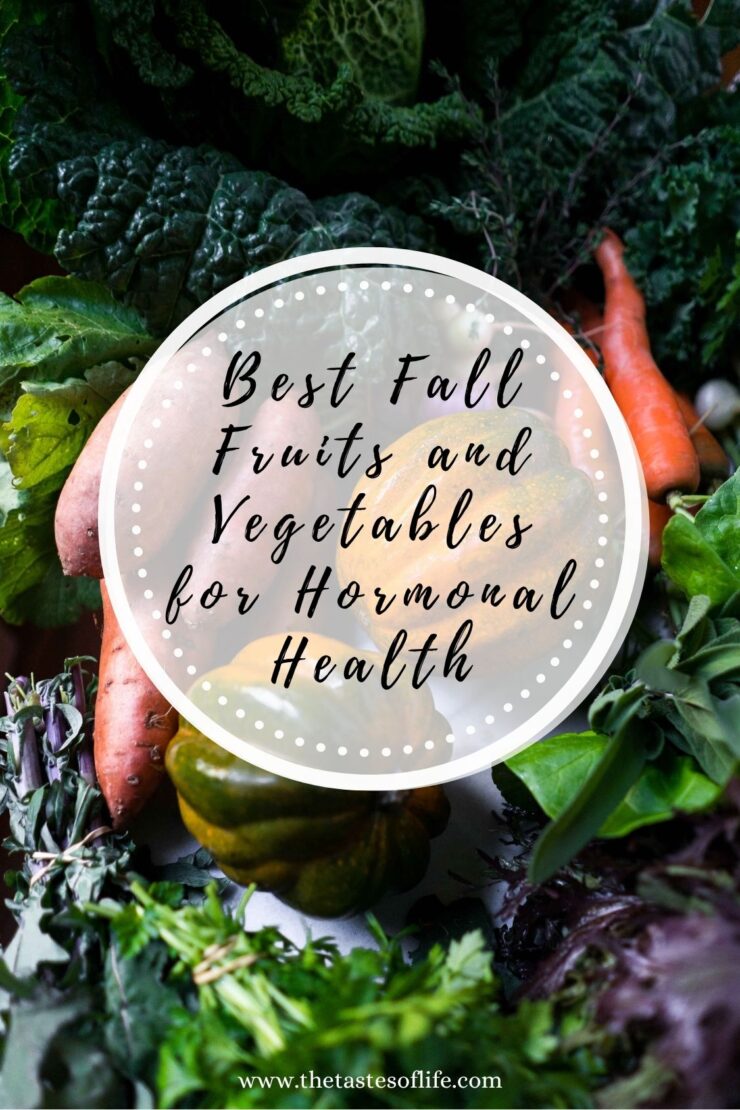
Fall Foods for Hormonal Balance
Something about fall makes me want to cook differently.
The crisp mornings, the golden leaves, the smell of roasting vegetables, and suddenly I want everything warm, earthy, and nourishing. Give me a basket of winter squash, apples, pears, cabbage, beets, and sweet potatoes and I am a very happy woman.
As a nutrition consultant and chef, I also love that so many of these beautiful fall foods are wonderful choices for supporting hormonal health.
When we talk about hormone balance, I don’t think about one magical food that will “fix” our hormones. Our hormones are far too complicated for that.
I think about the bigger picture.
We want to nourish the liver, support healthy digestion and elimination, keep blood sugar steady, feed our gut microbes, provide plenty of fiber and antioxidants, and help keep inflammation in check. And fall gives us an incredible collection of foods to do exactly that. So let’s talk about the fruits and vegetables I reach for most often this time of year, and, more importantly, how I actually eat them. Learn more about how eating nutrient-dense, whole foods after 40 supports hormonal balance
Why Fall Foods Are So Good for Hormonal Health
Hormones don’t exist in isolation.
Estrogen, progesterone, insulin, cortisol, thyroid hormones, and the many other hormones in our bodies are all part of an interconnected system.
One thing I pay particular attention to is fiber.
Fiber helps support healthy digestion and regular elimination. This matters for estrogen metabolism because the body processes estrogen through the liver and excretes metabolites through the digestive tract. Fiber also feeds our gut bacteria, which are increasingly recognized as an important part of estrogen metabolism.
Then there are antioxidants and polyphenols. These compounds help protect our cells from oxidative stress and are abundant in colorful plant foods.
And finally, there is blood sugar.
A meal built around vegetables, fiber, protein, healthy fats, and minimally processed carbohydrates tends to be much friendlier to blood sugar than a plate of refined carbohydrates and sugar.
So rather than searching for a “hormone-balancing superfood,” I like to build meals from a wide variety of whole foods. Fall makes this deliciously easy.
My Favorite Fall Vegetables for Hormonal Health
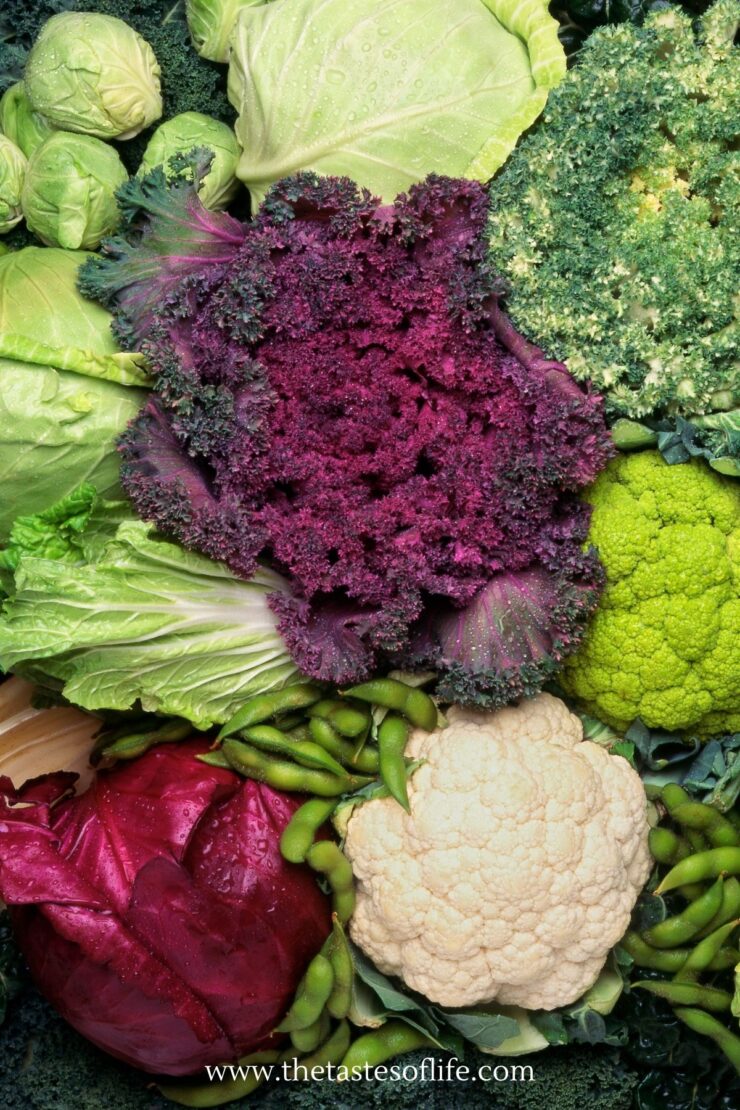
Cruciferous Vegetables
Broccoli, cauliflower, Brussels sprouts, cabbage, kale, and arugula are some of my favorite foods for women’s health.
They contain glucosinolates, plant compounds that are broken down into biologically active compounds such as sulforaphane and indoles.
Cruciferous vegetables are especially interesting when we’re talking about estrogen metabolism because compounds in this family may influence how the body metabolizes estrogen.
And thankfully, they are incredibly easy to cook.
I love:
- Roasted Brussels sprouts with pomegranate seeds
- Cauliflower rice
- Polish red braised cabbage
- Kale salad
- Broccoli salad
One of my favorite fall dinners is simply roasted salmon, Brussels sprouts, and sweet potatoes. Simple food. Lots of color. Plenty of fiber, protein, and healthy fats.
Pumpkin and Winter Squash
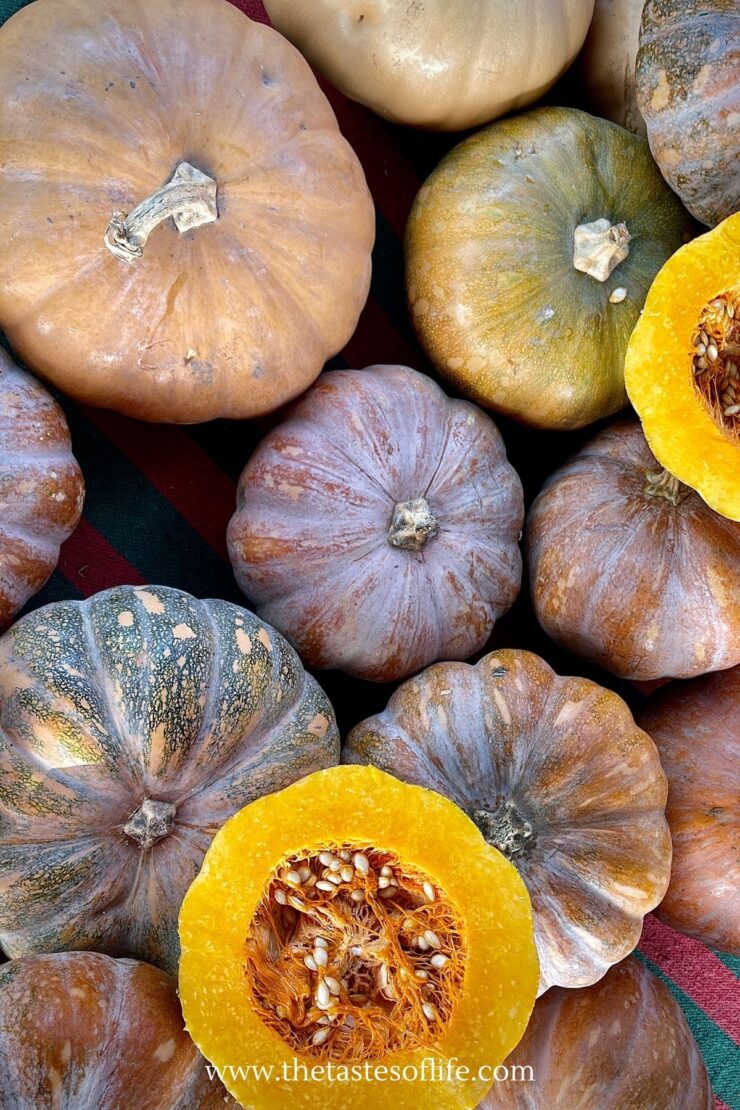
Pumpkin, butternut squash, delicata squash, acorn squash, and kabocha are fall royalty in my kitchen.
They’re rich in carotenoids and provide fiber, potassium, vitamin C, and other nutrients.
I love that winter squash gives you satisfying carbs without relying on refined grains. And there is something wonderfully comforting about a bowl of roasted squash when the weather turns cold.
Try:
- Thai red curry butternut squash
- Roasted butternut squash
- Delicata squash chips
- Cream of roasted acorn squash and tarragon soup
- Gluten-free pumpkin gnocchi
- Pumpkin chia seed pudding
And please don’t throw away those pumpkin seeds. They’re delicious roasted and provide protein, fiber, magnesium, zinc, and healthy fats.
Sweet Potatoes
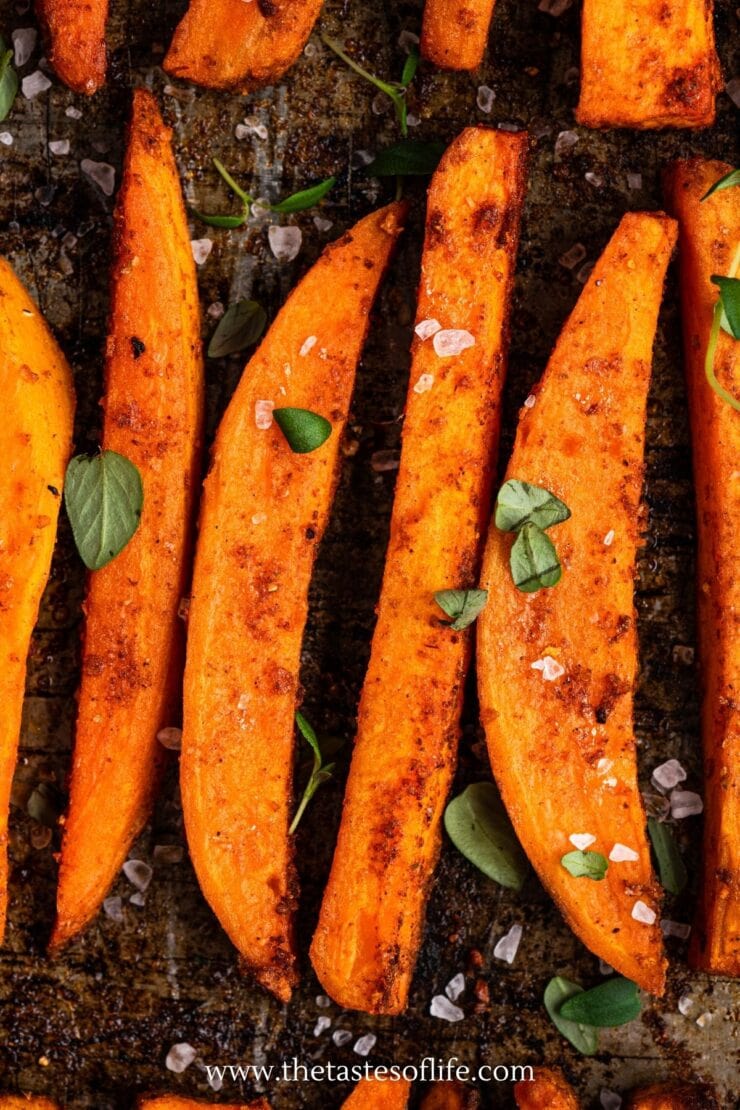
Sweet potatoes are another fall favorite of mine.
They’re naturally sweet, beautifully colorful, and packed with beta-carotene and fiber. I particularly love them as an alternative to highly processed carbohydrate sources.
The trick isn’t to fear carbohydrates. It’s to build a balanced meal around them. Instead of eating a giant plate of sweet potato fries by themselves, I might roast a sweet potato and serve it with chicken, sautéed greens, avocado, and a generous squeeze of lemon.
That combination gives me protein, fiber, fat, and carbohydrates together.
And it tastes fantastic.
Try:
- Roasted sweet potatoes
- One-sheet pan sweet potatoes, kale, and Polish sausage
- Purple mashed potatoes recipe
- Roasted sweet potato pear soup
Beets
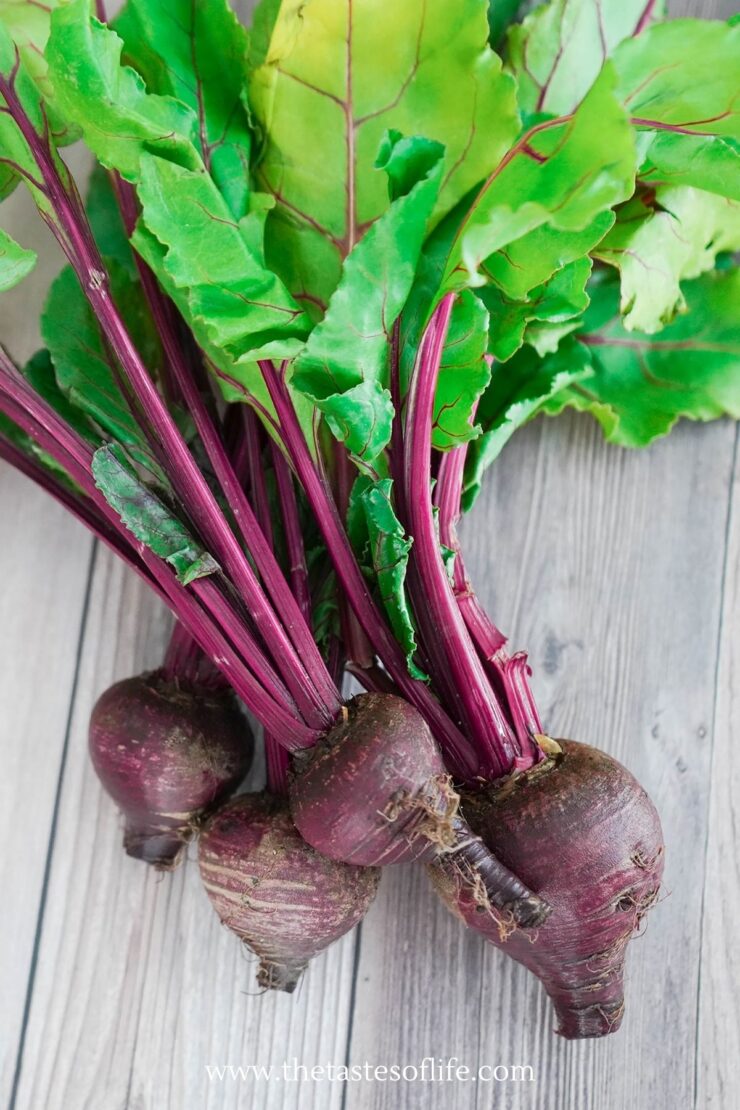
Beets are one of those vegetables that people either adore or look at suspiciously.
I adore them.
They’re rich in betalains and other antioxidants, and they provide folate, potassium, and fiber. They are great for the liver and detox. I love roasting them until they caramelize around the edges and soften in the middle.
Try them with:
- Polish beet and horseradish ( Cwikła z Chrzanem)
- Carrot and beet noodle salad
- Polish beet salad (sorowka z buraczkow)
- Fennel and roasted beet salad with walnut crumbs
- Beet kavass
You can also grate raw beets into salads for a gorgeous ruby-colored crunch.
Carrots
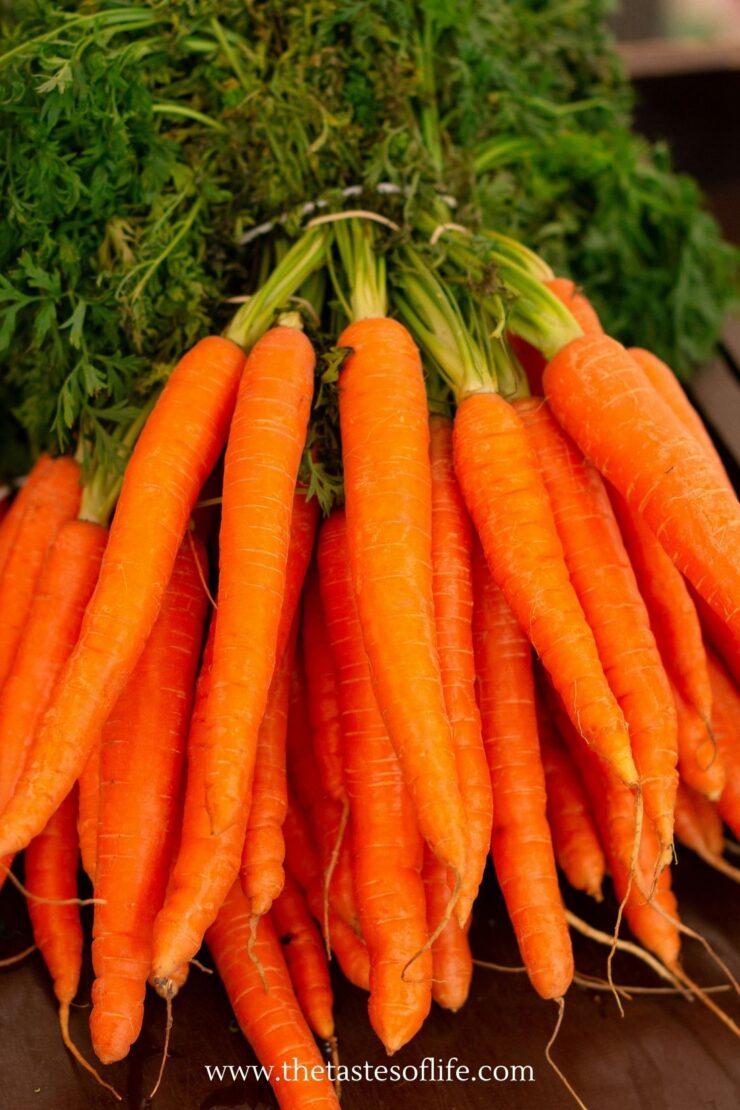
Carrots are another fantastic source of carotenoids and fiber.
And fall is when I really start using them in soups and roasted vegetable dishes.
I love roasting carrots with cumin and coriander until they become sweet and caramelized. They’re also wonderful blended into a creamy carrot-ginger soup. One of my favorite combinations is carrots, ginger, turmeric, garlic, and coconut milk.
Try:
- Creamy tomato, pepper, and carrot soup
- Creamy carrot and ginger soup
- Gluten-free carrot cake bars
- Warm carrot salad
- Raw carrot salad
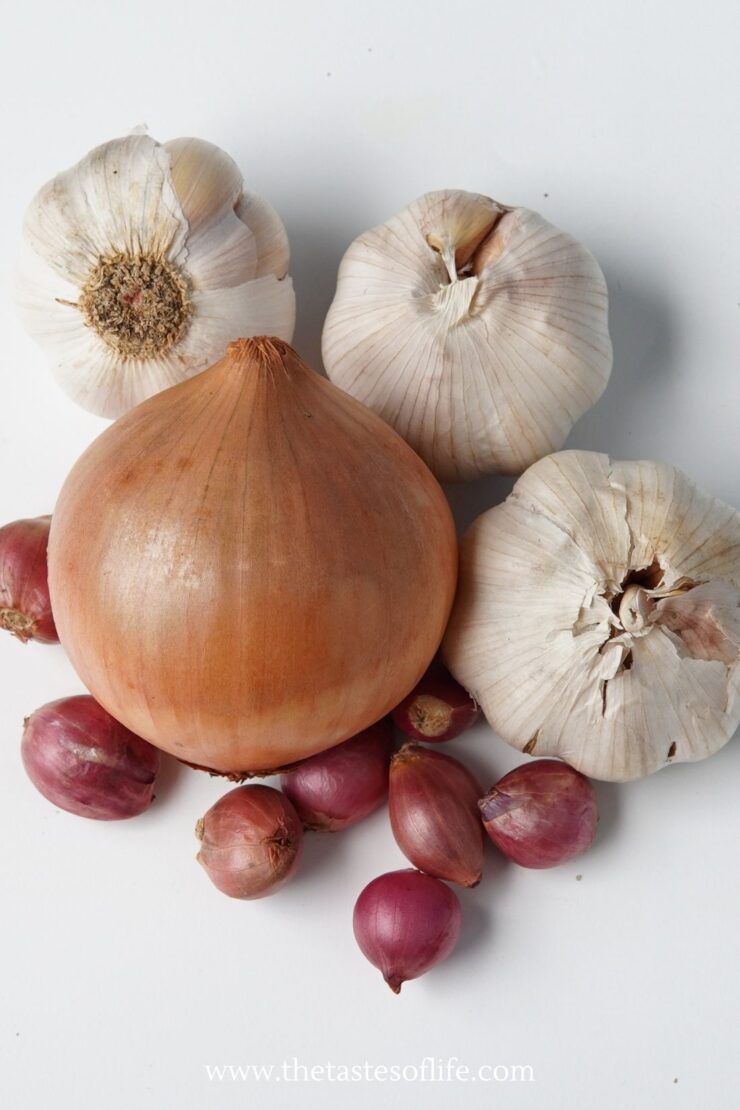
Onions and Garlic
These humble vegetables don’t always get the attention they deserve.
Onions and garlic contain sulfur compounds and prebiotic fibers that can help nourish beneficial gut bacteria. And as a chef, I would be very happy if someone told me I needed to eat more garlic. Fortunately, that’s not a difficult prescription to follow.
I use garlic and onions as the foundation of soups, stews, roasted vegetables, sauces, braises, and practically everything else. They’re the quiet little workhorses of my kitchen.
Try:
Want to save this recipe?
Fall Fruits I Love for Hormonal Health
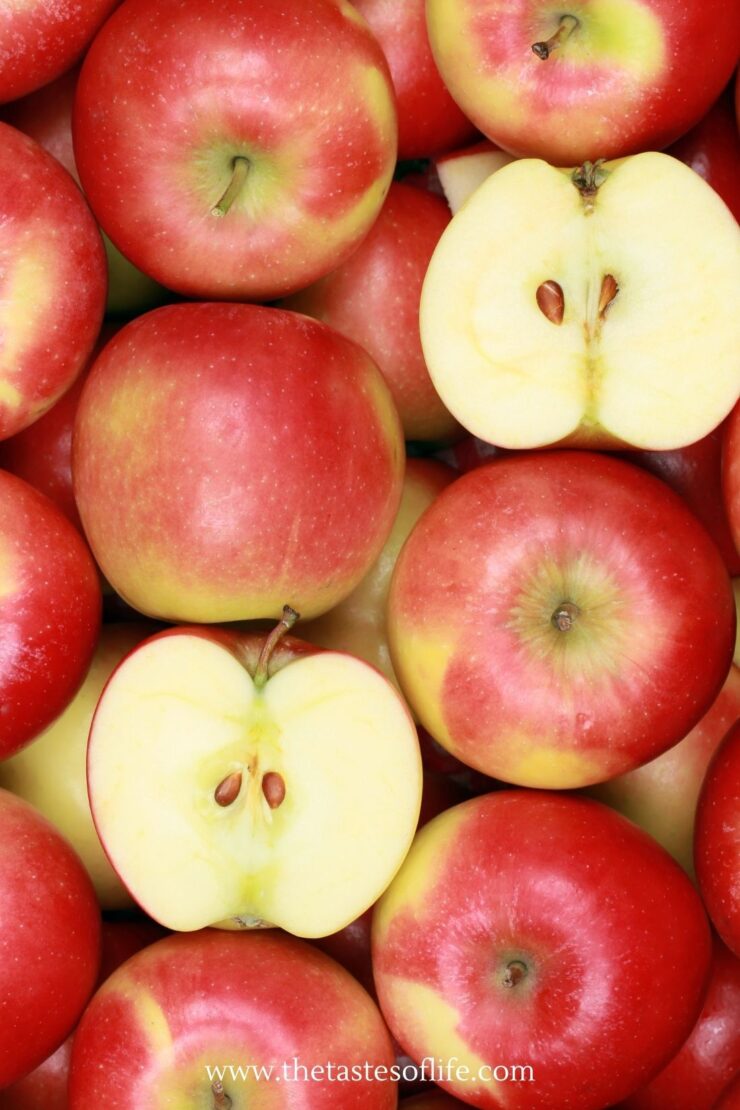
Apples
Fall without apples is simply unacceptable.
Apples provide fiber, particularly pectin, along with polyphenols and vitamin C.
I love eating them whole because the combination of fiber and the natural sweetness makes them much more satisfying than apple juice or applesauce with added sugar.
My favorite ways to use them include:
And yes, I keep the skin on whenever possible. That’s where you’ll find a good amount of the apple’s beneficial plant compounds and fiber.
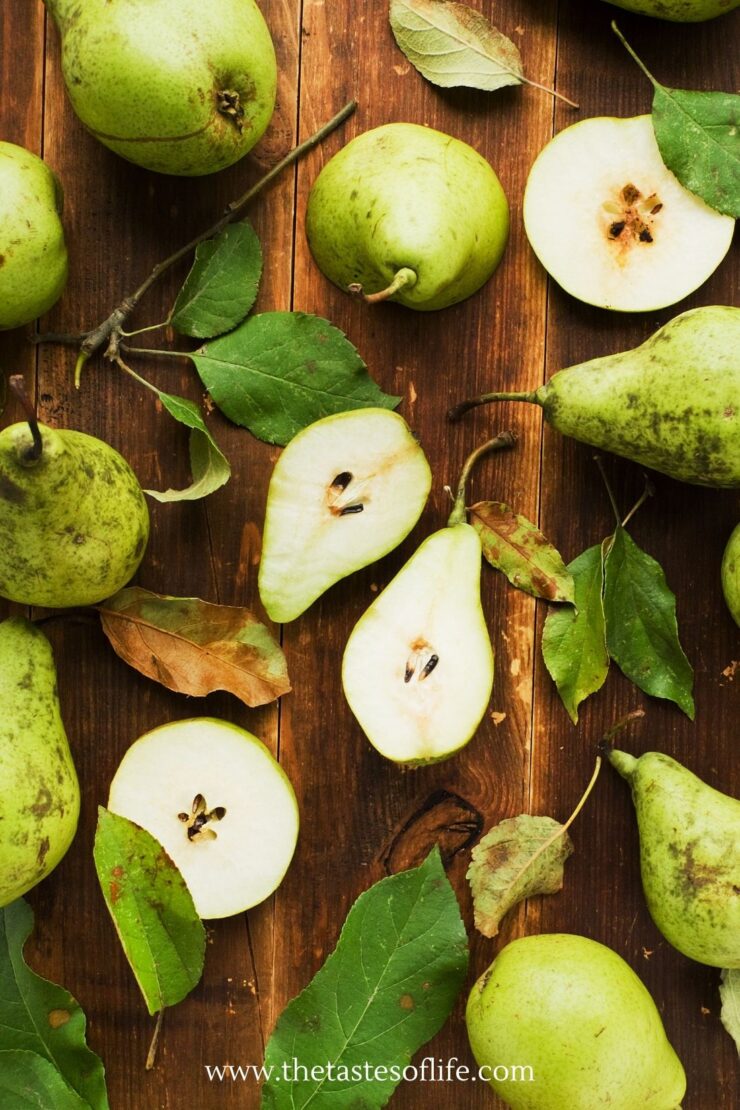
Pears
Pears are another beautiful fall fruit.
They’re juicy, fragrant, naturally sweet, and a good source of fiber. I especially love pairing pears with savory foods.
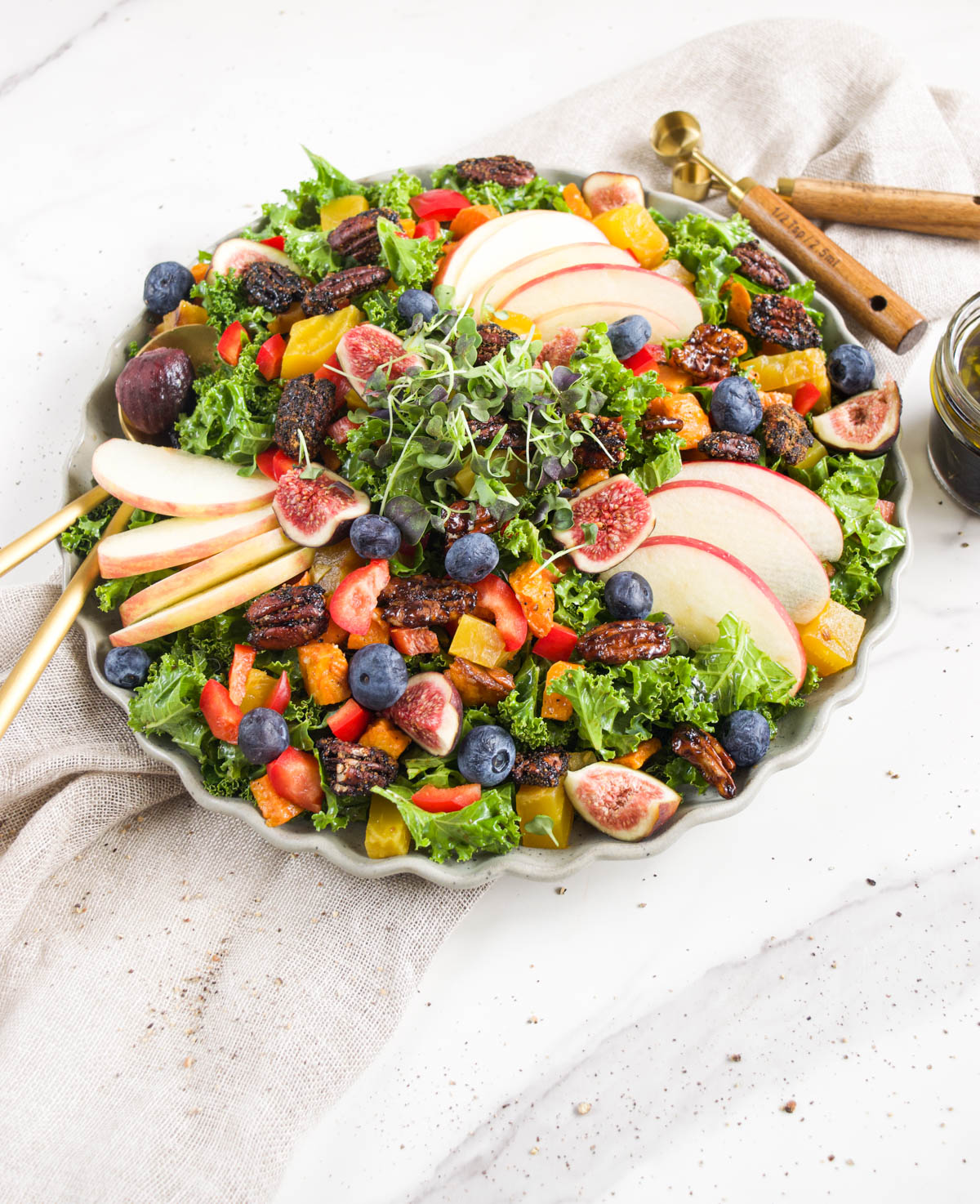
Try roasted pears with chicken or pork, or slice a ripe pear into a salad with bitter greens, toasted pecans, and a sharp vinaigrette. That sweet-and-savory combination is one of my favorite things about autumn cooking.
Try:
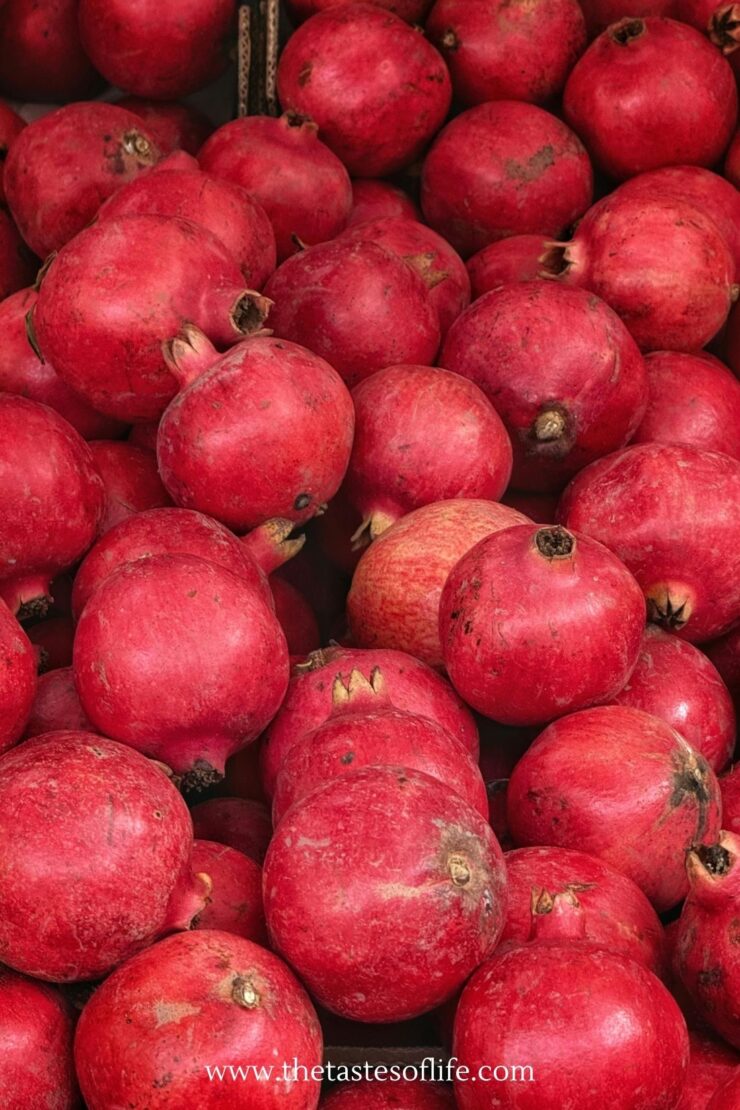
Pomegranate
Pomegranate is one of my favorite fall fruits. Those jewel-like seeds are packed with polyphenols and antioxidants.
I sprinkle them over salads, roasted vegetables, grain bowls, yogurt, and even roasted squash. They’re also gorgeous. And sometimes food that makes you stop and say, “Oh my goodness, look at that,” is exactly what we need.
Make:
- Rose pomegranate mocktail spritz
- Pomegranate immune-boosting winter tea
- Pomegranate baked salmon
- Pomegranate apple salad
- DIY pomegranate-infused vinegar
- Pomegranate molasses vinaigrette
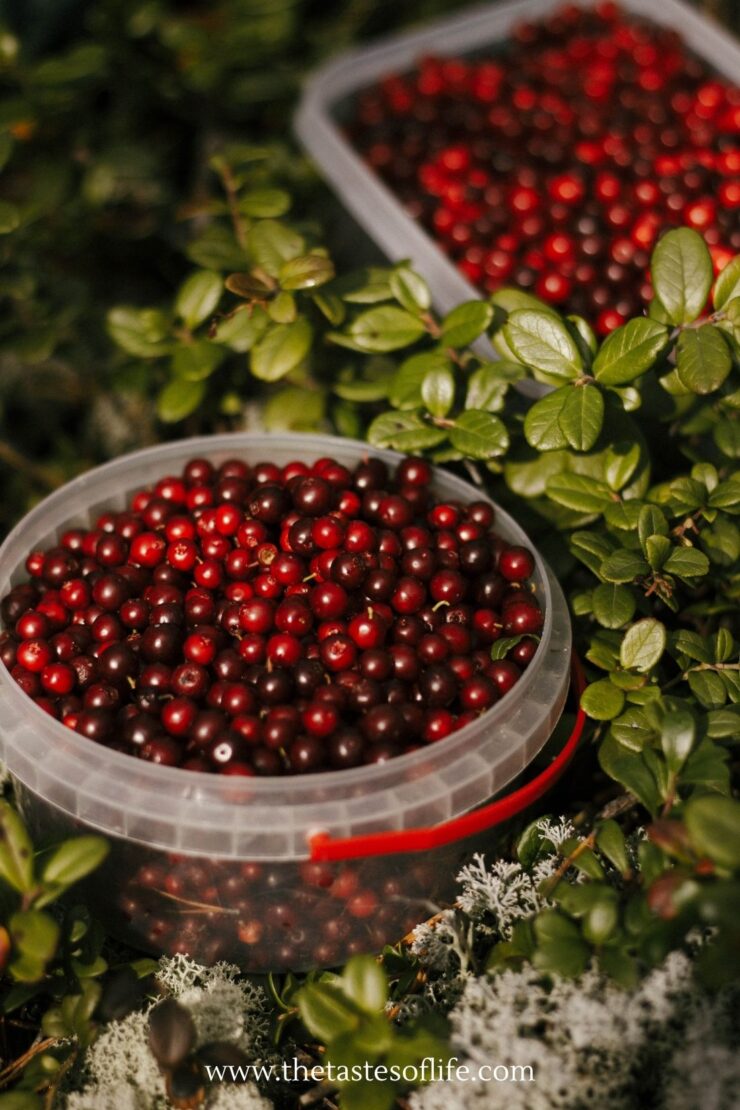
Cranberries
Fresh cranberries are intensely tart, which is precisely why I love them.
They’re rich in polyphenols and vitamin C and can add brightness to heavier fall dishes.
Instead of drowning them in sugar, I like combining them with orange zest, cinnamon, ginger, and just enough sweetness to balance their natural tartness. Try a homemade cranberry relish alongside roasted turkey or chicken. It’s bright, fresh, and much more interesting than the overly sweet canned version.
Try:
- Cranberry and pomegranate coulis
- Cranberry lemon chicken
- Cranberry tuna salad
- Cranberry Chia Seed Pudding
My Favorite Fall Hormone-Supportive Meal Formula
Rather than obsessing over individual foods, I like to think about building a plate.
A simple formula is:
Protein + colorful vegetables + fiber-rich carbohydrates + healthy fat + herbs and spices
For example:
Roasted chicken + Brussels sprouts + sweet potato + avocado + lemon
Or:
Lentils + roasted beets + kale + pumpkin seeds + goat cheese
Or:
Wild salmon + roasted squash + cabbage slaw + olive oil and lemon
These meals are satisfying because they give your body a variety of nutrients rather than one isolated “superfood.”
How I Eat for Hormonal Health in the Fall
For me, autumn eating is about returning to real food.
More soups.
More roasted vegetables.
More slow-cooked meals.
More apples and pears.
More cabbage, squash, sweet potatoes, beets, and greens.
More beans and lentils.
More herbs and warming spices.
And fewer foods that come in brightly colored packages pretending to be breakfast.
I also don’t believe healthy eating should feel like punishment.
Food should be pleasurable.
It should smell incredible while it’s cooking. It should make you want to sit down at the table. It should be something you share with people you love.
That’s one reason I love seasonal cooking so much.
When we eat foods that naturally belong to the season, cooking becomes a little easier. We don’t have to force it.
The ingredients tell us what to make.
And fall has a pretty delicious story to tell.
No single food balances your hormones.
But a diet rich in vegetables, fruit, fiber, protein, healthy fats, and a wide variety of colorful plant foods can provide the nutritional foundation your body needs to support healthy hormone metabolism and overall well-being.
And fall gives us some of the most delicious ingredients to work with.
So this season, fill your kitchen with squash and sweet potatoes. Roast your Brussels sprouts. Massage some kale. Eat your apples with the skin on. Sprinkle pomegranate seeds over everything.
Make a big pot of soup.
Invite someone to dinner.
And enjoy the food.
Love My Content? Buy Me a Coffee!
Creating these resources for you is my passion, and I love hearing how they’ve helped you on your health journey. If you appreciate my content and want to support my work, you can buy me a coffee to help fuel more tips, recipes, and inspiration. Every little bit means the world to me!