Brain Fog During Perimenopause

Struggling with brain fog during perimenopause? Learn what causes memory lapses, confusion, and overwhelm, and discover a holistic, nutrition-forward approach to restore clarity and focus.
Brain Fog During Perimenopause
Brain fog during perimenopause, especially late perimenopause, is real. From my own experience, I can tell that my brain has changed, and I’m not as sharp as I used to be. Brain fog also causes overwhelm because you get upset when you forget things or can’t work the same way as you used to. Walking into a room and forgetting why is for sure a daily occurrence. Mid-sentence, I’d lose my train of thought like it slipped on a wet kitchen floor. Words, simple, everyday words, felt just out of reach.
This happens to many of us during this stage. Workig wth perimenopusal women confirms it, and it is a big struggle. We need to give ourselves a lot of grace, compassion, and self-care at this fragile time.
What Is Perimenopause (And When Does It Start)?
Perimenopause is the transition phase before menopause, when hormones stop being predictable. It usually starts in the late 30s to mid-40s and can last five to fifteen years. During this time, estrogen fluctuates, sometimes high, sometimes crashing. Progesterone steadily drops, and testosterone slowly decreases. Your brain depends on these hormones for fuel, communication, and stability, so when they shift, your brain feels it immediately.
Understanding Brain Fog
Signs of brain fog:
- Memory lapses
- Trouble concentrating
- Losing your train of thought
- Slower processing
- Mental fatigue
- Feeling overwhelmed by simple decisions
- Forgetting words
This is not cognitive decline. This is your brain operating under unstable chemistry. You’re still functioning, still capable, but everything takes more effort.
What’s Actually Happening in the Brain
- Estrogen plays a major role in how your brain produces and uses energy. The brain relies heavily on glucose, and estrogen helps neurons access it efficiently. When estrogen fluctuates, the brain experiences a dip in energy. That’s why thinking feels harder and slower. Estrogen also supports neurotransmitters like dopamine, serotonin, and acetylcholine.
- Dopamine drives motivation and focus, serotonin stabilizes mood, and acetylcholine is critical for memory and recall. When estrogen becomes inconsistent, these systems stop firing smoothly, and you feel it as forgetfulness and lack of clarity. At the same time, your brain tries to compensate by increasing estrogen receptors, essentially becoming more sensitive in an attempt to grab whatever estrogen is left.
- Progesterone, which normally calms the nervous system through GABA signaling, declines steadily, making you feel more wired, more anxious, and less able to focus.
- Testosterone, often overlooked in women, supports drive and cognitive stamina, so when it drops, mental endurance drops with it.
Why Brain Fog Feels So Overwhelming
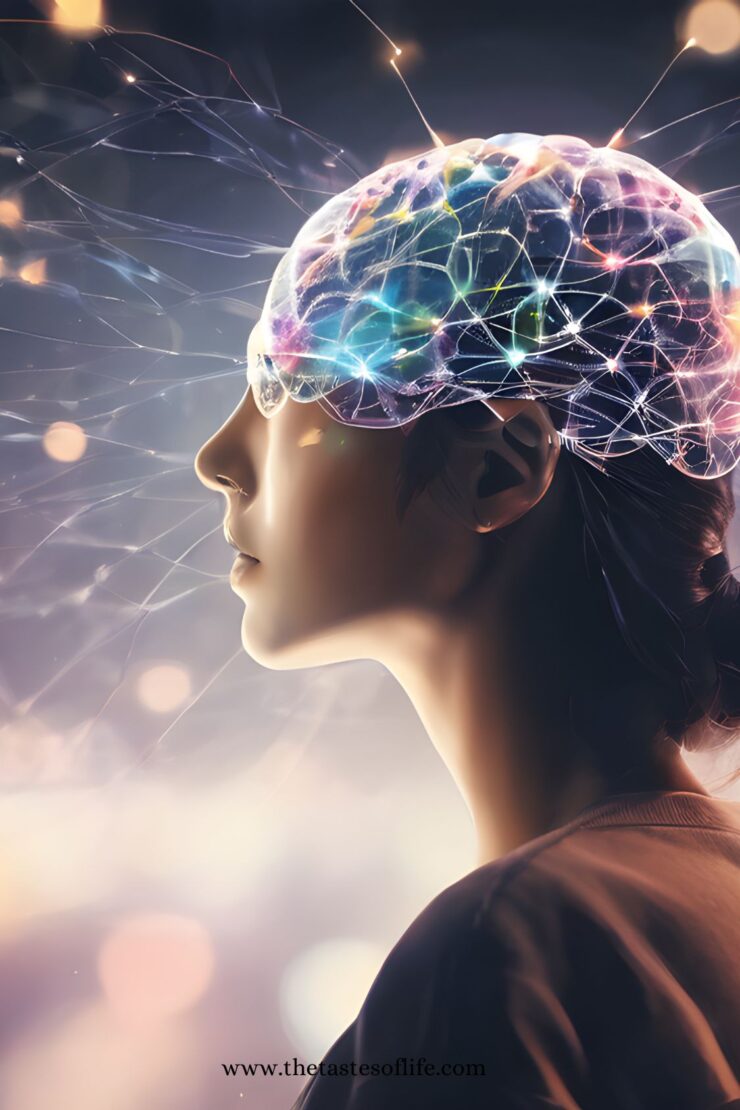
Brain for is not just losing memory. It’s the combination of hormonal shifts, low brain energy, unstable neurotransmitters, poor sleep, and higher stress hormones. Cortisol, when elevated, interferes with memory formation and shrinks the brain’s ability to focus. Add disrupted sleep from hormonal changes, and now your brain doesn’t get the deep restoration it needs. It becomes a loop. Less sleep leads to more fog, more fog creates stress, and more stress worsens cognition.
Lots of women try to push through this with this strategy, but it only becomes worse because we need support, not force.
A Holistic Approach to Clearing the Fog
Here’s the good news: brain fog is not permanent. And there’s so much you can do to support your brain. Think of this like building a beautiful, nourishing plate, layer by layer and that feeling of “I just can’t get going,” even when you want to.
Supplements and What They Actually Do
Supplements are not strictly regulated by the FDA before hitting the market, so quality can vary significantly between brands. That’s why it’s important to choose supplements that have been independently tested by trusted third-party organizations such as NSF International or U.S. Pharmacopeia (USP). These certifications help ensure that the product actually contains the ingredients, purity, and potency listed on the label, without unwanted contaminants or misleading amounts.
- Lion’s Mane mushroom stimulates nerve growth factor, which supports the regeneration and repair of neurons. This improves neuroplasticity, meaning your brain can adapt, learn, and form new connections more easily. It’s not just “good for the brain,” it literally supports its structure.
- Creatine helps produce ATP, the main energy currency of your cells. Your brain uses a massive amount of energy. When hormones disrupt metabolism, creatine becomes incredibly valuable for restoring mental stamina and reducing fatigue.
- Choline is a precursor to acetylcholine, one of the most important neurotransmitters for memory and learning. Without enough choline, your brain struggles to form and retrieve memories efficiently.
- CoQ10 supports mitochondrial function. Mitochondria are responsible for producing energy inside your cells. When they don’t work well, your brain feels slow and tired. CoQ10 helps restore that cellular energy production.
- Magnesium regulates NMDA receptors involved in learning and memory, and also calms the nervous system. It helps reduce overstimulation and improves sleep quality, which directly impacts cognitive clarity.
- Vitamin B12 is essential for maintaining the myelin sheath, the protective layer around nerves. Without it, nerve signaling slows, which manifests as brain fog, fatigue, and poor concentration.
- Vitamin D acts as a hormone in the brain, supporting mood regulation, neuroprotection, and overall cognitive function. Low levels are strongly linked to fatigue and low mental clarity.
- L-theanine increases alpha brain waves, which are associated with a calm but alert state. It helps you feel focused without being jittery, like a steady, controlled flame instead of a chaotic burn.
Herbal Support and Its Mechanisms
- Ginkgo biloba improves blood flow to the brain, delivering more oxygen and nutrients. Better circulation means better performance, especially for memory and focus.
- Rhodiola is an adaptogen that helps regulate cortisol, your stress hormone. Chronic stress impairs memory and concentration, so balancing cortisol helps restore mental clarity and also gives you a boost of energy, which helps with focus.
- Ashwagandha lowers cortisol and supports the nervous system and thyroid. When stress is reduced, your brain can shift out of survival mode and back into focused thinking.
- Bacopa monnieri enhances neuronal communication and has been shown to improve memory retention and learning speed over time.
- Sage helps preserve acetylcholine by slowing its breakdown, allowing your brain to maintain better memory function and sharper thinking.
Before starting any new supplements, it’s important to talk with your healthcare provider, especially if you are taking medications, managing a medical condition, or using hormone therapy. Certain supplements can interact with medications or may not be appropriate for everyone, so personalized guidance is always the safest approach.

Want to save this recipe?
Food as Brain Chemistry
Your brain is highly sensitive to what you eat. Get my Healthy Hormones Cookbook for Perimenopause.
- Healthy fats like olive oil, avocado, and fatty fish are essential for building neuronal membranes and reducing inflammation. Your brain is largely made of fat, so quality matters.
- Protein provides amino acids that are used to make neurotransmitters like dopamine and serotonin. Without enough protein, your brain literally cannot produce the chemicals needed for focus and mood.
- Antioxidant-rich foods like berries and leafy greens protect brain cells from oxidative stress, which increases during hormonal shifts.
- Minerals from seeds, nuts, and vegetables support enzyme function and electrical signaling in the brain, which is essential for cognition.
- A Mediterranean-style way of eating works so well because it combines all of these elements, reducing inflammation while nourishing the brain at a cellular level.
Lifestyle That Rewires the Brain
- Learning new skills strengthens neural pathways and improves cognitive flexibility. The brain adapts when challenged.
- Exercise increases brain-derived neurotrophic factor, which supports the growth and survival of neurons. Movement is one of the fastest ways to improve brain function.
- Sleep is when your brain clears waste through the glymphatic system. Without deep sleep, toxins build up and impair thinking. An average adult needs 7-8 hours of sleep. You need a good quality of sleep. It is important to practice good sleep hygiene by sleeping in a cool, quiet, and dark bedroom; going to sleep before 10 pm, avoiding alcohol and caffeine several hours before you go to sleep, and stopping screen time at least an hour before bedtime (the blue light from devices can delay and disrupt sleep). More about alcohol and women’s health here.
- Hormone testing helps you understand what your body actually needs. One of teh best hormone tests is a Dutch test.
Bioidentical Hormones
Bioidentical hormones can help stabilize estrogen levels, thereby improving brain energy metabolism and neurotransmitter balance. When estrogen becomes stable again, many women experience significant improvement in memory, focus, and mental clarity. This approach should always be personalized and guided by testing.
Brain fog feels unsettling. Trust me. It can make you question yourself in quiet ways. But this isn’t the beginning of decline, t’s a transition.
Your body is recalibrating. And with the right support, your brain can feel sharp, clear, and deeply capable again.
I like to think of it like adjusting a recipe. Sometimes the heat changes. Sometimes the ingredients shift. But with a little awareness and care… you create something just as beautiful, maybe even better. And this time, with even more intention.
Recipes for Perimenopause
Hormone-Supporting Spring Meals for Women Over 40
15 High-Protein Gluten-Free Breakfast
Nourishing Winter Soups for Hormonal Balance
Refrences
Al-Ghazali, K., Eltayeb, S., Musleh, A., Al-Abdi, T., Ganji, V., & Shi, Z. (2020). Serum Magnesium and Cognitive Function Among Qatari Adults. Frontiers in Aging Neuroscience, 12. https://doi.org/10.3389/fnagi.2020.00101
Smith-Ryan, A. E., Cabre, H. E., Eckerson, J. M., & Candow, D. G. (2021). Creatine Supplementation in Women’s Health: A Lifespan Perspective. Nutrients, 13(3), 877. https://doi.org/10.3390/nu13030877
Anjum, I., Jaffery, S. S., Fayyaz, M., Samoo, Z., & Anjum, S. (2018). The Role of Vitamin D in Brain Health: A Mini Literature Review. Cureus, 10(7). https://doi.org/10.7759/cureus.2960
National Institutes of Health. (2017). Dietary Supplement Fact Sheets. Nih.gov. https://ods.od.nih.gov/factsheets/list-all/
Silberstein, R. B., Pipingas, A., Song, J., Camfield, D. A., Nathan, P. J., & Stough, C. (2011). Examining Brain-Cognition Effects of Ginkgo Biloba Extract: Brain Activation in the Left Temporal and Left Prefrontal Cortex in an Object Working Memory Task. Evidence-Based Complementary and Alternative Medicine, 2011, 1–10. https://doi.org/10.1155/2011/164139
Mosconi, L., Nerattini, M., Matthews, D. C., Jett, S., Andy, C., Williams, S., Yepez, C. B., Zarate, C., Carlton, C., Fauci, F., Ajila, T., Pahlajani, S., Andrews, R., Pupi, A., Ballon, D., Kelly, J., Osborne, J. R., Nehmeh, S., Fink, M., & Berti, V. (2024). In vivo brain estrogen receptor density by neuroendocrine aging and relationships with cognition and symptomatology. Scientific Reports, 14(1), 12680. https://doi.org/10.1038/s41598-024-62820-7
https://pubmed.ncbi.nlm.nih.gov/17261778
https://pubmed.ncbi.nlm.nih.gov/11602649
https://pubmed.ncbi.nlm.nih.gov/36178170
Love My Content? Buy Me a Coffee!
Creating these resources for you is my passion, and I love hearing how they’ve helped you on your health journey. If you appreciate my content and want to support my work, you can buy me a coffee to help fuel more tips, recipes, and inspiration. Every little bit means the world to me!