Polish Strawberry Knedle (Potato Dumplings Gluten-Free)

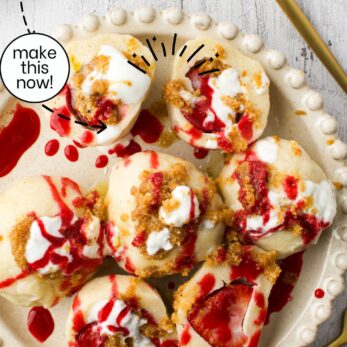
Make these delicious Polish strawberry knedle (potato dumplings, gluten-free) stuffed with sweet strawberries. This traditional Polish recipe is a summer favorite in Poland and can be served for lunch or as a light dessert.
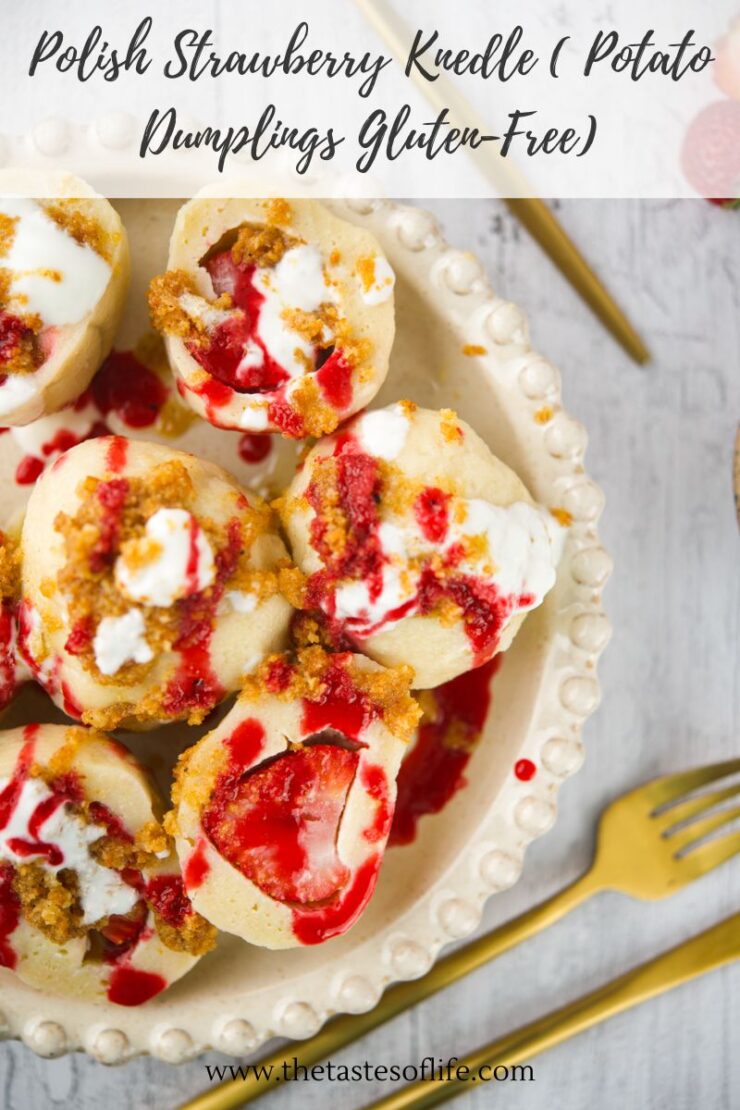
Polish Strawberry Dumplings (Knedle – Gluten-Free)
As a nutrition consultant and chef, I’m always looking for ways to recreate nostalgic comfort food that still feels traditional to me but works for modern kitchens and different dietary needs. And these delicious Polish Strawberry Knedle bring me right back to childhood summers in Poland when the strawberry season arrived and suddenly everything revolved around berries.
I grew up in Poland, where summers tasted like warm strawberries picked straight from the garden, and butter sizzling in a pan while everyone hovered around the kitchen waiting for lunch. Knedle z truskawkami were one of those magical dishes that somehow lived between lunch and dessert. We would eat them on a hot summer day after swimming in the lake or biking through the countryside, our cheeks sunburned and our fingers stained red from strawberries.
There was always flour dust on the counter, steam fogging up the windows, and someone sneaking extra buttery breadcrumbs from the pan before the dumplings even made it to the table. Polish kitchens in summer have a smell that is impossible to forget. Sweet fruit, warm potatoes, melted butter, and berries bubbling somewhere nearby. Honestly, if nostalgia had a scent, this would be it.
This Polish recipe is my gluten-free version of the traditional Polish recipe I grew up eating. It’s a little twist on the classic plum Knedle, except these soft potato dumplings that are stuffed with sweet strawberries are lighter, juicier, and somehow even more summery. They’re fun to make, especially with kids or friends gathered around the kitchen table, rolling dumplings together while talking about life and stealing strawberries from the bowl.
And yes, they absolutely taste like summer.
What Are Strawberry Knedle?
Knedle are soft potato dumplings popular in Poland and throughout Central and Eastern Europe. Traditionally, they are made with mashed potatoes and flour, then wrapped around fruit like plums or strawberries before being boiled until pillowy and tender. The dumpling dough can be made with either cheese dough (Polish twaróg cheese) or mashed potato dough.
In Poland, Knedle z truskawkami are considered a summer favorite because they celebrate the fresh strawberry season in the most comforting way possible. They’re often served as lunch, especially during summer break when kids are home from school, and strawberries are everywhere at the markets.
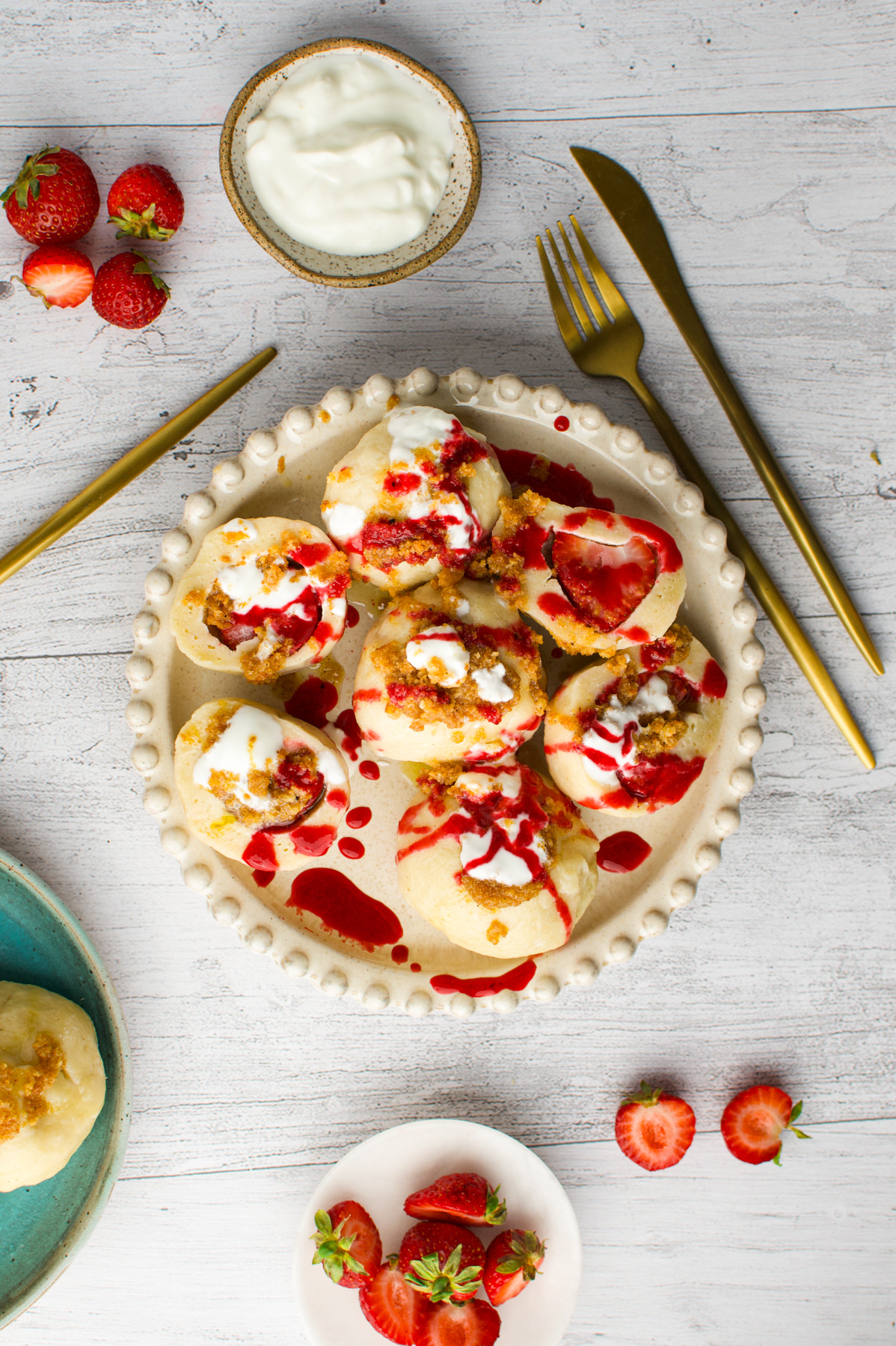
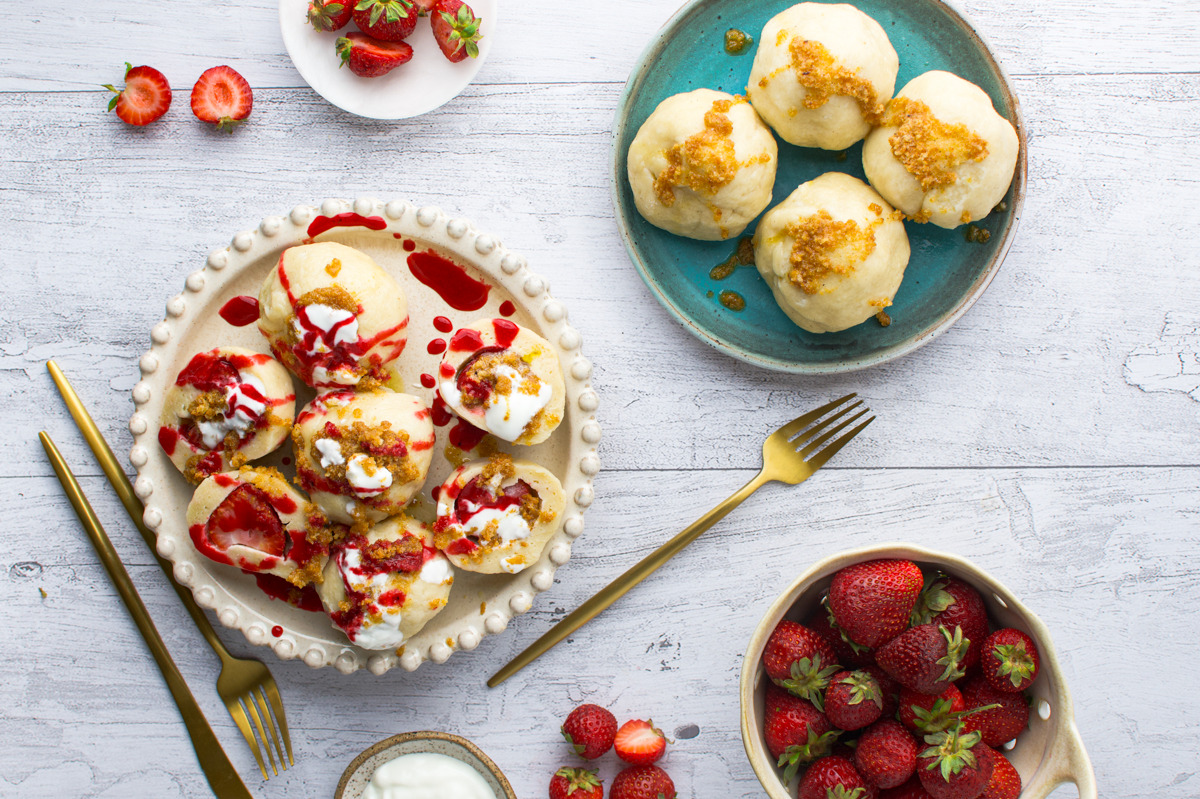
What I love most is that they blur the line between savory and sweet. The potato dough is mild and delicate, while the strawberries become warm and jammy inside. Then everything gets coated in buttery, gluten-free breadcrumbs and a sprinkle of coconut sugar that melts slightly on top. They are also served with sweetened sour cream and strawberry sauce.
It’s rustic food at its finest.
Ingredients for Polish Strawberry Knedle
Did you know?
Explain a little piece of history or snippet of information about an ingredient or variation.
Want to save this recipe?
How to Make Polish Strawberry Knedle (Gluten-Free Potato Dumplings)
- Boil the potatoes until fork-tender. Once slightly cooled, mash them with a potato ricer. You want the potatoes fluffy and lump-free so the dough stays silky.
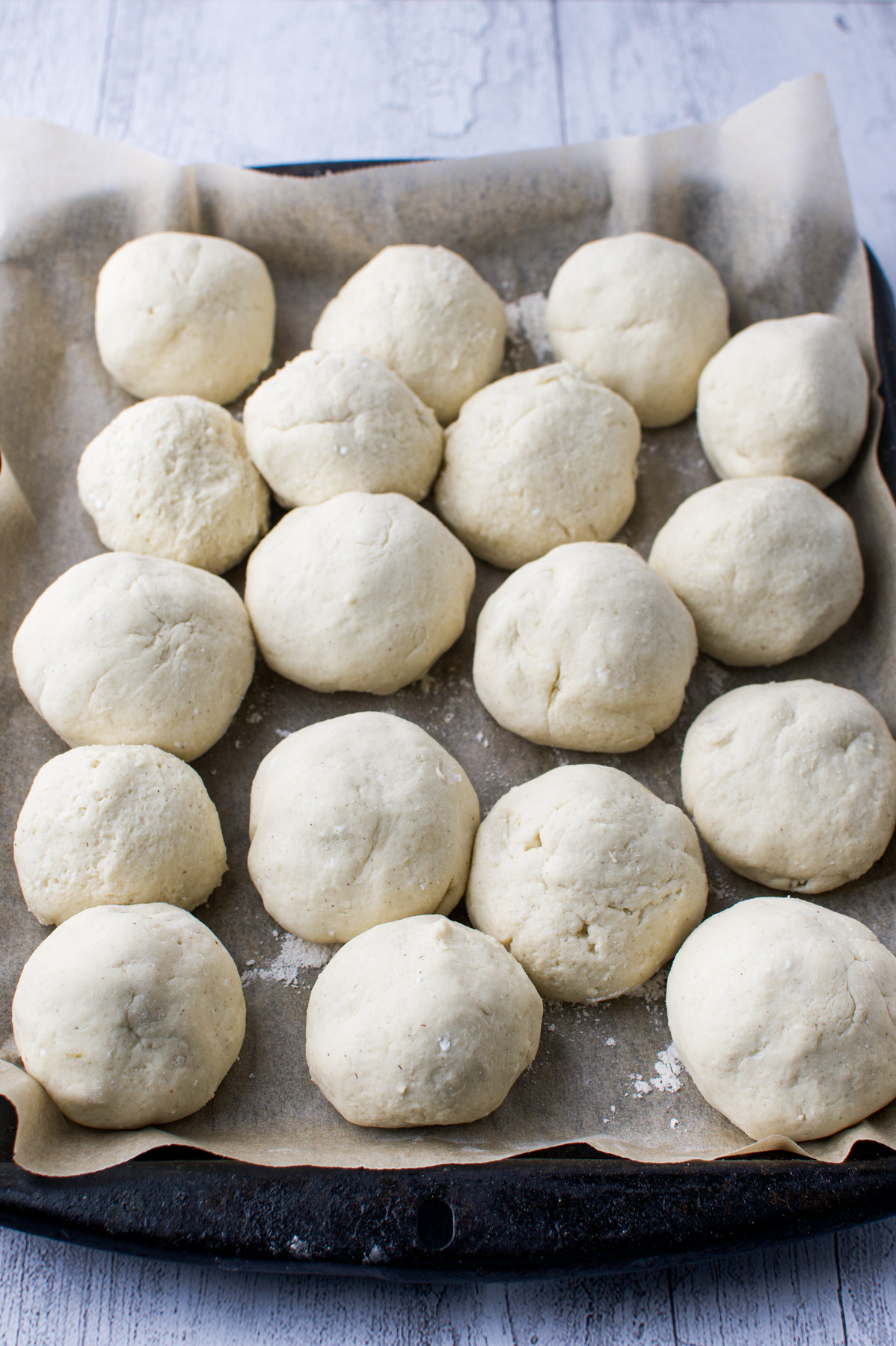
- Mix the potatoes with gluten-free flour and eggs until a soft dough forms. Kneed the dough with your hands and form a ball. The dough should feel tender and workable but not sticky like glue. Try not to add more flour, as the dough can become too tough after cooking. Knead the dough only until it comes together. Try not to overmix it. One of the biggest mistakes with potato dough is waiting until every bit of flour is fully absorbed, because that’s usually when the dough starts to turn sticky. Then you end up adding more flour, mixing again, and suddenly the dough keeps demanding more and more flour like a hungry teenager standing in front of the fridge. Instead, add about 1 cup of flour (sometimes even a little less) and stop mixing once the dough is mostly combined. Lightly flour your hands and work surface when shaping the dumplings, rather than adding too much flour directly to the dough. A little flour on the outside makes the dough much easier to handle while keeping the inside soft and tender, not heavy. The exact amount of flour can vary depending on the potatoes and even the size of the egg you use. Some potatoes hold more moisture than others, which is why potato dough is something you learn to feel more than measure perfectly. The secret to soft, pillowy knedle is adding just enough flour. Too little and the dough becomes wet and sticky. Too much and the dumplings turn dense and chewy.
- If your dough feels too dry, add a small splash of milk or a little softened butter. If it feels too sticky, sprinkle in a bit more flour, one spoonful at a time.
- Wash and cut strawberries in half.
- Transfer the dough to a floured cutting board.
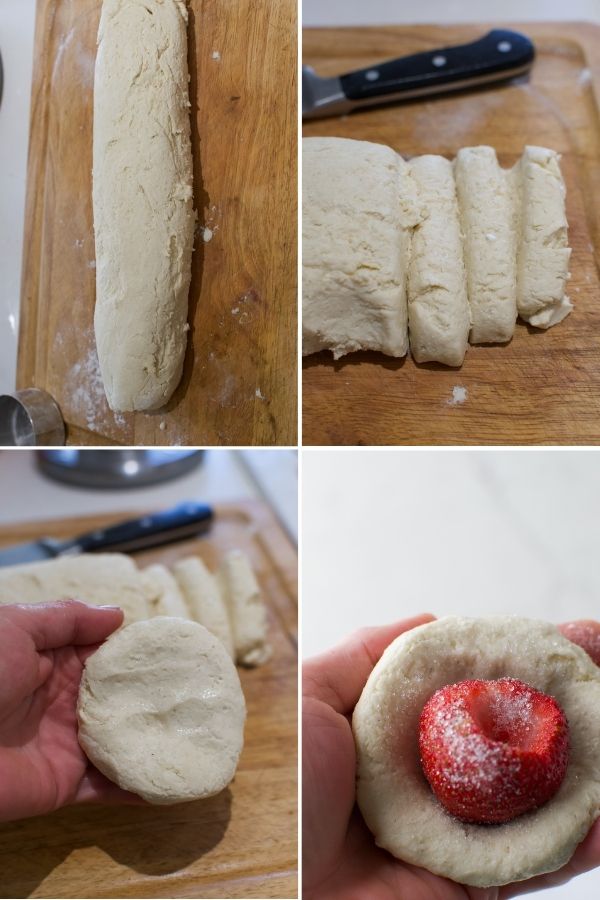
- Take pieces of dough and flatten them gently in your hands. Place a strawberry in the center and add a bit of sugar, then carefully wrap the dough around it, sealing it completely. Roll gently into smooth dumplings.
- Bring a large pot of salted water to a gentle boil. Do not overcrowd the pot and make sure that the dumpling doesn’t stick to the bottom. I usually cook 6 dumplings at a time and cook them in batches. Once they float to the surface, let them cook a little longer until soft and tender. Remove them with a slotted spoon and transfer them to the plate.
- Meanwhile, melt butter in a skillet and toast the gluten-free breadcrumbs until golden and fragrant.
- Drizzle it with buttery breadcrumbs and sprinkle with coconut sugar before serving warm.
Ingredient Substitutes
- If strawberries are not in season, blueberries or small plums work beautifully too.
- Coconut sugar can be replaced with toasted, shredded almonds with coconut flakes.
- You can use ghee instead of butter for a richer flavor.
- For dairy-free knedle, use vegan butter.
Chef Angie’s Tips
- Use cold or slightly cooled potatoes to avoid sticky dough.
- Do not overwork the dough or the dumplings can become dense.
- Dust your hands lightly with flour while shaping to make rolling easier.
- Choose strawberries that are not overly large so the dumplings cook evenly.
- Toast the breadcrumbs slowly until golden and nutty, not burnt.
- Make extra breadcrumb topping because everyone always wants more.
Ways To Serve
- Serve warm with extra melted butter and coconut sugar.
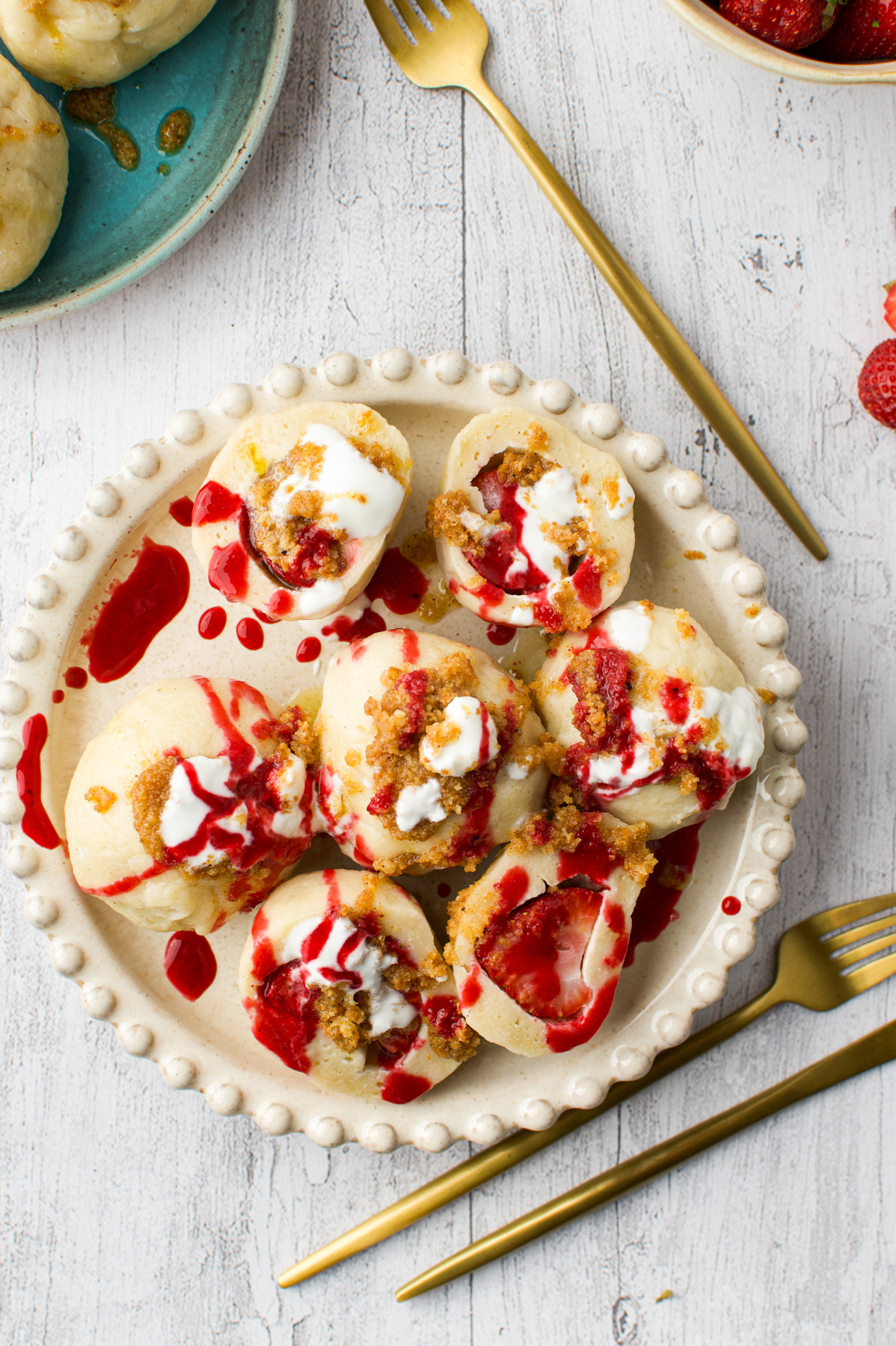
- Drizzle with strawberry coulis.
- Add a spoonful of thick yogurt or sour cream for a creamy contrast.
- Pair with fresh strawberries on the side during strawberry season.
- Serve as lunch just like they do in Poland.
- Sprinkle with cinnamon for a cozy variation.
Storage
Store leftovers in an airtight container in the refrigerator for up to 3 days. Reheat gently in a skillet with butter for the best texture. You can freeze uncooked dumplings on a tray before transferring to a freezer bag.
FAQ
Why are my dumplings falling apart?
Usually, the dough needs a little more flour, or the water is boiling too aggressively.
Can I use frozen strawberries?
Fresh strawberries work best because frozen berries release too much liquid.
If this recipe brought a little taste of Poland into your kitchen, I’d love for you to share the blog with a friend, save it for later, or pin it for strawberry season. These easy-to-make dumplings are one of those recipes that create memories around the table, flour-covered hands, and berry-stained smiles included.
And if you make these delicious Polish Strawberry Knedle, let me know how they turned out. I always love hearing your kitchen stories.

Polish Strawberry Knedle Gluten-Free
Ingredients
- 1,5 lbs Potatoes mashed
- 12 Eggs
- 1 3/4 cups Gluten-free flour or more if needed
- 1/4 tsp Salt
Filling
- 20 Starwberries
- 2 tbsp Coconut sugar to sprinke inside
For serving
- 3 tbsp Melted butter
- 6 tbsp gluten-free bread crumbs
- Sour cream optional
Instructions
- Boil the potatoes until fork-tender. Once slightly cooled, mash them with a potato ricer. You want the potatoes fluffy and lump-free so the dough stays silky.2. Mix the potatoes with gluten-free flour and eggs until a soft dough forms. Kneed the dough with your hands and form a ball. The dough should feel tender and workable but not sticky like glue. Try not to add more flour, as the dough can become too tough after cooking. Knead the dough only until it comes together. Try not to overmix it. One of the biggest mistakes with potato dough is waiting until every bit of flour is fully absorbed, because that’s usually when the dough starts to turn sticky. Then you end up adding more flour, mixing again, and suddenly the dough keeps demanding more and more flour like a hungry teenager standing in front of the fridge. Instead, add about 1 cup of flour (sometimes even a little less) and stop mixing once the dough is mostly combined. Lightly flour your hands and work surface when shaping the dumplings, rather than adding too much flour directly to the dough. A little flour on the outside makes the dough much easier to handle while keeping the inside soft and tender, not heavy. The exact amount of flour can vary depending on the potatoes and even the size of the egg you use. Some potatoes hold more moisture than others, which is why potato dough is something you learn to feel more than measure perfectly. The secret to soft, pillowy knedle is adding just enough flour. Too little and the dough becomes wet and sticky. Too much and the dumplings turn dense and chewy.3. If your dough feels too dry, add a small splash of milk or a little softened butter. If it feels too sticky, sprinkle in a bit more flour, one spoonful at a time.4. Wash and cut strawberries in half. 5. Transfer the dough to a floured cutting board. Take pieces of dough and flatten them gently in your hands. Place a strawberry in the center and add a bit of sugar, then carefully wrap the dough around it, sealing it completely. Roll gently into smooth dumplings.6. Bring a large pot of salted water to a gentle boil. Do not overcrowd the pot and make sure that the dumpling doesn't stick to the bottom. I usually cook 6 dumplings at a time and cook them in batches. Once they float to the surface, let them cook a little longer until soft and tender. Remove them with a slotted spoon and transfer them to the plate.7. Meanwhile, melt butter in a skillet and toast the gluten-free breadcrumbs until golden and fragrant.8. Drizzle it with buttery breadcrumbs and sprinkle with coconut sugar before serving warm.
Nutrition
Love My Content? Buy Me a Coffee!
Creating these resources for you is my passion, and I love hearing how they’ve helped you on your health journey. If you appreciate my content and want to support my work, you can buy me a coffee to help fuel more tips, recipes, and inspiration. Every little bit means the world to me!