Ajerkoniak Recipe: Traditional Polish Egg Liqueur

Last Updated on November 5, 2026 by Angie Spuzak
Learn how to make Ajerkoniak, the creamy Polish egg liqueur built on egg yolks, brandy or cognac, and condensed milk.
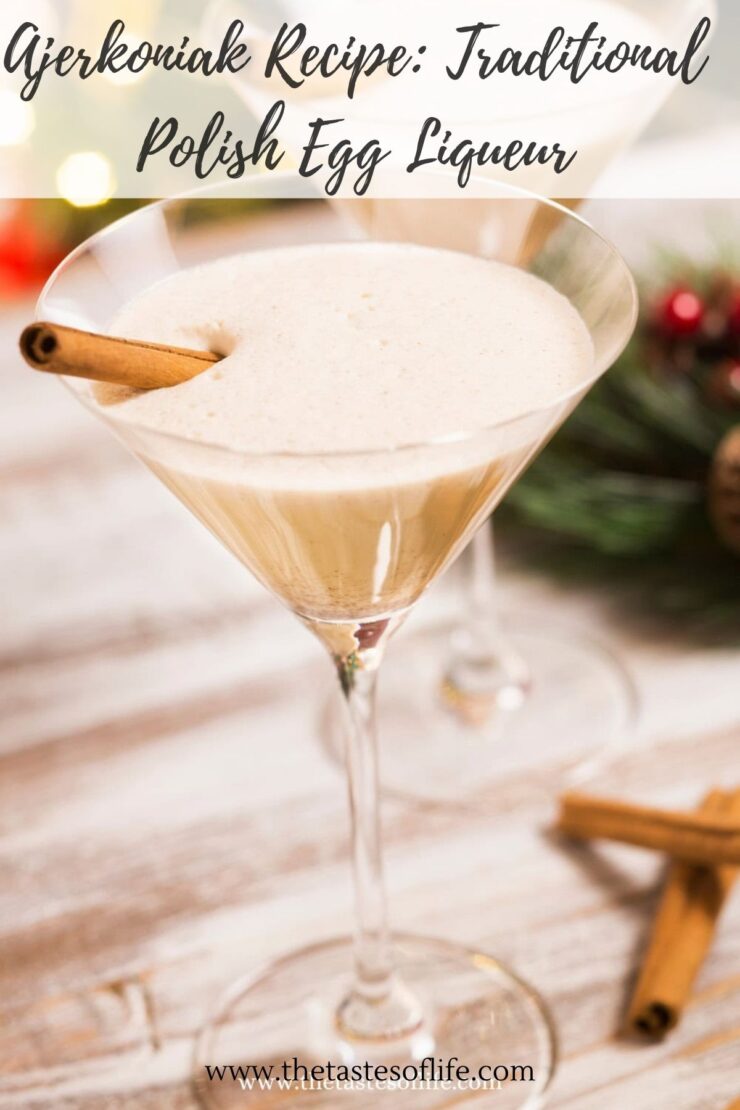
Ajerkoniak, the Traditional Polish Egg Liquor: Likier Jajeczny
Ajerkoniak is a velvety beverage that combines the richness of egg yolks with the depth of brandy or cognac. This thick version of the liqueur is rich, creamy, with a kick! It tastes like the brandy butter my grandmother used to make for Christmas pudding.
In the world of spirits and liqueurs, each country boasts its unique concoctions deeply rooted in tradition and cultural heritage. Poland, known for its rich history and vibrant customs, takes pride in Ajerkoniak.
What is Ajerkoniak?
If you have never tried ajerkoniak, imagine a silky vanilla custard, a little sweetness, and a splash of alcohol all coming together in one delicious sip. That’s pretty much what this traditional Polish egg liqueur tastes like. Rich, creamy, smooth, and wonderfully indulgent, it’s one of those drinks that feels right at home during the holiday season.
Growing up in Poland, I was surrounded by food traditions that followed the seasons and holidays. Food was never just about eating. It was about family gatherings, preparing something special, and sharing something delicious around the table.
Ajerkoniak is one of those traditional Polish treats that deserves more attention outside Poland. People often enjoy it at Christmas and Easter, served in small glasses after a meal or offered to guests as a homemade specialty.
As a nutrition consultant and chef, I love exploring traditional foods and understanding what makes them so special. And while ajerkoniak isn’t exactly an everyday health drink (let’s be honest, it’s a dessert in a glass!), I appreciate the simplicity of its ingredients and the beautiful texture you can create at home.
If you enjoy eggnog, vanilla custard, or creamy liqueurs, I think you’ll love this Polish classic.
What Exactly Is Polish Ajerkoniak?
Ajerkoniak is a traditional Polish egg-based alcoholic liqueur. Its name comes from the Polish word ajer, referring to egg, and the drink is closely related to Dutch advocaat and other European egg liqueurs.
The traditional version is made with egg yolks, sugar, and alcohol, often with vanilla added for extra fragrance and flavor. Some recipes also include sweetened condensed milk or evaporated milk to create an especially creamy consistency.
Unlike regular cocktails, ajerkoniak is thick and velvety. It isn’t something you gulp down. You pour a small amount into a little glass and enjoy it slowly.
Think of it as a cross between vanilla custard and a dessert liqueur.

Steps to Make Ajerkoniak
- Base Spirit Selection: The heart of Ajerkoniak is the choice of base spirit. High-quality brandy or cognac forms the foundation of the liqueur, adding depth and complexity to the final product.
- Egg Yolks and Sugar: Egg yolks and sugar are the key components that give Ajerkoniak its distinctive richness. The yolks are separated from the whites, and sugar is added to create a sweet and velvety texture. The precise egg-to-sugar ratio is often a closely guarded family secret.
- Flavor Infusions: To enhance the flavor profile, makers add various infusions. Vanilla, cocoa, and coffee are common choices, but some recipes may include spices like cinnamon or nutmeg. These infusions add to Ajerkoniak’s layered, nuanced taste.
- Maturation: The liqueur then matures for a period, allowing the flavors to meld and develop. This maturation process is crucial for achieving the harmonious balance of sweetness and complexity that defines Ajerkoniak.
- Filtration and Bottling: After maturation, the liqueur is filtered to remove any solids or impurities. It is then carefully bottled, often in decorative containers, ready to be enjoyed on special occasions.

When to Drink Ajerkoniak
Ajerkoniak holds a special place in Polish culture, symbolizing warmth, hospitality, and togetherness. Its association with holidays, particularly Christmas and Easter, makes it a cherished tradition passed down through generations.
- Christmas Celebrations: In many Polish households, the Christmas season is incomplete without a glass of Ajerkoniak. Families come together to share stories, exchange gifts, and toast to the festive spirit with this velvety liqueur. Its warmth becomes a metaphor for the shared love and joy of the holiday season.
- Easter Gatherings: Ajerkoniak is equally prominent during Easter celebrations. As families gather to commemorate the resurrection, the liqueur’s rich, indulgent character adds a touch of luxury to the festivities. People often enjoy it as a digestif after a hearty Easter meal.
- Wedding Tradition: Ajerkoniak is also deeply woven into Polish wedding traditions. It is not uncommon for newlyweds to receive or serve Ajerkoniak as a symbol of prosperity and the sweetness of married life. Sharing this traditional liqueur becomes a gesture of goodwill and celebration.
- Gift-Giving: Ajerkoniak is a perfect DIY recipe and a popular gift during special occasions. A perfect Christmas gift or a birthday gift.
Ajerkoniak vs. Eggnog: What’s the Difference?
People sometimes compare ajerkoniak to American eggnog, and I can understand why. Both drinks contain eggs, sugar, and alcohol, and both are popular during the holiday season. However, they are quite different.
Traditional American eggnog is usually made with whole eggs or a combination of eggs and yolks, milk, cream, sugar, and spices such as nutmeg. It’s much thinner and is generally served as a drink.
Ajerkoniak, on the other hand, is made primarily with egg yolks, which give it its signature rich texture and beautiful golden color. It is usually thicker, sweeter, and more concentrated.
Another difference is the flavor. Eggnog often has a noticeable nutmeg and cinnamon character, while ajerkoniak tends to highlight vanilla, egg yolks, and the warmth of alcohol.
Both have their place on a holiday table, but if you ask me, there’s something particularly lovely about a little glass of homemade ajerkoniak.

Ajerkoniak’s roots, deeply embedded in Polish history and culture, continue to be a source of joy, celebration, and connection. Its rich and velvety texture and nuanced flavor profile make it a beloved tradition during festive occasions. As the world embraces the renaissance of craft and tradition, Ajerkoniak is a testament to the enduring appeal of carefully crafted, heritage-inspired liqueurs. Ajerkoniak invites us to savor the essence of Polish hospitality and the warmth of timeless traditions.
The following recipe provides a basic guideline for making Ajerkoniak at home. Remember that variations exist; some families may have their secret ingredients or unique twists.
Ingredients That Make Ajerkoniak Special
- Egg yolks: Egg yolks are the foundation of ajerkoniak. They provide its rich texture, beautiful yellow color, and custard-like consistency. Fresh, good-quality eggs make a difference, especially when eggs are such an important part of the recipe.
- Sugar: Sugar balances the richness of the yolks and creates the liqueur’s characteristic sweetness. You want enough sweetness to taste like a dessert without overpowering the other ingredients.
- Alcohol: Polish recipes commonly use high-quality brandy, cognac, vodka, or neutral grain spirit.
- Vanilla: Vanilla is a wonderful addition. I prefer real vanilla extract or vanilla bean because it gives the liqueur a beautiful aroma. Vanilla and egg yolks are a natural combination, much like in homemade custard or pastry cream.
- Milk or condensed milk: These ingredients make ajerkoniak creamier and can create a slightly different consistency from the more traditional egg-yolk-and-sugar version.
Equipment:
- Mixing bowls
- Whisk
- Saucepan
- Wooden spoon
- Fine-mesh strainer or cheesecloth
- Funnel
- Sterilized glass bottles for storage

Want to save this recipe?
Instructions:
- Separate Eggs: Carefully separate the egg yolks from the whites. Reserve the egg whites for other culinary uses.
- Prepare Base Mixture: In a mixing bowl, whisk the egg yolks and sugar until smooth and slightly pale. Note: When using coconut sugar, the mixture will be dark.
- Heat Cream: In a saucepan over medium heat, warm the milk until it just starts to simmer. Be cautious not to let it boil.
- Combine Ingredients: Slowly pour the warmed cream into the egg yolk and sugar mixture, continuously whisking to prevent curdling. This step is crucial for a smooth, velvety texture.
- Infuse Flavors: Add the split vanilla bean (or vanilla extract), cocoa powder, instant coffee or espresso powder (if using), and any optional spices or citrus zest. Stir well to distribute the flavors evenly.
- Add Brandy, Cognac or Vodka: Pour the high-quality brandy or cognac into the mixture, whisking as you combine the ingredients thoroughly.
- Heat Gently: Transfer the mixture back to the saucepan and heat gently over low to medium heat. Stir continuously to avoid sticking or burning. The goal is to warm the mixture without cooking the eggs. It should thicken slightly, creating a custard-like consistency.
- Strain the Mixture: Once heated, strain the mixture through a fine-mesh strainer or cheesecloth into a clean bowl. This step removes any solids and ensures a silky-smooth texture.
- Cool and Bottle: Allow the Ajerkoniak mixture to cool to room temperature. Once cooled, use a funnel to pour it into sterilized glass bottles for storage.
- Maturation: Seal the bottles and let the Ajerkoniak mature in a cool, dark place for at least a week. This maturation process allows the flavors to meld and develop complexity.
- Serve and Enjoy: Ajerkoniak is traditionally served chilled. Pour it into small liqueur glasses and savor the rich, velvety goodness of this Polish egg liqueur.
A Few Tips for Making Homemade Ajerkoniak
If you’re making ajerkoniak at home, a few details will help you get that lovely smooth consistency.
- Use room-temperature ingredients if your recipe calls for blending or mixing.
- Add the alcohol gradually while mixing to help create a smooth, even texture.
- Don’t rush the process. Proper mixing makes a difference when working with egg yolks.
- If your ajerkoniak becomes too thick after chilling, let it sit briefly at room temperature and stir gently.
- Always use pasteurized eggs or a properly heated egg-yolk preparation. Alcohol alone does not reliably make raw eggs safe.
Keep your homemade ajerkoniak in a clean, airtight glass bottle in the refrigerator. Because recipes vary in their ingredients and alcohol content, storage time also varies. Follow a tested recipe’s refrigeration and storage guidance rather than assuming that alcohol preserves it indefinitely.
Notes:
- Experiment with the recipe to find the perfect balance of sweetness and richness that suits your taste preferences.
- Get creative with additional flavor infusions such as almond extract, cinnamon sticks, or even a splash of citrus liqueur.
- Consider making a larger batch and gifting Ajerkoniak in decorative bottles for special occasions.
- You can also use my Eggnog recipe and add the cognac
Dairy-Free Ajerkoniak
If you avoid dairy but still enjoy eggs, you can make a delicious dairy-free version of traditional Polish ajerkoniak using coconut milk and sweetened condensed coconut milk. This combination creates a rich, creamy liqueur with a smooth texture and a subtle coconut flavor.
How to Store Dairy-Free Ajerkoniak
Store ajerkoniak in a clean, sterilized, airtight glass bottle in the refrigerator. Keep it refrigerated and, ideally, consume it within 6 days. Alcohol does not reliably preserve homemade egg-based liqueurs. Shake the bottle gently because some separation may occur. Serve well chilled
So many wonderful Polish recipes deserve to be shared beyond Poland. Some are hearty and rustic, others are delicate and sweet, and many carry memories of family gatherings and holiday celebrations.
Ajerkoniak is a little different from the savory dishes I usually cook, but it has a place in that same culinary tradition. It reminds me that food doesn’t always have to be complicated to be special.
Sometimes it’s a pot of soup simmering on the stove, freshly baked cake cooling on the counter, or a small glass of something homemade shared after dinner.
And that’s what I love about food. It’s not just about ingredients or recipes. It’s about the little traditions we carry with us, the flavors we remember, and the people we invite to share them.
If you’ve never tried Polish ajerkoniak, I hope you’ll give it a chance. It’s creamy, rich, wonderfully vanilla-scented, and a lovely little taste of Poland.
Please let me know how it turned out for you! Leave a comment below and share a picture on Instagram with the hashtag #thetastesoflifeholisticblog
MORE HOLIDAY RECIPES:

Ajerkoniak Traditional Polish Egg Liqueur
Equipment
- Bowls
- Sterilized glass bottles for storage
Ingredients
- 8 egg yolks organic or free-range eggs are recommended
- 3/4 cup granulated sugar you can add any sugar you like. I'm using coconut sugar
- 250 ml vodka high quality
- 250 ml condenced milk unsweteend- if you can't find one then add less sugar
- 1 vanilla bean or 2 tbsp vanilla extract
- cinnamon optional
- nutmeg optional
Instructions
- Separate Eggs: Carefully separate the egg yolks from the whites. Reserve the egg whites for other culinary uses.
- Prepare Base Mixture: In a mixing bowl, whisk the egg yolks and sugar until the mixture becomes smooth and slightly pale. Note that when you are using coconut sugar, the mixture will be dark.
- Heat Cream: In a saucepan over medium heat, warm the milk until it just starts to simmer. Be cautious not to let it boil.
- Combine Ingredients: Slowly pour the warmed cream into the egg yolk and sugar mixture, continuously whisking to prevent curdling. This step is crucial for achieving a smooth and velvety texture.
- Add the split vanilla bean (or vanilla extract), cocoa powder, instant coffee or espresso powder, and any optional spices or citrus zest to the mixture. Stir well to ensure even distribution of flavors.
- Heat Gently: Transfer the mixture back to the saucepan and heat gently over low to medium heat. Stir continuously to avoid sticking or burning. The goal is to warm the mixture without cooking the eggs. It should thicken slightly, creating a custard-like consistency.
- Strain the Mixture: Once heated, strain the mixture through a fine-mesh strainer or cheesecloth into a clean bowl. This step removes any solids and ensures a silky-smooth texture.
- Cool and Bottle: Allow the Ajerkoniak mixture to cool to room temperature. Once cooled, use a funnel to pour it into sterilized glass bottles for storage.
- Maturation: Seal the bottles and let the Ajerkoniak mature in a cool, dark place for at least a week. This maturation process allows the flavors to meld and develop complexity.
- Serve and Enjoy: Ajerkoniak is traditionally served chilled. Pour it into small liqueur glasses and savor the rich, velvety goodness of this Polish egg liqueur.
Notes
- Experiment with the recipe to find the perfect balance of sweetness and richness that suits your taste preferences.
- Get creative with additional flavor infusions such as almond extract, cinnamon sticks, or even a splash of citrus liqueur.
- Consider making a larger batch and gifting Ajerkoniak in decorative bottles for special occasions.
Nutrition
Love My Content? Buy Me a Coffee!
Creating these resources for you is my passion, and I love hearing how they’ve helped you on your health journey. If you appreciate my content and want to support my work, you can buy me a coffee to help fuel more tips, recipes, and inspiration. Every little bit means the world to me!