The Ultimate Guide to Fall Spices

Discover the ultimate guide to fall spices, from cinnamon and ginger to nutmeg, cloves, cardamom, and allspice. Learn their health benefits, flavor profiles, and how to use them in cozy fall recipes.
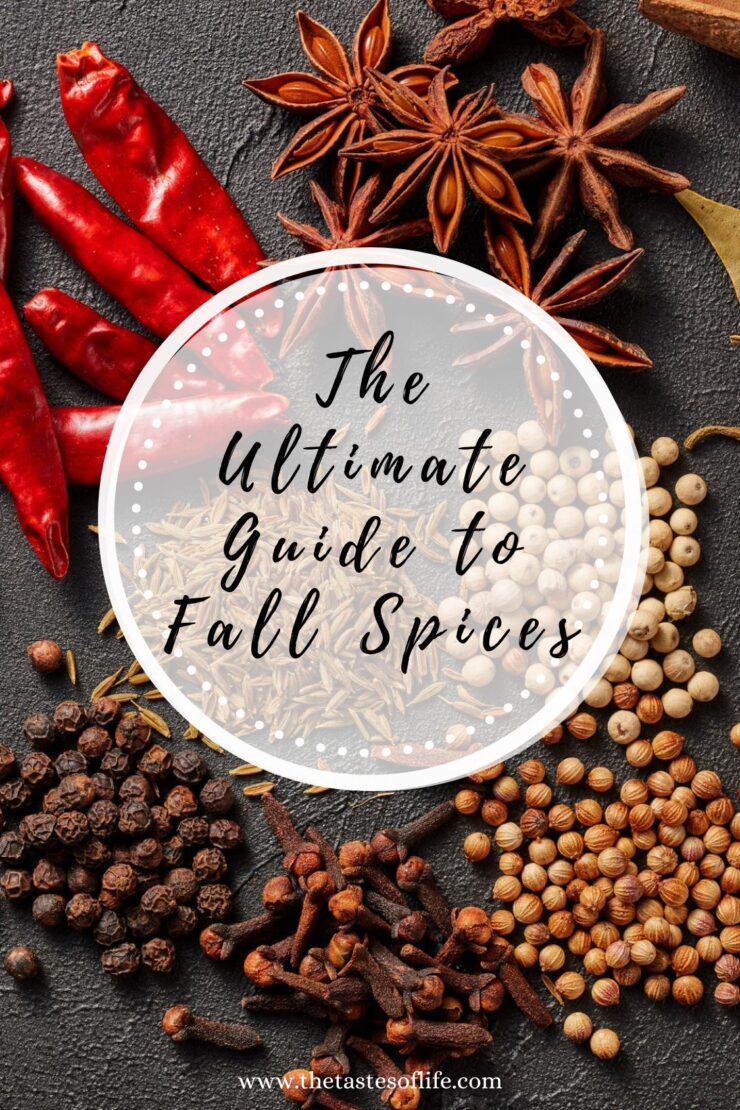
The Ultimate Guide to Fall Spices
As a chef and nutrition consultant, I love spices not only because they make food taste wonderful, but because they allow us to create deeply flavorful dishes without relying on lots of sugar, salt, or heavy sauces. Many culinary spices also contain naturally occurring plant compounds that contribute antioxidant and anti-inflammatory activity.
But honestly, I also love them because they make the kitchen smell ridiculously good. Growing up in Poland, spices were closely connected to baking and holidays.
Fall meant apples, plums, pears, yeast cakes, poppy seed desserts, and the beginning of holiday baking. Cinnamon was everywhere. Ginger appeared in cookies and cakes. Cloves were tucked into apples or added to warm drinks. Nutmeg found its way into creamy dishes and baked goods.
I remember the smell of spices more than I remember specific recipes. That is the funny thing about food memories. You can forget exactly what was on the table, but one little whiff of cinnamon can bring back an entire kitchen.
When I bake now, I still find myself reaching for many of those same spices. I might change the recipe, use less sugar, add whole grains, or make something gluten-free, but those familiar flavors remain. They connect the food I make today with the food I grew up eating.
Why Fall Spices Are So Special
Fall spices tend to be warm, aromatic, earthy, sweet, and sometimes a little spicy. They pair beautifully with seasonal ingredients such as apples, pears, pumpkins, winter squash, sweet potatoes, cranberries, nuts, chocolate, and maple.
They can also completely change the personality of a dish. A roasted sweet potato is delicious on its own. Add cinnamon and a pinch of nutmeg, and suddenly it feels like fall. Apple slices cooked with butter are lovely. Add cinnamon, ginger, and cloves, and now your kitchen smells like someone has been baking all afternoon.
That is the magic of spices.
Here are some of my favorite fall spices and how I use them.
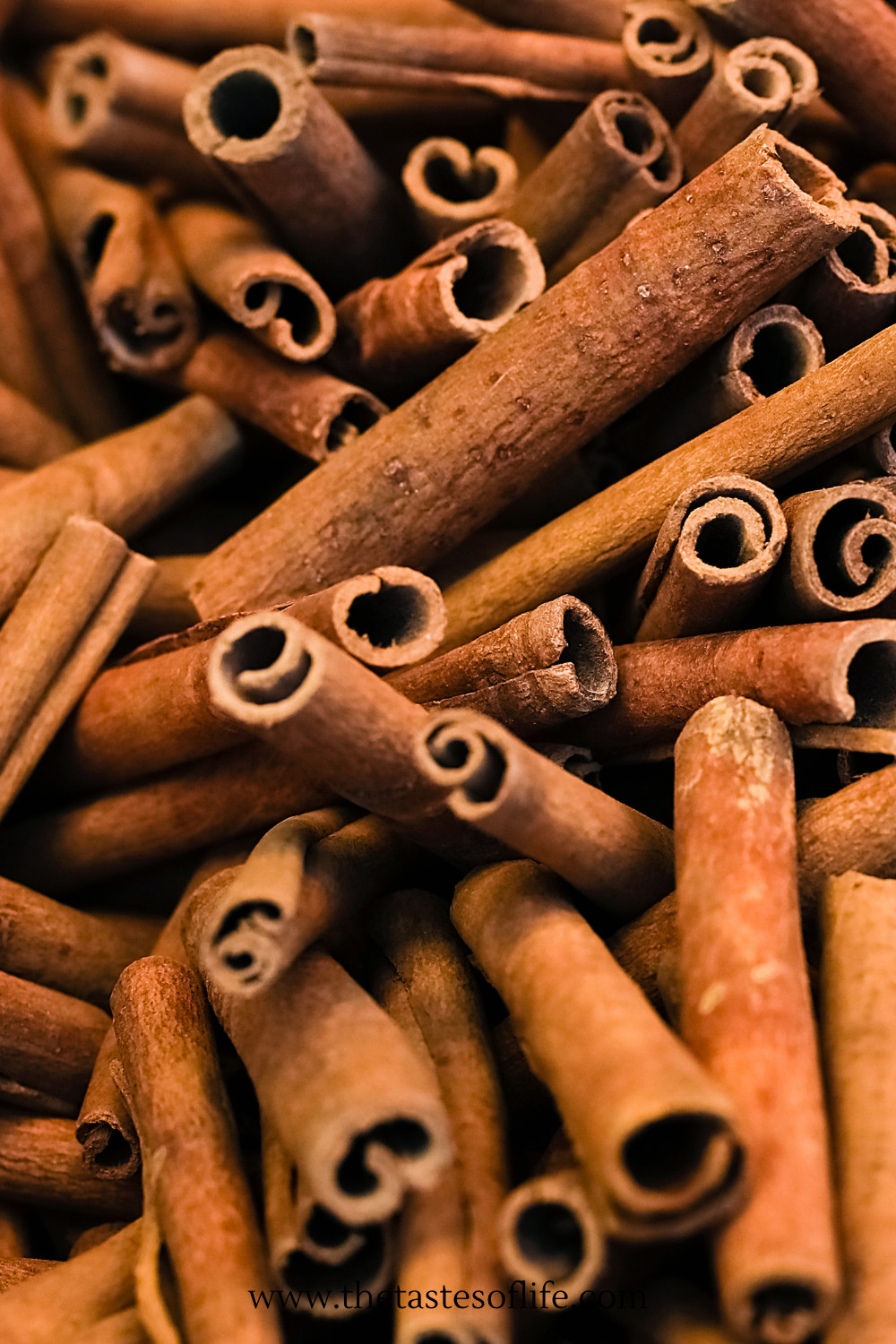
Cinnamon
If fall had a signature spice, cinnamon would probably win. Cinnamon is sweet, woody, warm, and aromatic. It can make a dish taste sweeter even when you have not added much sugar, which is one reason I love using it in healthier baking.
What cinnamon brings to a dish
Cinnamon works beautifully with:
- Apples and pears
- Pumpkin and winter squash
- Sweet potatoes
- Oatmeal
- Nuts
- Chocolate
- Coffee
- Maple
- Carrots
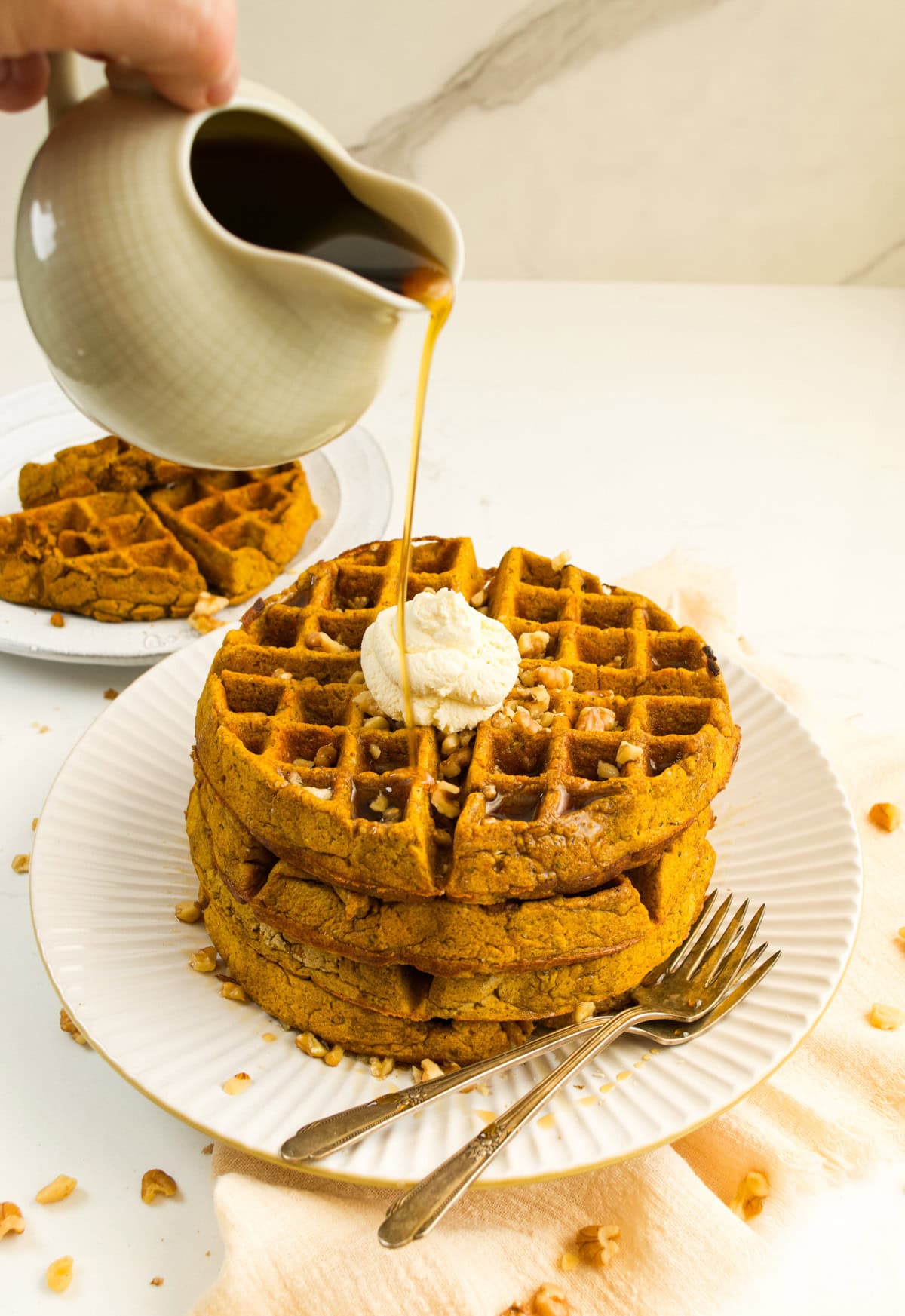
I use it in everything from apple bread, pumpkin bread, pumpkin muffins, pumpkin waffles to roasted butternut squash, soups and cozy breakfast bowls.
Health benefits of cinnamon
Cinnamon is great for blood sugar regulation and insulin sensitivity; that is why it is added to baking. It contains polyphenolic plant compounds and antioxidant compounds. Research has also explored cinnamon’s potential role in blood sugar metabolism and insulin sensitivity.
I think of cinnamon as a flavorful addition to an overall nourishing diet, not a magic ingredient. A spice can be wonderful for you, but it cannot turn a cinnamon roll into a health food. Sadly, cinnamon has its limits.
Ginger
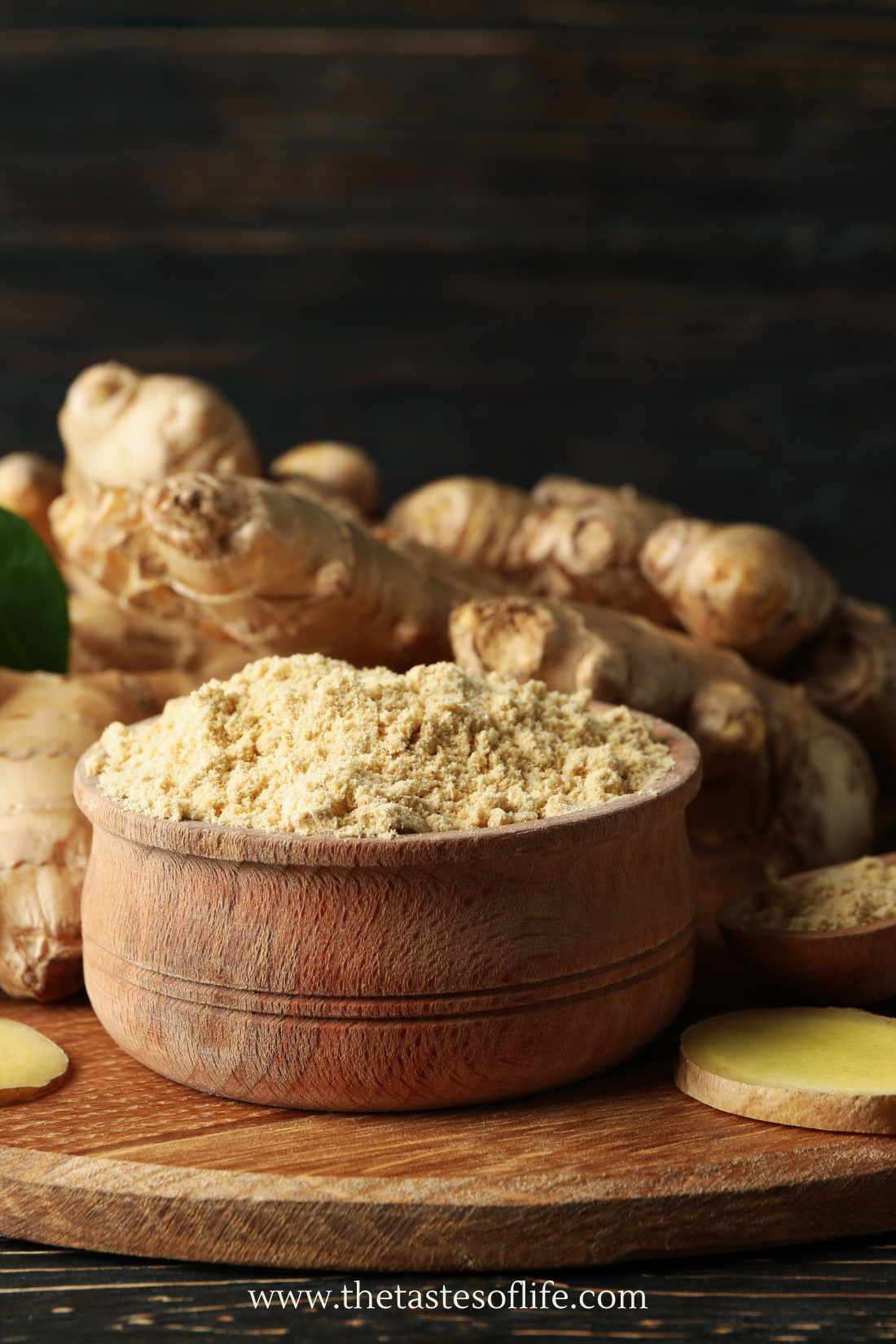
Ginger brings a completely different personality to fall cooking. It is warm, spicy, slightly citrusy, and bright. Fresh ginger has a juicy heat, while dried ginger is warmer and more concentrated. Ginger is one of my favorite ways to keep fall recipes from becoming too heavy. I use it in a sparkling apple cider ginger mocktail, creamy carrot ginger soup, hard apple ginger spritzer, gingerbread cheesecake, or gingerbread waffles.
What ginger brings to a dish
Use ginger with:
- Apples
- Pears
- Pumpkin
- Carrots
- Sweet potatoes
- Citrus
- Chocolate
- Honey
- Maple
- Pears and plums
It is wonderful in gingerbread, cookies, quick breads, soups, marinades, dressings, and warm drinks.
Health benefits of ginger
Ginger contains compounds called gingerols and shogaols. It has been widely studied for digestive comfort and nausea, and it also has antioxidant and anti-inflammatory properties. Fresh ginger also adds a little brightness to rich fall dishes, a culinary benefit all its own.
Cardamom
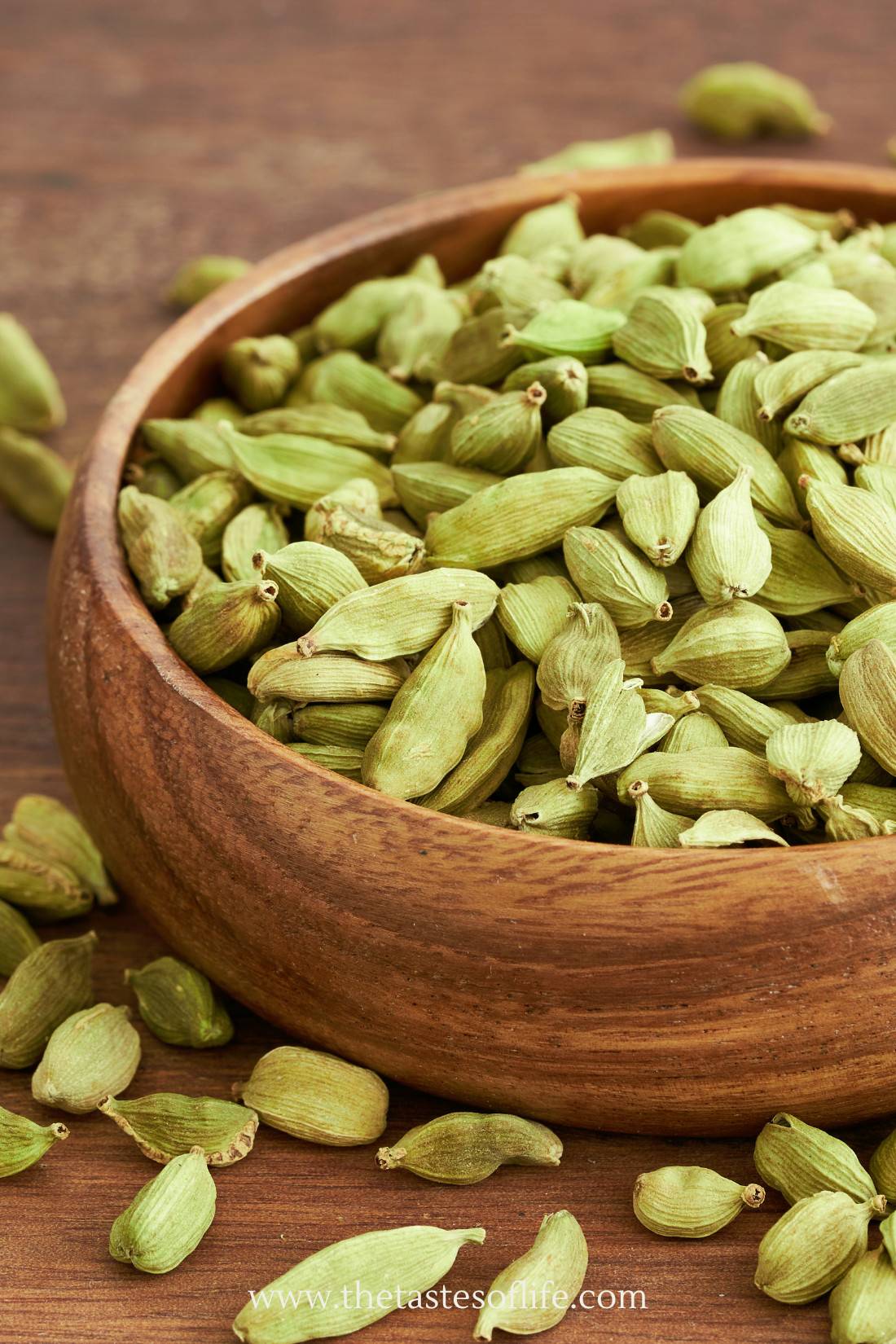
Cardamom is one of those spices that can completely change the personality of a dish. It is floral, citrusy, slightly sweet, warm, and a little peppery. Just a small amount can make a simple recipe taste much more interesting. I especially love it in fall baking, where it pairs beautifully with apples, pears, orange, chocolate, almonds, and pistachios. I use it in Vegan Pumpkin Apple Yogurt Parfait, paleo apple almond muffins, gluten-free apple galette, and German gingerbread spice mix.
What cardamom brings to a dish
Cardamom is wonderful in:
- Cakes and cookies
- Sweet breads and pastries
- Apple and pear desserts
- Rice pudding
- Oatmeal
- Coffee and tea
- Hot chocolate
- Curries and savory dishes
Health benefits of cardamom
Cardamom contains antioxidant plant compounds and has traditionally been used to support digestion. Some research has also explored its potential benefits for cardiovascular and metabolic health. Culinary amounts are a simple way to enjoy its aromatic compounds while adding wonderful flavor to your food.
Nutmeg
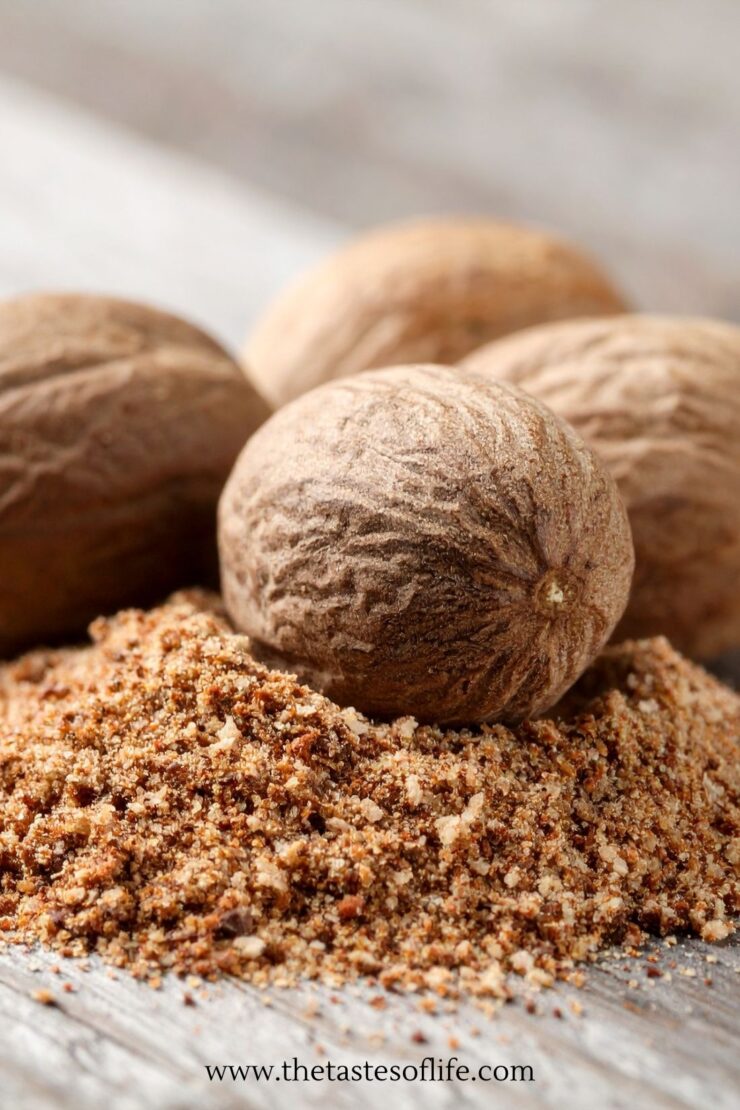
Nutmeg is one of those spices that can disappear into a dish when you use it correctly, but you notice immediately when it is missing. It is warm, slightly sweet, nutty, and earthy. Freshly grated nutmeg is particularly beautiful. If you have never grated whole nutmeg over a creamy soup or warm dessert, put it on your fall cooking list. I use it in gluten-free carrot cake and Eggnog Pistachio Cranberry Truffles.
What nutmeg brings to a dish
Nutmeg is wonderful in:
- Pumpkin pie
- Custards
- Cream sauces
- Mashed potatoes
- Sweet potatoes
- Squash
- Egg dishes
- Rice pudding
- Hot drinks
It is especially good with dairy and creamy foods.
Health benefits of nutmeg
Nutmeg contains aromatic compounds and antioxidants. It has traditionally been used in various culinary and herbal traditions for digestive purposes.
The important word here is culinary. Nutmeg is powerful, so a little goes a long way. It is not a spice to consume in large quantities.
Cloves
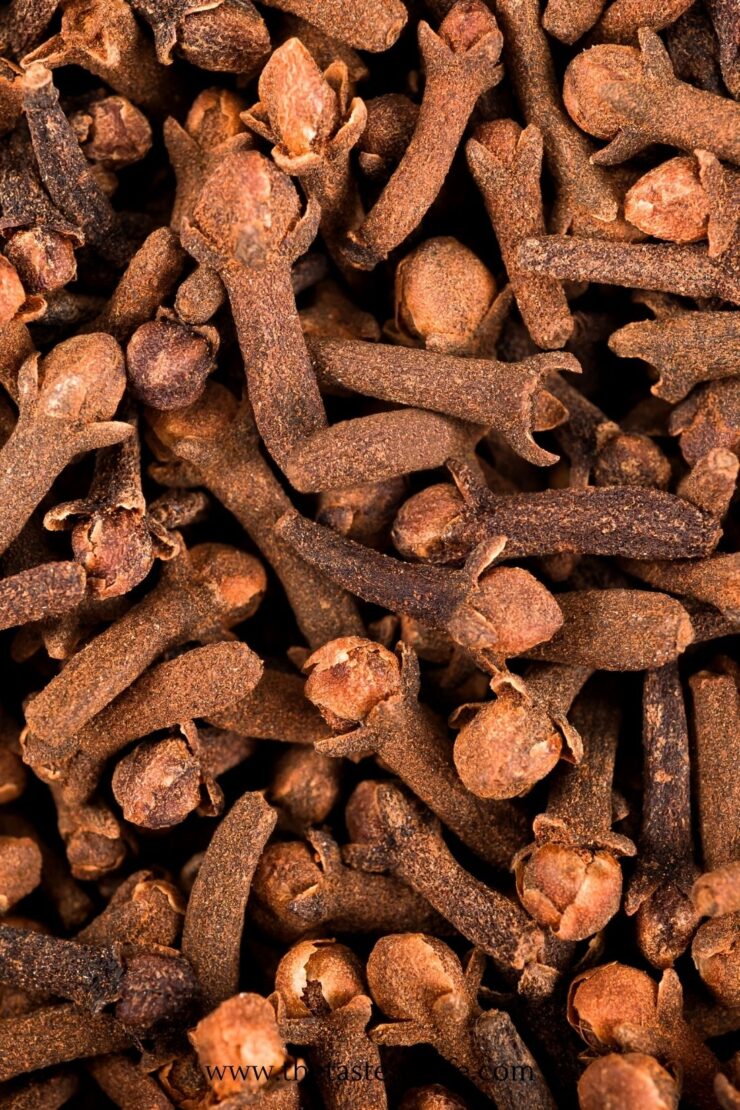
Cloves are tiny but mighty. They have an intense, warm, sweet, almost peppery flavor with a slight bitterness. They can make a dish taste instantly festive. For me, cloves are especially nostalgic because they remind me of Polish holiday baking and winter drinks. I use them in red wine-poached pears and gluten-free molasses cookies.
Want to save this recipe?
What cloves bring to a dish
Try cloves with:
- Apples
- Pears
- Oranges
- Cranberries
- Ginger
- Cinnamon
- Mulled cider
- Gingerbread
- Braised meats
- Sauces and chutneys
I love adding a few whole cloves to simmering apple cider or a pot of spiced fruit.
Health benefits of cloves
Cloves are especially rich in the plant compound eugenol, which has antioxidant properties. Cloves have also traditionally been used for oral and digestive health.
Because their flavor is so intense, you generally need only a tiny amount.
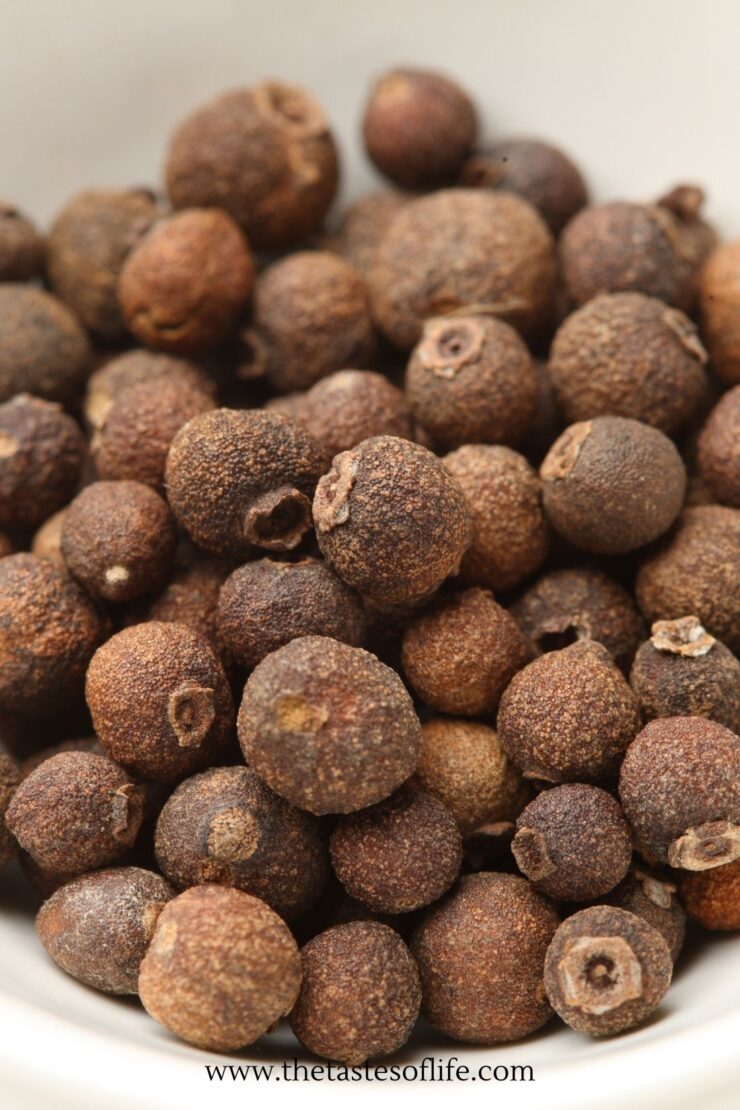
Allspice
Despite its name, allspice is not a mixture of several spices. It comes from the dried berry of the Pimenta dioica tree. The name makes sense once you taste it. Allspice has notes that remind you of cinnamon, cloves, and nutmeg all at once. It is one of those spices that can make people wonder, “What did you put in this?”
What allspice brings to a dish
Use allspice in:
- Apple desserts
- Pumpkin recipes
- Gingerbread
- Meat marinades
- Braised dishes
- Stews
- Cranberry sauces
- Chutneys
It is also an important flavor in many Caribbean and Middle Eastern-inspired dishes.
Health benefits of allspice
Allspice contains antioxidants and aromatic compounds, including eugenol. Traditionally, it has been used to support digestion.
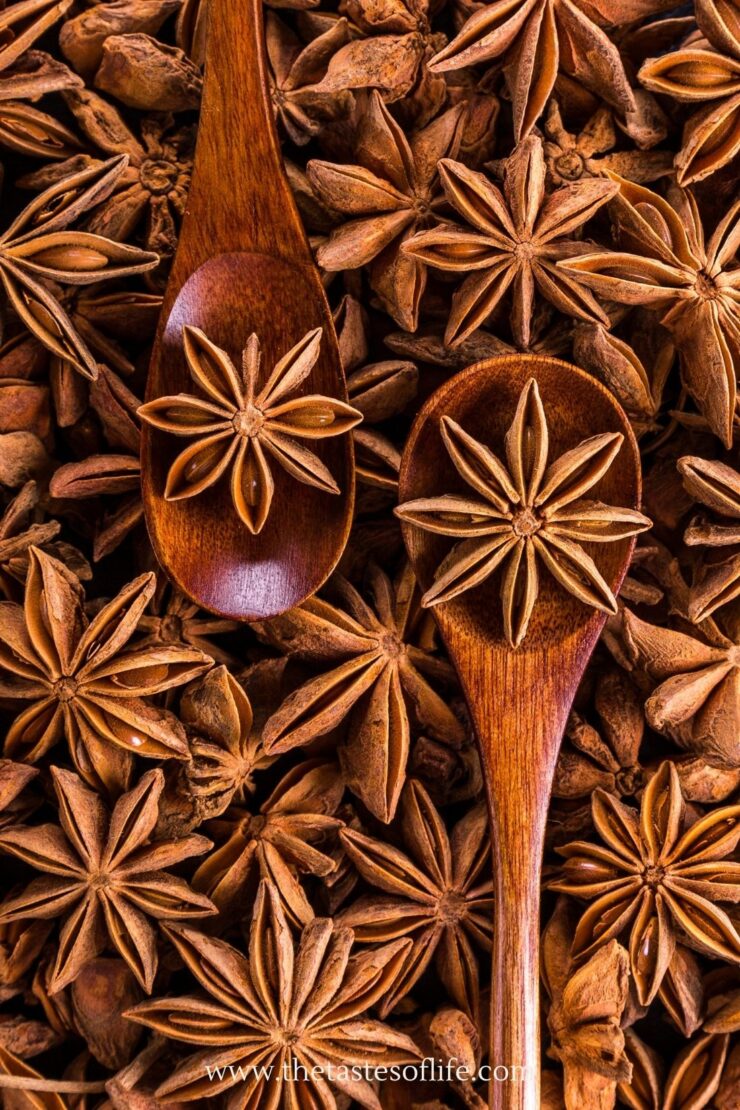
Star Anise
Star anise is one of the most beautiful fall spices. It has a strong licorice-like flavor with sweet, warm notes. And those little star-shaped pods make even a simple pot of simmering cider look beautiful. I use it in pomegranate immune-boosting winter tea, slow cooker apple cider, and Grzaniec Polish Mulled Wine.
What star anise brings to a dish
Use it with:
- Apples
- Pears
- Plums
- Citrus
- Cranberries
- Broths
- Braised dishes
- Mulled drinks
I especially like combining star anise with cinnamon, orange peel, and ginger.
Health benefits of star anise
Star anise contains aromatic compounds and antioxidants. It has a long history of use in traditional culinary and herbal practices.
Make sure you use culinary Chinese star anise from a reputable source, as other species can be unsafe.
My Favorite Fall Spice Combinations
You don’t always need a complicated spice blend. Sometimes two or three spices are enough.
Here are some combinations I use often:
Classic fall: cinnamon + nutmeg + ginger
Warm and spicy: cinnamon + cloves + ginger
Apple and pear: cinnamon + cardamom + ginger
Cozy chai-inspired: cinnamon + cardamom + ginger + cloves + black pepper
Savory squash: cinnamon + cumin + black pepper
Holiday baking: cinnamon + cloves + nutmeg + allspice
Citrusy and warm: ginger + cardamom + cinnamon + orange zest
The key is balance. You want the spices to support the ingredients, not overwhelm them.
How to Get More Flavor From Your Spices
One of my favorite chef tricks is blooming spices.
Instead of simply adding ground spices at the end, gently warm them in fat, such as olive oil, butter, or ghee, before adding the rest of your ingredients. This helps release their aromatic compounds and gives the finished dish a deeper flavor.
You can also toast whole spices briefly in a dry skillet before grinding or adding them to a dish.
And if your spice cabinet has been sitting untouched since approximately the Obama administration, it may be time for a little clean-out.
Spices don’t necessarily become dangerous when they are old, but they gradually lose their aroma and flavor.
If you open a jar of cinnamon and smell… absolutely nothing, it has probably retired.
Fall Spices Are About More Than Pumpkin Spice
Pumpkin spice gets all the attention every autumn, but there is an entire world of beautiful spices waiting for you.
Cinnamon, ginger, cloves, nutmeg, allspice, cardamom, star anise, and black pepper can transform simple seasonal ingredients into something memorable.
And that is what I love most about cooking with spices. You don’t need expensive ingredients to make food exciting. A few fragrant spices can turn an ordinary apple into a dessert, a pot of squash into a deeply aromatic soup, or a simple loaf of bread into something that fills the whole house with the smell of fall.
For me, these spices also carry something more personal.
They remind me of home. Of Polish kitchens. Of baking as a child. Of cold afternoons and warm kitchens. Of recipes passed down, adapted, and made my own.
Food has a funny way of doing that.
Sometimes all it takes is a little cinnamon in a warm pan to bring an entire memory back to life.
And honestly, that might be my favorite thing about fall cooking.
Love My Content? Buy Me a Coffee!
Creating these resources for you is my passion, and I love hearing how they’ve helped you on your health journey. If you appreciate my content and want to support my work, you can buy me a coffee to help fuel more tips, recipes, and inspiration. Every little bit means the world to me!