
The Ultimate Spring Grocery Guide (Eat Seasonal, Save Money, Cook Smarter)

In this Ultimate Spring Grocery Guide: Eat Seasonal, Save Money, Cook Smarter, you will learn how to eat seasonally this spring while keeping your grocery bill under control. Learn smart shopping strategies, meal planning tips, and a chef-approved approach to cooking at home so you can eat healthier, save money, and enjoy fresh spring produce without the stress.
The Ultimate Spring Grocery Guide
Spring always feels like a fresh start. The sunlight sticks around longer, the farmers’ markets wake up from their winter nap, and suddenly we’re all craving lighter, brighter foods instead of stews that simmered for eight hours. But let’s be honest: the only thing that hasn’t gotten lighter is the grocery bill nowadays.
As someone who is deeply conscious about what I feed myself and my clients, organic produce, pastured eggs, grass-fed meats, the whole holistic-chef shebang, I feel the pinch too. And even if you’re not buying premium anything, food prices are still climbing faster than your basil plant in July. So let’s talk about how to eat well, eat with the seasons, and shop like someone who refuses to sacrifice the quality of food you buy.
Why Home Cooking Saves Your Budget (and Your Health)
Home-cooked meals are basically the unsung heroes of both health and financial sanity. When you cook at home:
- You control everything: the ingredients, the oils, the seasonings, the portions. No mystery seed oils sneaking in.
- You pay for food, not overhead: A $17 salad at a café is delicious, sure, but you’re paying for the rent and other costs.
- You cut down on waste: Restaurants toss more scraps than you’d ever believe. At home, you can turn carrot tops into pesto and stale bread into croutons like a magician.
Cooking doesn’t have to be fancy or Instagram-worthy. Simple, seasonal, repetitive meals will give you better health results than any expensive supplement aisle haul.
Meal Prep
Meal prepping is another budget-saving superpower that most people underestimate. You are saving time, craving, and extra pounds. As a chef, I can tell you that prepping even just your proteins, a pot of grains, chopped veggies, or a couple of sauces makes your whole week flow more smoothly. You buy exactly what you need, you use what you buy, and you make every ingredient stretch with intention. Plus, when your fridge is stocked with ready-to-go components, you cook at home more, which is the healthiest, most budget-friendly move you can make in this economy. It’s meal prep, but with a side of peace of mind.
Keep your pantry stocked
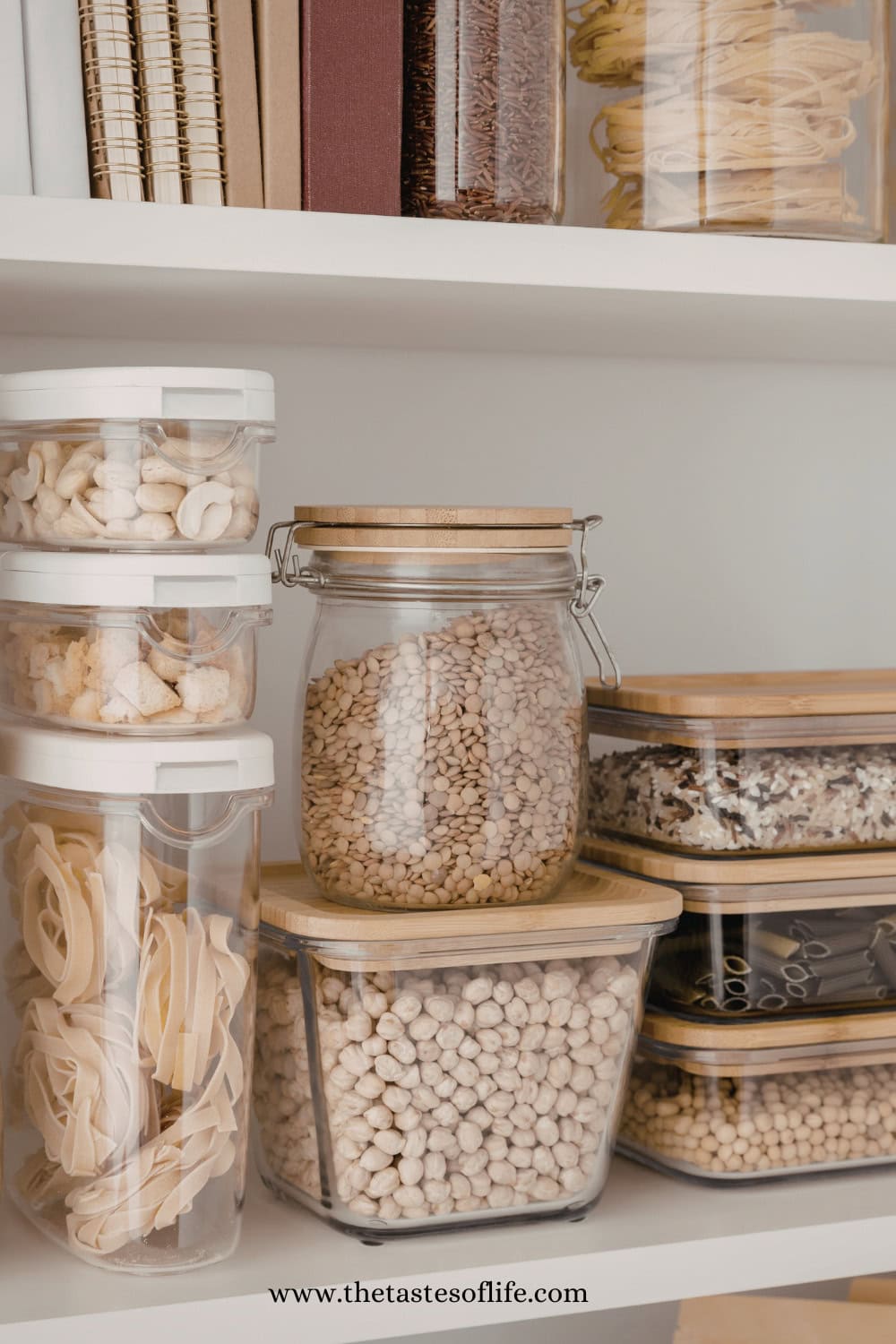
Keeping a well-stocked pantry is like having a secret weapon against overpriced grocery runs and midweek chaos. When you’ve got the basics on hand: good oils, vinegars, spices, broths, grains, beans, canned tomatoes, condiments, you can turn almost anything into a meal without running to the store for “just one thing” that somehow becomes $60 (trust me, that happens more often when you think). A solid pantry lets you shop smarter, buy fresh only when you need it, and stretch seasonal produce into full, satisfying dishes. It also gives you the freedom to cook creatively, because you always have the foundations ready to go.
Build a Seasonal Food Plan: The Spring Edition
Think of a seasonal food plan as your North Star, which keeps you focused, organized, and less likely to roam the grocery store like a hungry raccoon, grabbing anything shiny. Read more about how to nourish your body during spring here or build your spring menu here.
Here’s how to build it:
1. Pick Your Core Spring Produce
These are the foods spring gives us most abundantly, which means they’re fresher, tastier, and often cheaper:
- Asparagus
- Radishes
- Peas
- Spinach
- Arugula
- Green onions
- Fresh herbs (dill, parsley, chives, mint)
- Strawberries
- Rhubarb
- Spring carrots
- Baby potatoes
- Leeks
Seasonal = abundant = affordable. It’s nature’s version of a coupon.
2. Choose Your Weekly Proteins
Pasture-raised and grass-fed can be pricey, but there are ways to save:
- Look for bulk packs (buying a large pack of chicken thighs and freezing portions saves real money).
- Try cheaper cuts of chicken thighs over breasts, ground meats, stew cuts instead of ribeye.
- Shop local farms if you can. Their prices often beat the grocery store, especially when you buy directly.
3. Create a Weekly Rotation
Rotate your veggie + protein combos so you’re not starting from scratch every day:
- Asparagus + salmon
- Spinach + eggs
- Radishes + chicken thighs
- Spring peas + turkey meatballs
- Leeks + potato soup
- Rhubarb + yogurt desserts
A rotation keeps things interesting but predictable; your wallet loves predictable.
4. Plan “Flex Meals”
These are meals that fit whatever produce is discounted that week:
- Stir-fries
- Frittatas
- Grain bowls
- Soups
- Pasta with whatever looks good
Improvisational, budget-friendly, and always satisfying.
Spring Foods That Support Your Body (and Your Budget)
Spring foods naturally help your body shift out of winter mode, think lighter digestion, more hydration, and plenty of minerals.
- Greens (spinach, arugula, lettuce): great for digestion and liver support.
- Asparagus: natural diuretic, helps reduce inflammation.
- Radishes: good for the liver and metabolism.
- Herbs: nutrient-dense flavor boosters that stretch every dish.
- Strawberries: the actual taste of spring, no added sugar needed.
- Rhubarb: tangy, vibrant, and incredible in both sweet and savory.
- Spring onions & leeks: gentle on digestion, full of flavor.
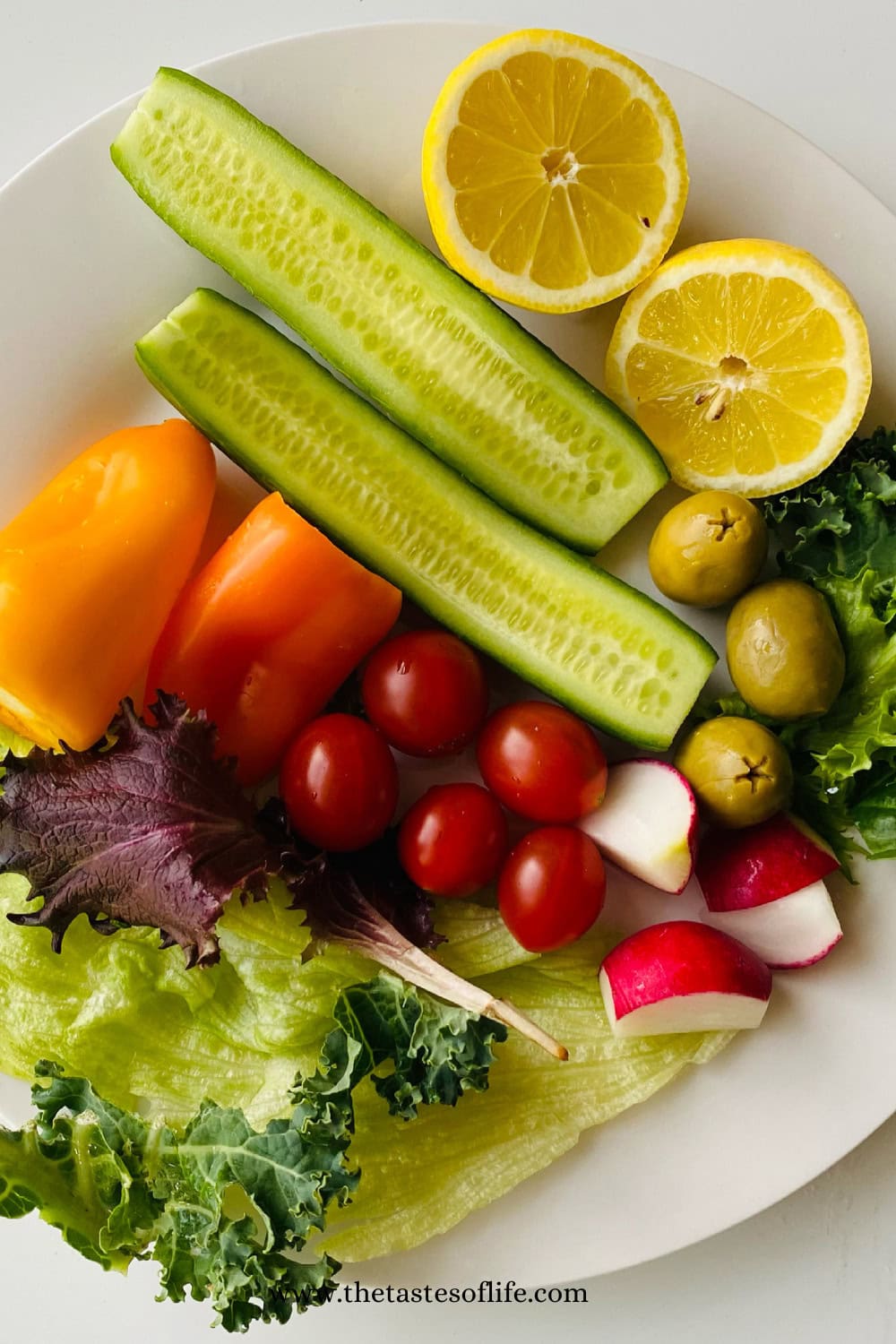
Your springplate should look fresh, green, crisp, and lively, a reminder that food (and life) isn’t meant to be heavy all year.
How to Shop Smarter (So You Don’t Need a Financial Advisor for Whole Foods)
Buy seasonal first: Seasonal produce is not only cheaper but higher in nutrients. It hasn’t traveled across the world or sat in storage for months.
Shop around the perimeter: The most nutrient-dense foods live there. The expensive distractions? Always in the center aisles.
Want to save this recipe?
Frozen is not a downgrade: Frozen fruit and veggies are picked at peak ripeness and are often half the price. You’re still a kitchen goddess if you use frozen berries.
Buy in bulk (selectively): Things like rice, oats, quinoa, nuts, spices, and flours are dramatically cheaper this way.
Choose flexible recipes: A recipe that demands 14 specialty ingredients is not your friend right now. Choose meals with interchangeable parts.
Don’t shop hungry: Unless you want to come home with mango sorbet, pistachio butter, and a new sense of regret.
Buy store-brand organics: They’re often the same product from the same suppliers as the brand-name ones, just cheaper.
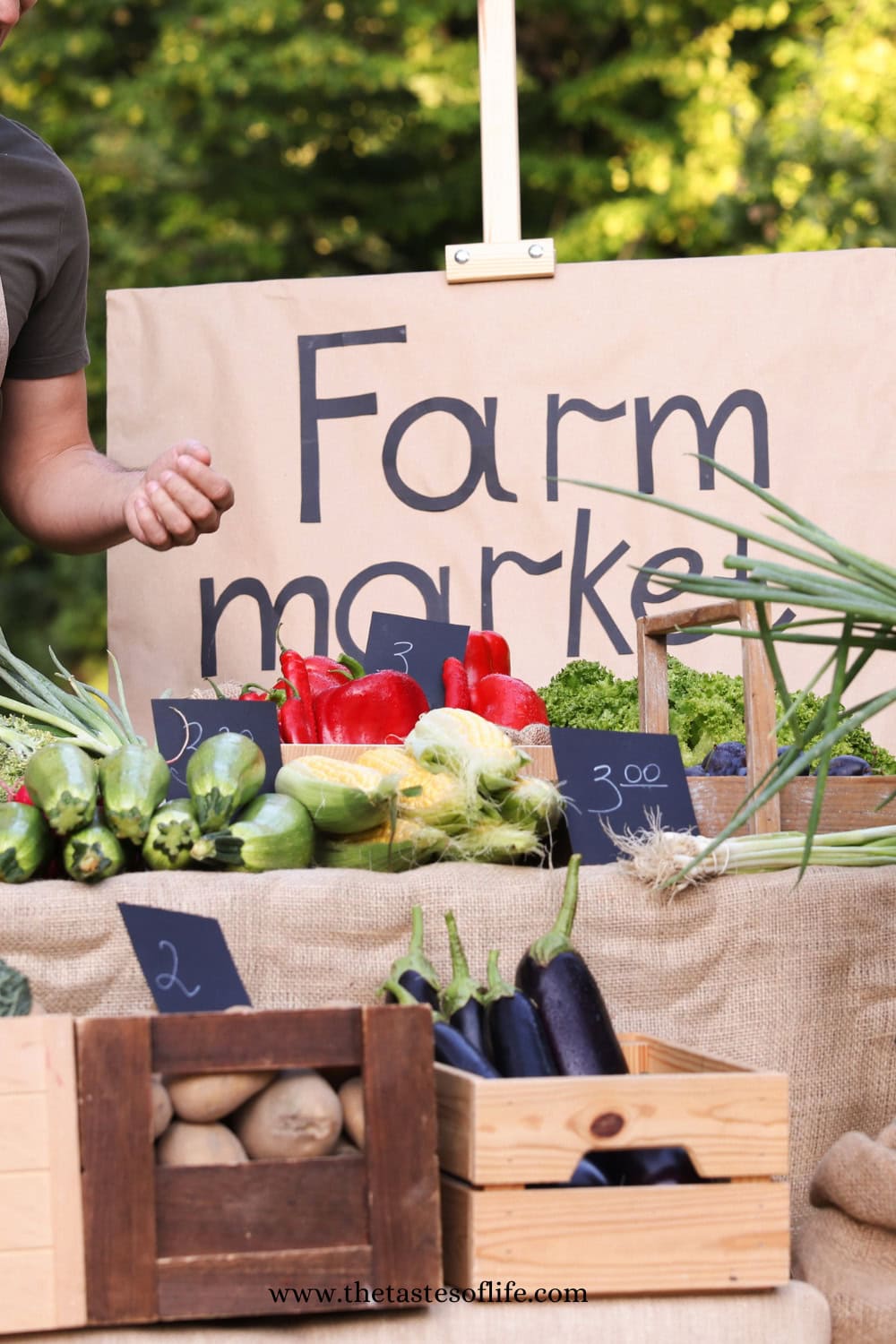
Go to farmers’ markets near closing time: Farmers discount like crazy because they don’t want to haul everything back.
A Smart Grocery Shopping Plan (from someone who has fully made peace with carrying three reusable bags everywhere)
Create a real grocery list, and commit to it.
Keep an ongoing list throughout the week of items you’re running low on. When it’s time for your weekly shop, that list becomes your guide. Don’t let “ooh that looks good!” trick you into adding random things unless they fit the plan.
Shop your pantry first.
Start by building meals around what you already own. Beans, grains, canned tomatoes, frozen veggies, these things are gold. They stretch meals, add nutrition, and reduce waste.
Shop the sales like it’s your side hustle.
Stores, even Whole Foods, run great weekly sales. The 365 brand alone can cut your total significantly while still keeping quality high. I always check store apps before shopping; digital coupons, app discounts, and reward point bonuses add up fast. Paper coupons still exist too, and sometimes they show up in the mail like little money-saving gifts.
Use technology to your advantage.
Price-check multiple brands using the price-per-ounce label. Use the store app to see what’s on sale before you go. And when in doubt, use grocery pickup; it keeps you out of the aisles, away from impulse buys, and glued to your budget.
Set a budget and shop full, not hungry.
Decide what you’re willing to spend before you go. And please, for the love of all things basil, don’t shop hungry. Hunger makes everything look like a great idea… until you get home with artisanal crackers you didn’t need.
Stock your pantry with flavor lifelines.
Seasonings, spices, good oils, vinegars, and sauces are investments. They turn basic, inexpensive ingredients into meals you actually want to eat. A well-stocked pantry means you’re never stuck with boring food, and you’re less likely to buy random overpriced sauces.
Explore different grocery stores.
Oriental markets, Eastern European shops, and Mexican markets often have unbeatable prices on produce, spices, fermented foods, bulk items, and specialty ingredients. It’s not only cheaper, but it’s also inspiring.
Cook with intention.
Make vegetable soups and homemade stocks with leftover veggies. Turn scraps into broths. Freeze extra herbs. Batch-cook proteins when they’re on sale. Build meals around the meats that are discounted that week. If something is shelf-stable or freezable, and it’s on sale, grab a few extras for later weeks.
Think like a budget chef.
I (and many of my clients) get snacks based on what’s on sale: fruits, veggies, and inexpensive but clean options. High-quality food doesn’t have to be expensive; it just takes awareness and timing.
And yes, these methods really do work.
Someone recently shared that their total rang up at $378.42, but with app discounts, digital coupons, sales, and rewards, they paid only $167.77. Then grabbed another $50 of essentials at Walmart. That’s real-world, everyday savings just from using the system wisely.
Smart grocery shopping is a skill, and once you practice it, it becomes natural. You eat better, you spend less, and you feel more in control of your kitchen, your budget, and your health.
Recipes
Hormone-Supporting Spring Meals for Women Over 40
Spring Recipes to Reset After Winter
Love My Content? Buy Me a Coffee!
Creating these resources for you is my passion, and I love hearing how they’ve helped you on your health journey. If you appreciate my content and want to support my work, you can buy me a coffee to help fuel more tips, recipes, and inspiration. Every little bit means the world to me!